
Prices
Prices and stock come from each retailer's website. Check with the store before you buy.
More from this distillery: All Akashi (Eigashima) whiskies and prices
About
What it is
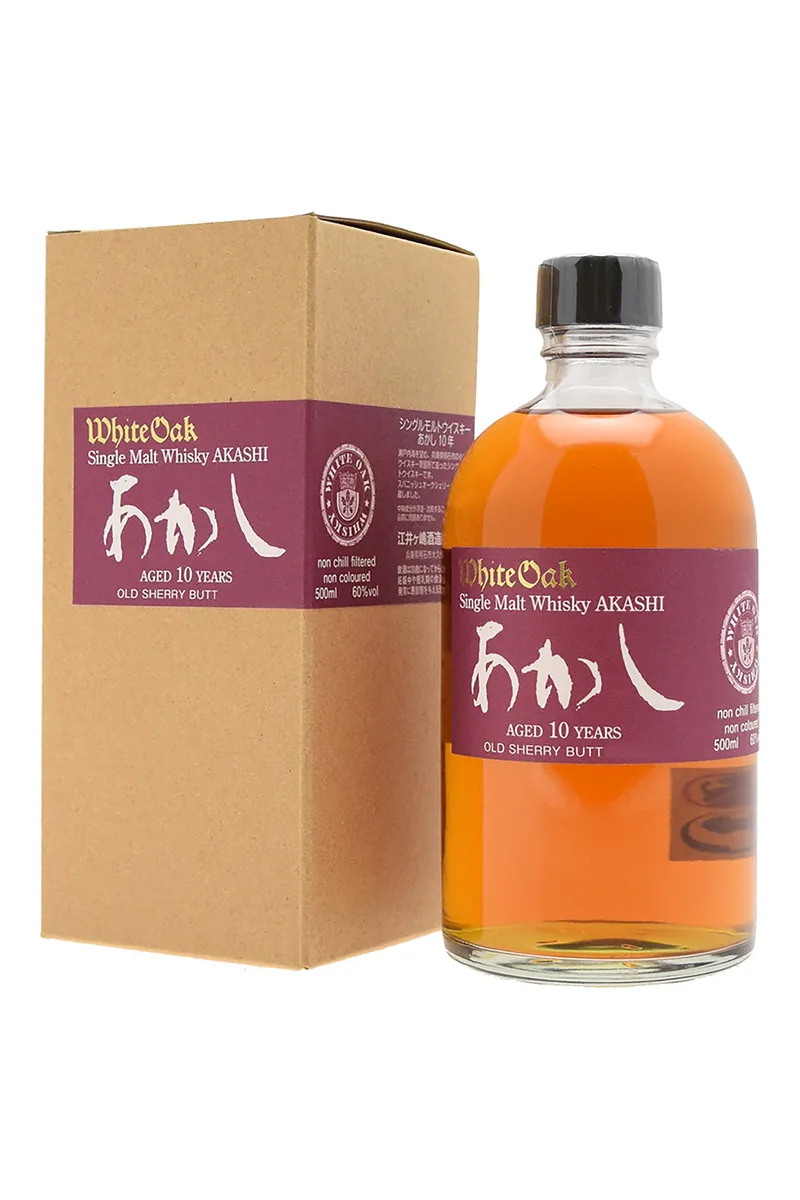
A ten year old single malt from Eigashima in Hyogo, matured in sherry casks and bottled at 60%. It sits at the top of the Akashi single malt range on both age and strength, and it's released in small numbers.
Where it comes from
Eigashima has held a whisky licence since 1919 but only released a single malt in 2007, and it runs whisky production for a short period each year around its sake and shochu work, which is why aged stock is scarce. The malted barley is imported, usually from Scotland, which doesn't affect compliance: the Japan Spirits and Liqueurs Makers Association standard governs where distillation, maturation and bottling happen and requires Japanese water, not Japanese barley.
Eigashima also bottles blends containing whisky it didn't distil, so compliance can't be inherited from the distillery name. We haven't found a producer statement for this specific bottling, and it may predate the 2021 standard, so check the label.
How it's made
Distilled at the small White Oak plant on the Seto Inland Sea coast at Akashi, from lightly peated malt, then a full ten years in sherry wood. Eigashima works at genuinely small scale, and the coastal location with its humid summers pushes maturation along. Bottled at cask strength, undiluted, which is unusual for the range.
What to expect
Dense and sherried. Dried fruit, raisin, dark chocolate and nuts, with the distillery's light smoke buried underneath and a long, drying finish. At 60% it is very hot and genuinely needs water, at which point it opens considerably.
How it compares
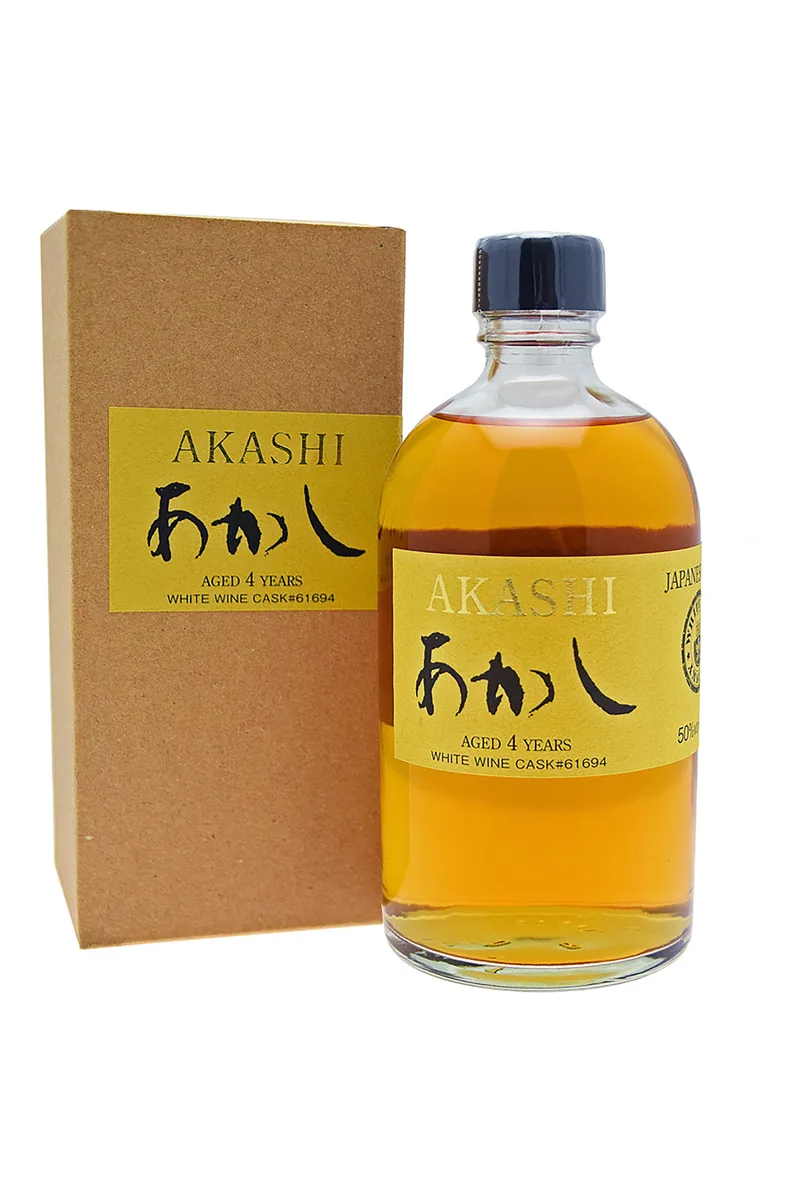
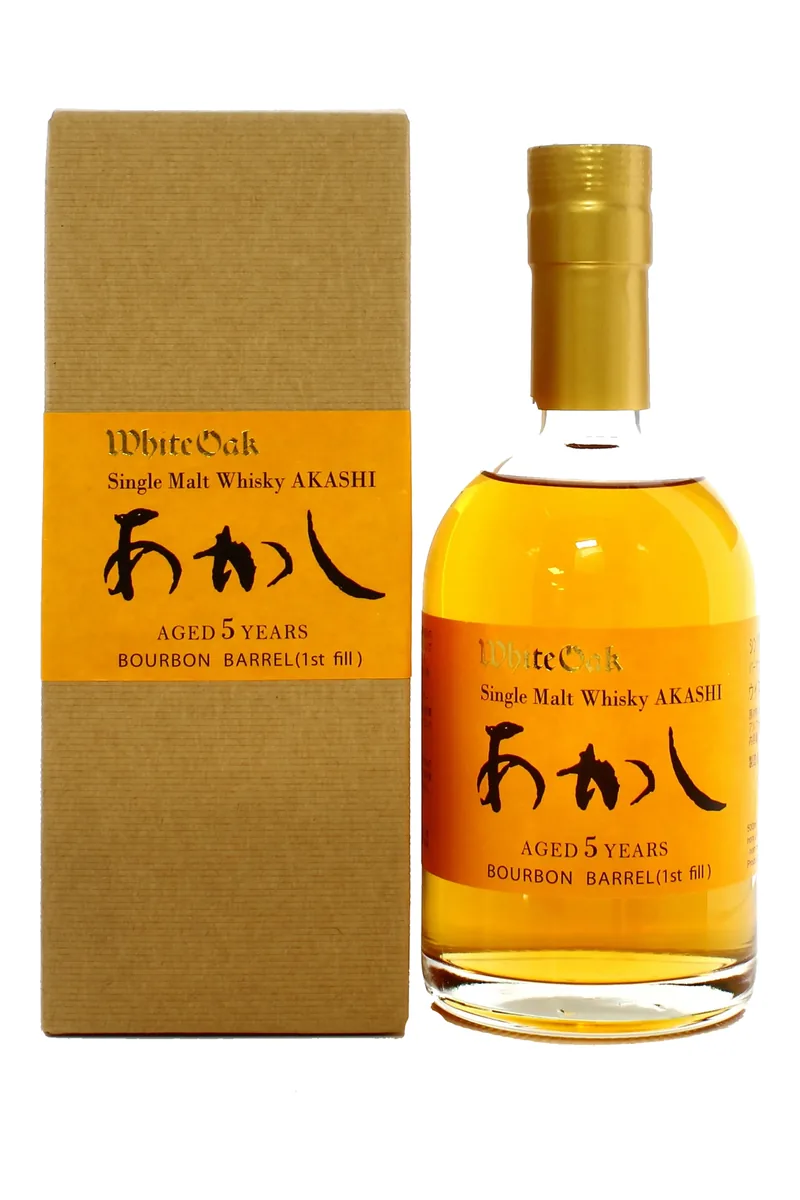
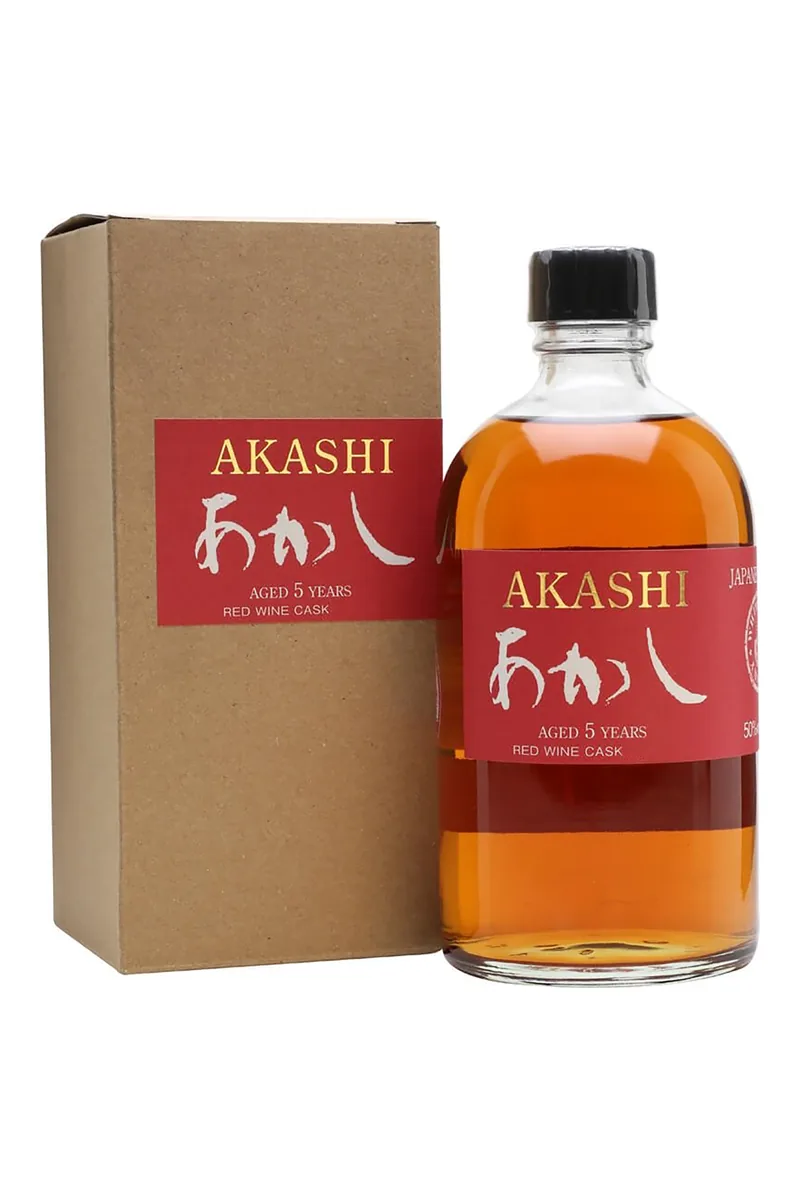
Against the younger Akashi sherry cask releases, the extra years and the cask strength put this in a different bracket. Against the bourbon, wine and sake cask versions, this is the richest and darkest of the family. Against a sherried Scotch at a similar age, the Akashi is more intense and less refined, and priced on scarcity.