

Japanese whisky has gone from a curiosity to one of the most sought after categories in drinks in about twenty years, and the price of it has gone the same way. A lot of what gets written about it is either marketing or mystique. This is the plain version: how it started, how it is made, what the words on the bottle mean, and where to put your money if you are getting into it now.
Every bottle mentioned here links to its page on this site, where you can see what each retailer is charging today and what it has been charging for months before that.
A short history
Whisky reached Japan in the 1850s, when American ships arrived carrying it, and for the next seventy years what the country drank under that name was mostly imported or imitated. The imitations were neutral spirit with flavouring and colouring in them. Nobody was distilling malt whisky.
Two men changed that, and the whole industry still traces back to them.
Masataka Taketsuru was the son of a sake brewing family in Hiroshima. In 1918 his employer sent him to Scotland to learn how whisky was actually made. He studied chemistry at the University of Glasgow and apprenticed at working distilleries in Speyside and Campbeltown, filling notebooks with everything he was shown. He also met and married Jessie Roberta Cowan, known as Rita, and brought her home to Japan in 1920. By then his employer had run out of money for the project.
Shinjiro Torii ran Kotobukiya, a drinks business that had done well selling a sweet fortified wine. He wanted to build a Japanese whisky distillery and he needed someone who had seen one. He hired Taketsuru in 1923 on a ten year contract, and they built Yamazaki on the edge of Kyoto, where three rivers meet and the water was already famous. Distilling started in 1924.
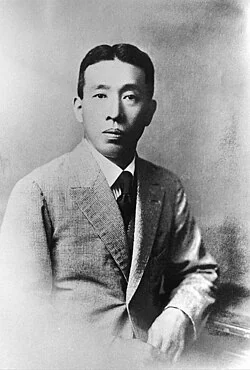
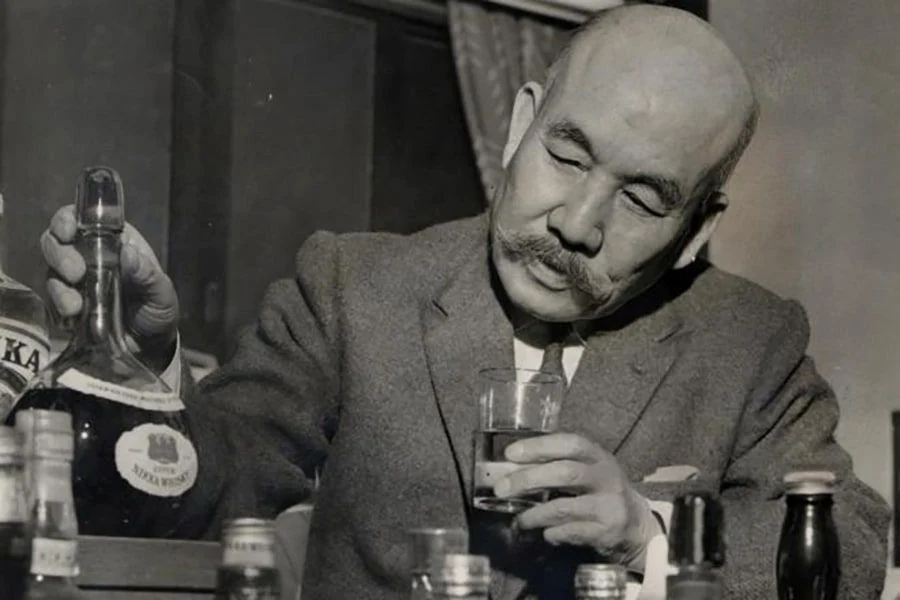
The first release, in 1929, did not go well. It was made the way Taketsuru had learned in Scotland, which meant smoky, and the people it was sold to did not want smoky. Torii wanted to adapt the style to Japanese taste. Taketsuru wanted to make it the way Scotland made it. When the contract ended in 1934 he left, went as far north as he could, and set up at Yoichi on Hokkaido because the climate and the sea air reminded him of Scotland. His company sold apple juice while the whisky matured, which is how Nikka ended up with a name that began as a contraction of the Japanese for fruit juice.
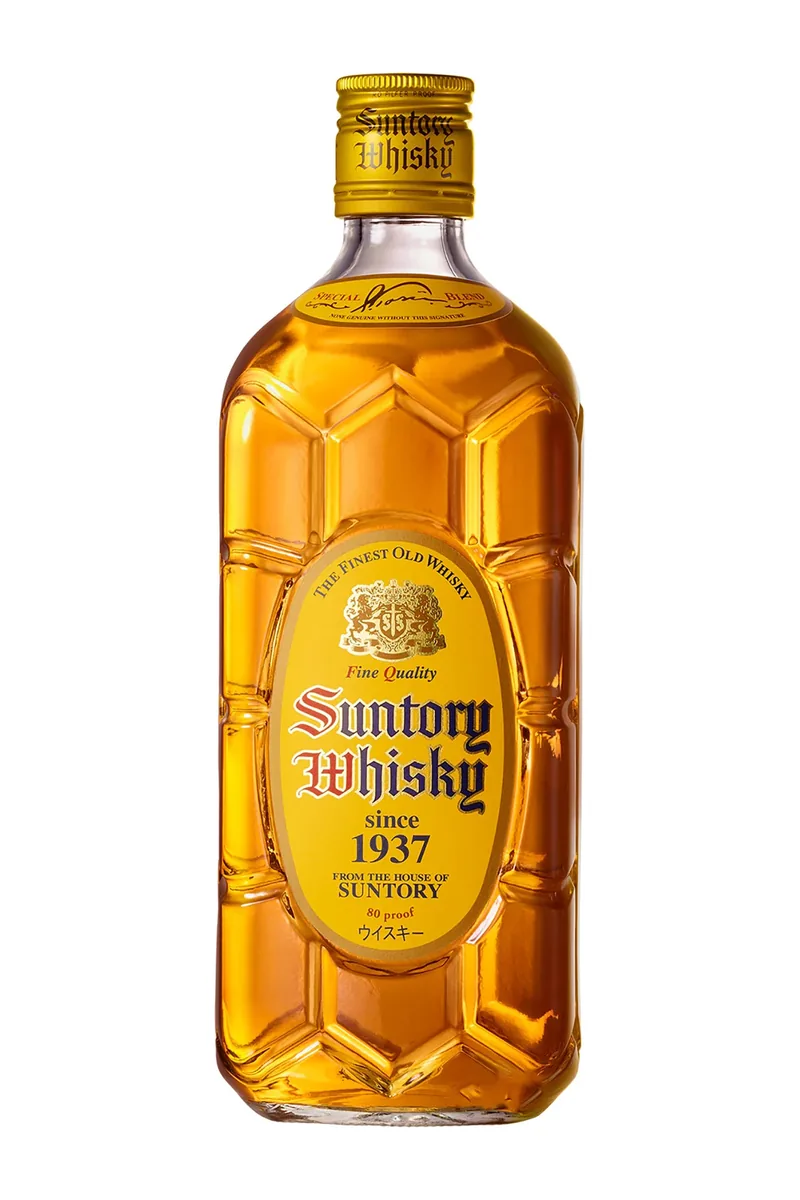
Torii reformulated. Kakubin arrived in 1937, lighter and softer, and it worked. That bottle is still on shelves in Japan today and it is still the backbone of the highball habit.
Boom, then bust
Postwar Japan drank a great deal of whisky. Through the 1970s and into the 1980s it was the default drink of the salaryman and the hostess bar, sales climbed every year, and the industry built for that. Suntory opened Hakushu in 1973. Nikka opened Miyagikyo in 1969. Everyone laid down stock on the assumption that demand would keep going.
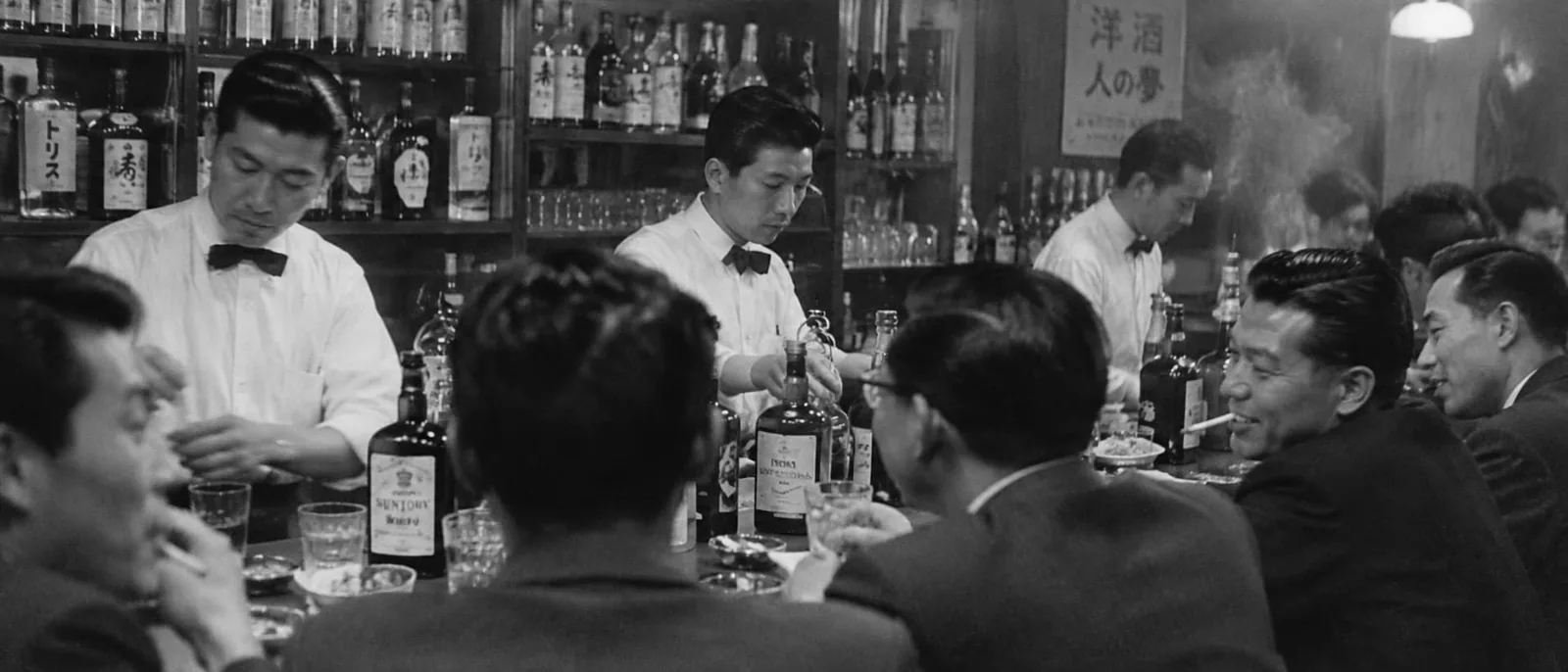
It did not. Shochu took a large bite out of the market, a tax reform in 1989 removed the grading system that had propped up domestic whisky pricing, the economy stalled, and drinking habits moved on. Sales fell for close to two decades. Distilleries were mothballed and some closed outright. Karuizawa shut in 2000 and was eventually dismantled. Hanyu shut the same year. Very little new spirit went into cask through the 1990s, and that is the reason for a lot of what the shelves look like now.
The world notices
In 2001 a Nikka Yoichi ten year old won a blind tasting run by a British whisky magazine, ahead of the Scotch it was up against. In 2003 Yamazaki 12 took a gold medal at the International Spirits Challenge. Awards kept coming, and in 2015 Jim Murray's Whisky Bible named a Yamazaki sherry cask release its world whisky of the year, which was reported everywhere.
The problem was arithmetic. A twelve year old whisky sold in 2015 was distilled in 2003, during the bust, when nobody was filling casks. Global demand arrived for stock that had never been laid down. Prices rose, then rose again, and in 2018 Suntory withdrew Hakushu 12 and Hibiki 17 altogether because it could not keep them going. Age statements came off labels across the category and bottles without them became the norm.
The other consequence was less obvious and worse. With real Japanese whisky scarce and expensive, a lot of things that were not Japanese whisky started being sold as though they were. That is what the labelling section below is about, and it is the most useful thing to understand before you spend money in this category.
The new wave
While the big two were running out of stock, small distilleries started opening. Ichiro Akuto had already shown it was possible: he rescued the last casks from his family's closed Hanyu distillery, released them over a decade as the Card Series, and used that to build Chichibu, which began distilling in 2008. Since about 2016 a few dozen new distilleries have opened, many of them run by sake and shochu makers moving sideways into whisky with centuries of fermentation experience behind them.
Most of that spirit is still young. It is the most interesting part of the category right now and usually the best value in it.
What makes it different
Japanese whisky is made almost exactly the way Scotch is. Malted barley, often imported from Britain and sometimes peated there, mashed and fermented and twice distilled in pot stills, then matured in oak. Taketsuru copied the process deliberately and faithfully. The differences are in what happened after that.
Every style has to be made in house
In Scotland a blender can ring thirty distilleries and buy a cask from each. Japanese producers historically have not traded with each other, so a company that wanted a complex blend had to be able to produce every component itself. That constraint shaped the whole industry.
It is why Yamazaki runs pot stills of several different shapes and sizes side by side, ferments with different yeasts, and peats some of its barley and none of the rest. One distillery is made to behave like a dozen. Nikka does the same thing across two sites that were built as deliberate opposites: coal fired and heavy at Yoichi, steam heated and light at Miyagikyo.
Climate and water
Japan gets hotter summers and colder winters than Scotland, and the swing pushes spirit in and out of the wood harder. Whisky matures faster and the angel's share is larger, so a Japanese ten year old has often had more wood contact than a Scottish one of the same age. Distillery sites were chosen for water as much as anything: Yamazaki sits on water good enough that tea masters were using it centuries before there was a distillery there.
Blending as the main event
In a lot of whisky cultures the blend is the cheap product and the single malt is the serious one. Japan does not really see it that way. Blending is treated as the craft, the blender is the name on the door, and the flagship bottle of the biggest producer in the country is a blend. If you come to Japanese whisky assuming blends are the compromise option, you will skip past most of what is good about it.
Mizunara and the rest of the wood
Most Japanese whisky matures in the same casks everyone else uses: ex bourbon American oak, which gives vanilla and coconut and soft sweetness, and ex sherry European oak, which gives dried fruit and spice and colour. Sherry casks matter more here than in most places, and some of the most expensive Japanese bottles ever sold have been sherry cask releases.
Mizunara
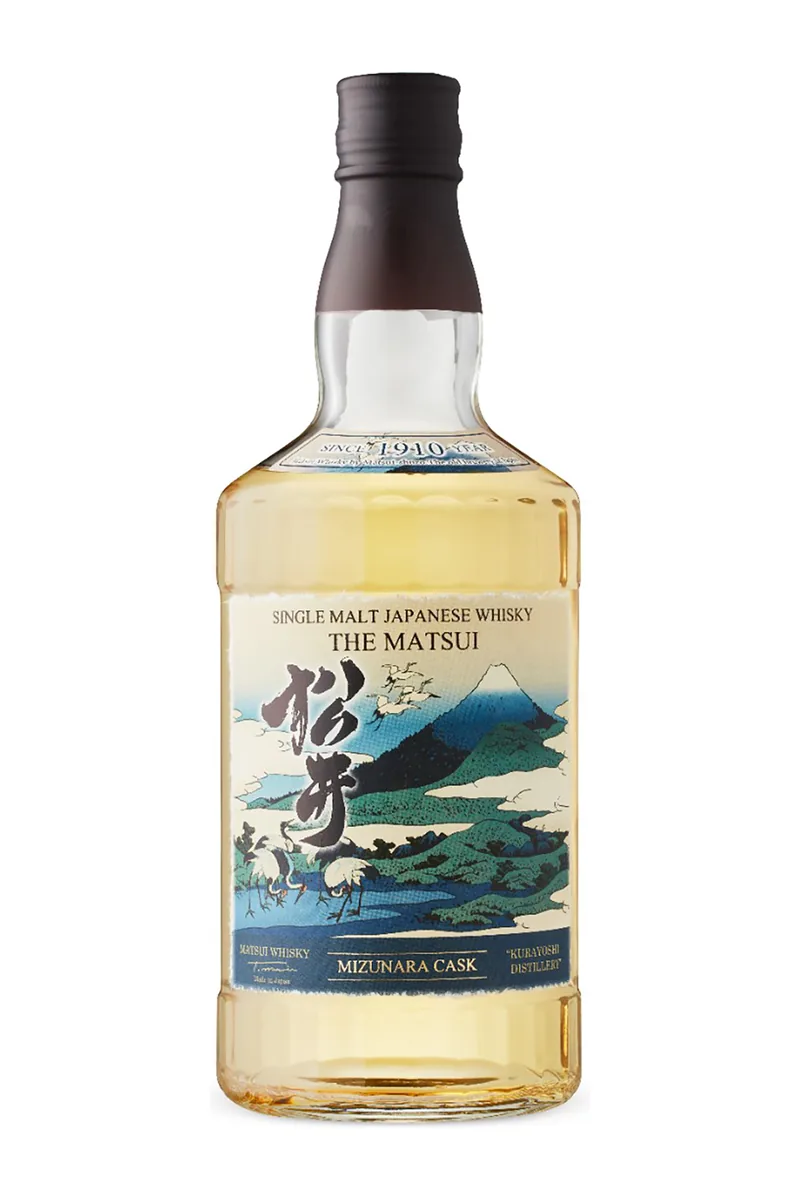
Mizunara is Japanese oak, and it is the one thing in this category with no real equivalent anywhere else. Suntory began using it during the Second World War, not out of ambition but because imported casks had stopped arriving and the whisky had to go into something.
It is a difficult wood. The trees have to be old before there is enough usable timber, the grain is knotty and runs in ways that make it awkward to build a watertight cask from, and the wood is porous enough that the casks leak more than most. It also needs a long time to give anything back. A few years in mizunara does very little. Two decades in mizunara gives a whisky the sandalwood and incense character the wood is famous for, which is why properly mizunara matured whisky is rare and costs what it costs.
Read these labels carefully. Mizunara matured means the whisky spent its life in that wood. Mizunara finished means it spent a few months there at the end, which is a real technique that produces good whisky, but it is not the same thing and should not cost the same.
Everything else
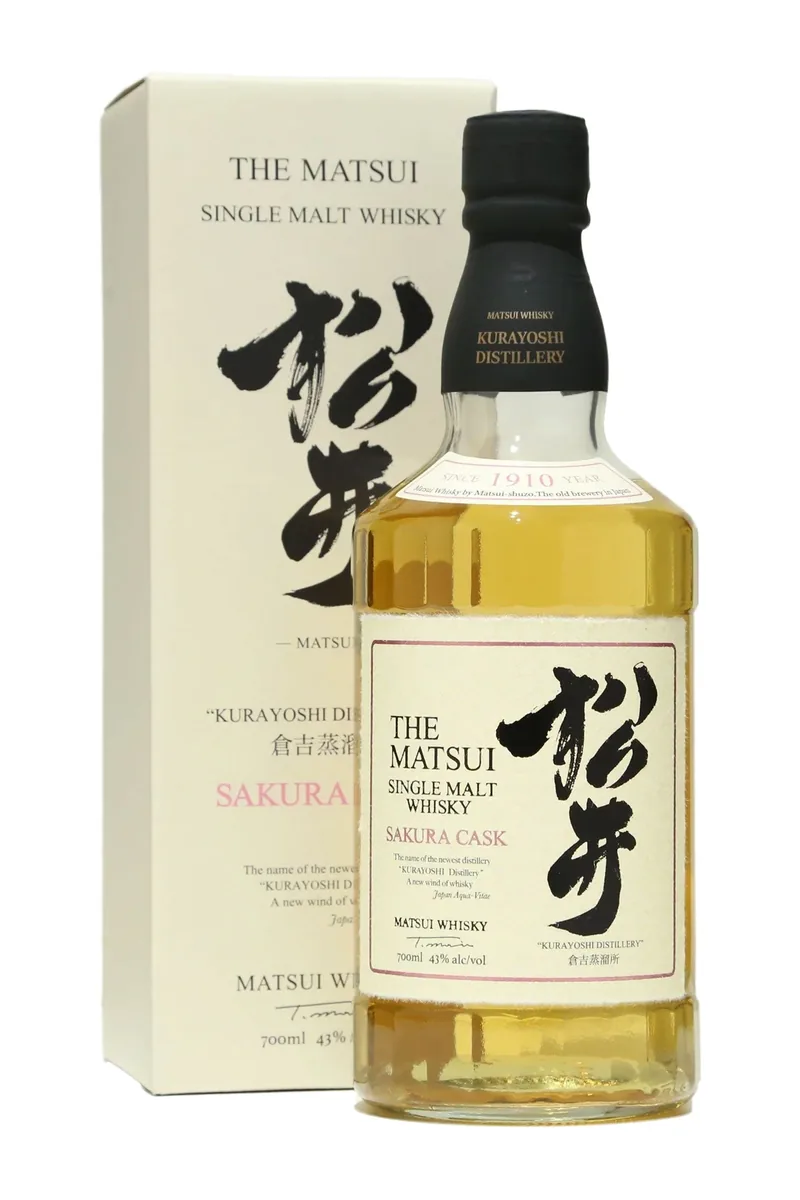
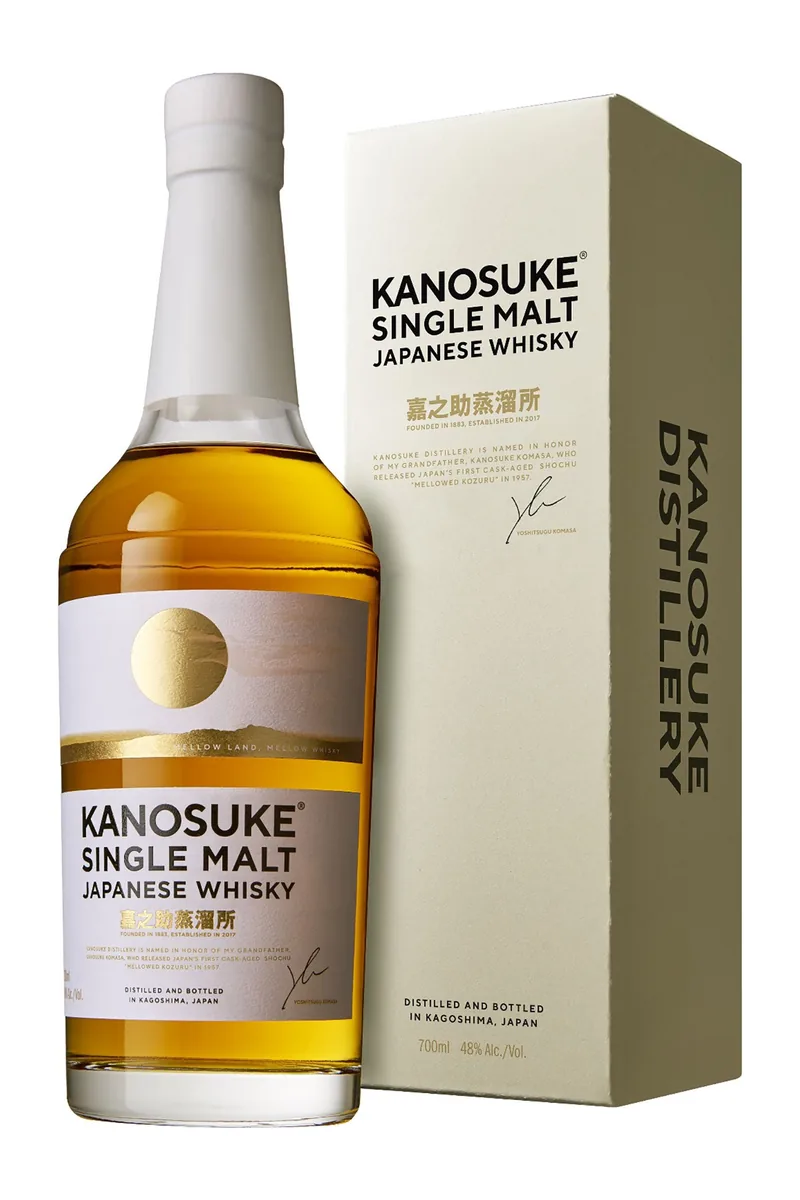
Japanese distilleries have casks available that nobody else does. Ex shochu casks at Kanosuke, plum wine and sake casks, and cherry wood, which is not oak at all and is used for finishing rather than full maturation. Some of this is genuine local character and some of it is a young distillery looking for a way to make three year old spirit taste like something. Both are worth trying at the right price.
Bottles on the site that show what the wood does. Prices are the lowest we found today across the retailers we check.
The types you will see on a label
The words on the front of a Japanese bottle mean the same things they mean on a Scottish one, with one addition. Here they are in roughly the order you will meet them.
Single malt
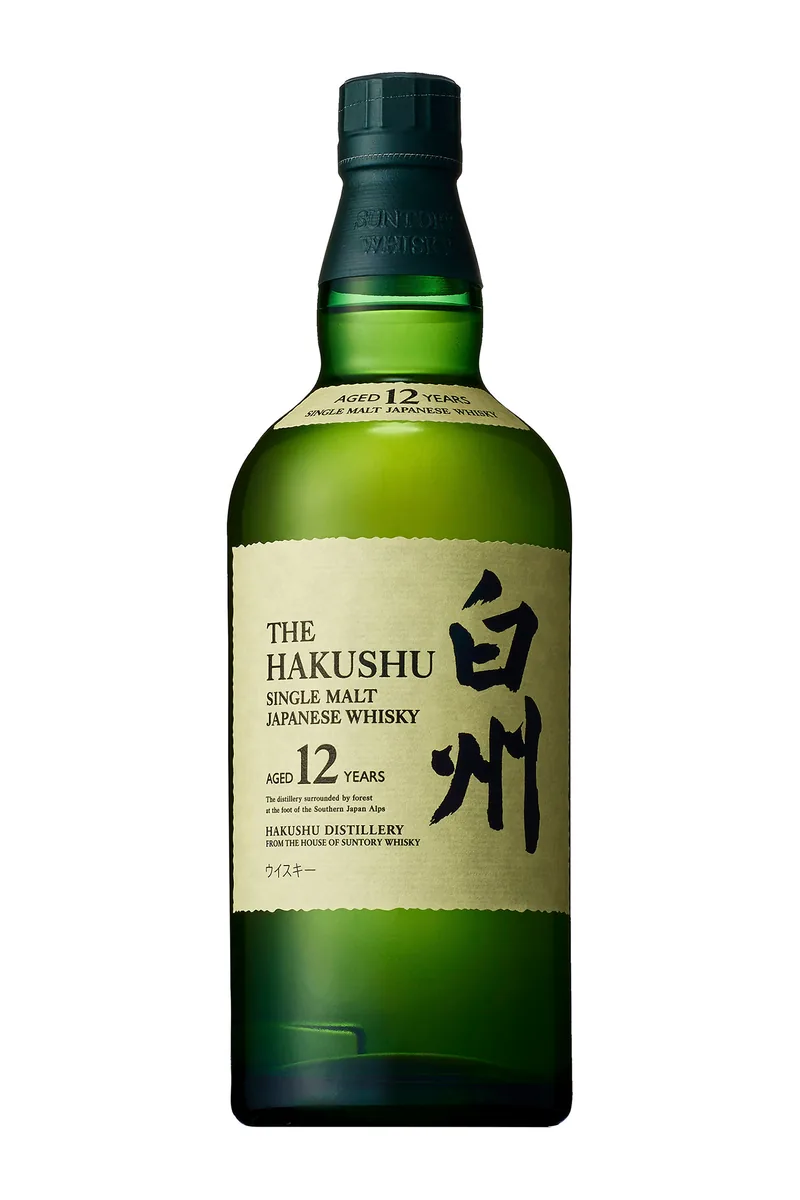
Malted barley only, pot distilled, all of it from one distillery. Yamazaki, Hakushu, Yoichi, Miyagikyo, Chichibu, Akkeshi. Single does not mean one cask, it means one distillery, and almost every single malt on a shelf is a marriage of many casks.
Blended malt
Malt whisky from more than one distillery, with no grain whisky in it. Sometimes still labelled pure malt on older Japanese bottles. Nikka's Taketsuru range is the best known example.
Grain whisky
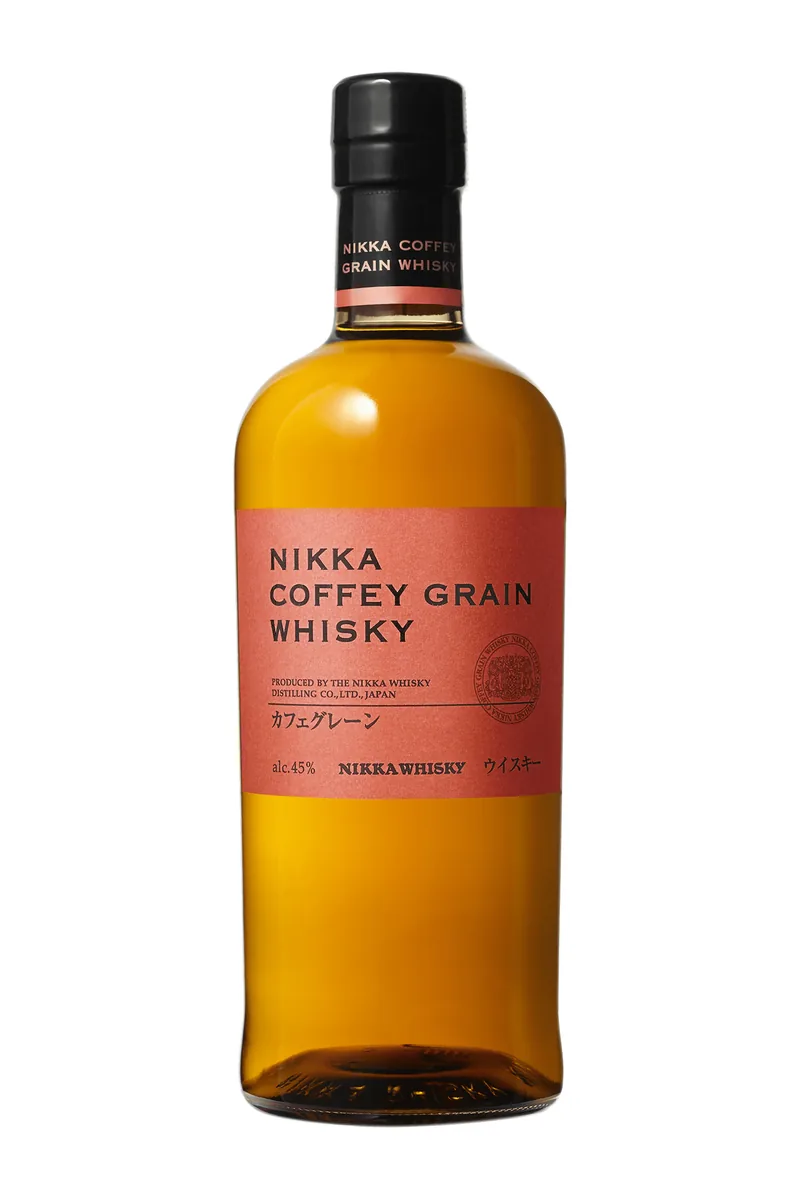
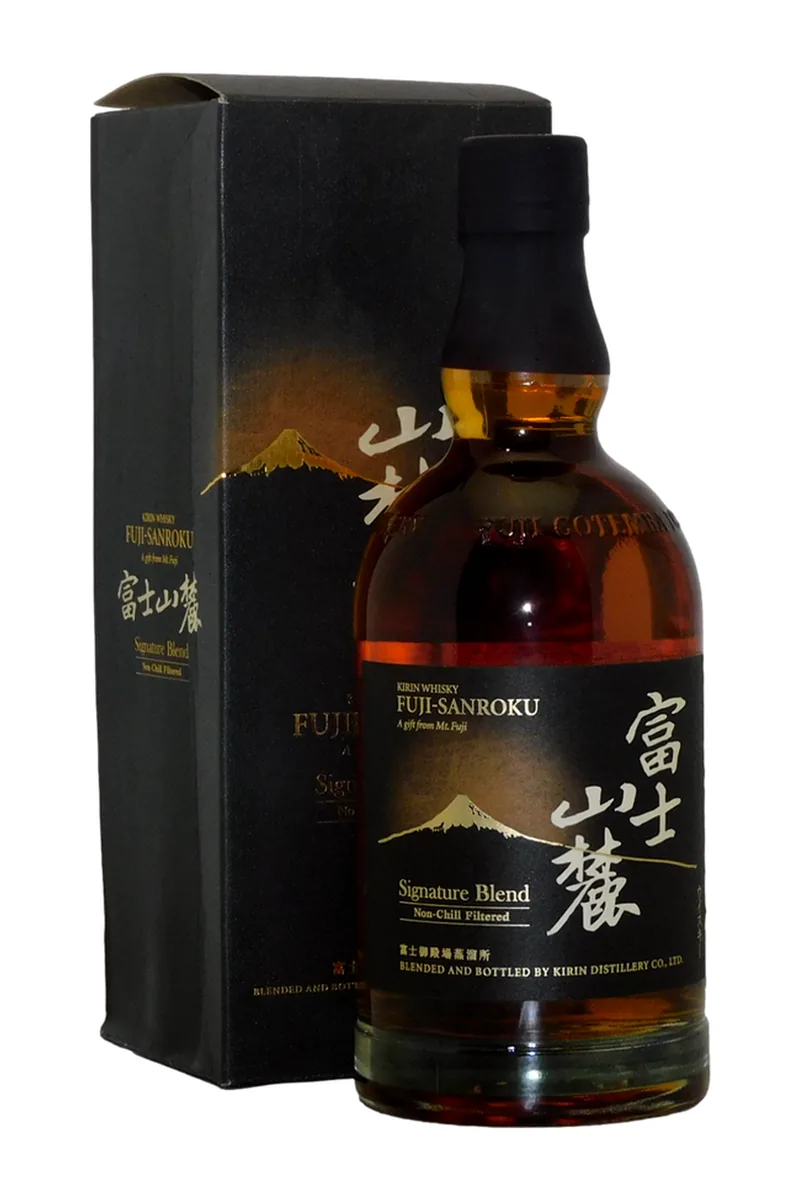
Made from grains other than malted barley, usually corn, and distilled in continuous column stills rather than pot stills. It is lighter and sweeter, and most of it exists to go into blends, but Japan bottles some on its own. Nikka runs a pair of Coffey stills shipped over from Scotland in the 1960s, and Kirin's Fuji grain whisky has a following of its own.
Blended whisky
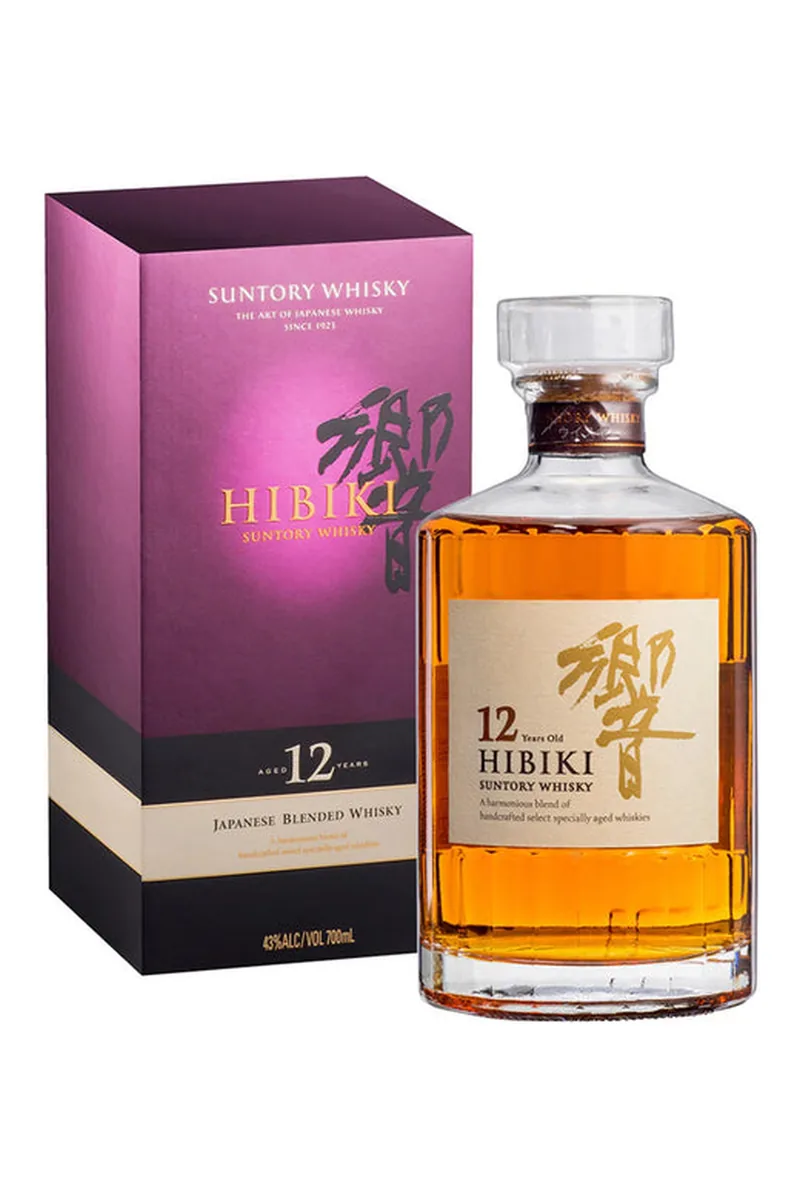
Malt and grain together. The largest category by volume and, in Japan, not the lesser one. Hibiki is a blend. Toki is a blend. Most of what people actually drink in Japan is a blend, usually in a highball.
Single blended
The category Japan added. Malt and grain blended together, but all of it distilled at the same distillery. It takes a site that makes both, which is why Kirin's Fuji is the bottle that usually carries the term.
World blend
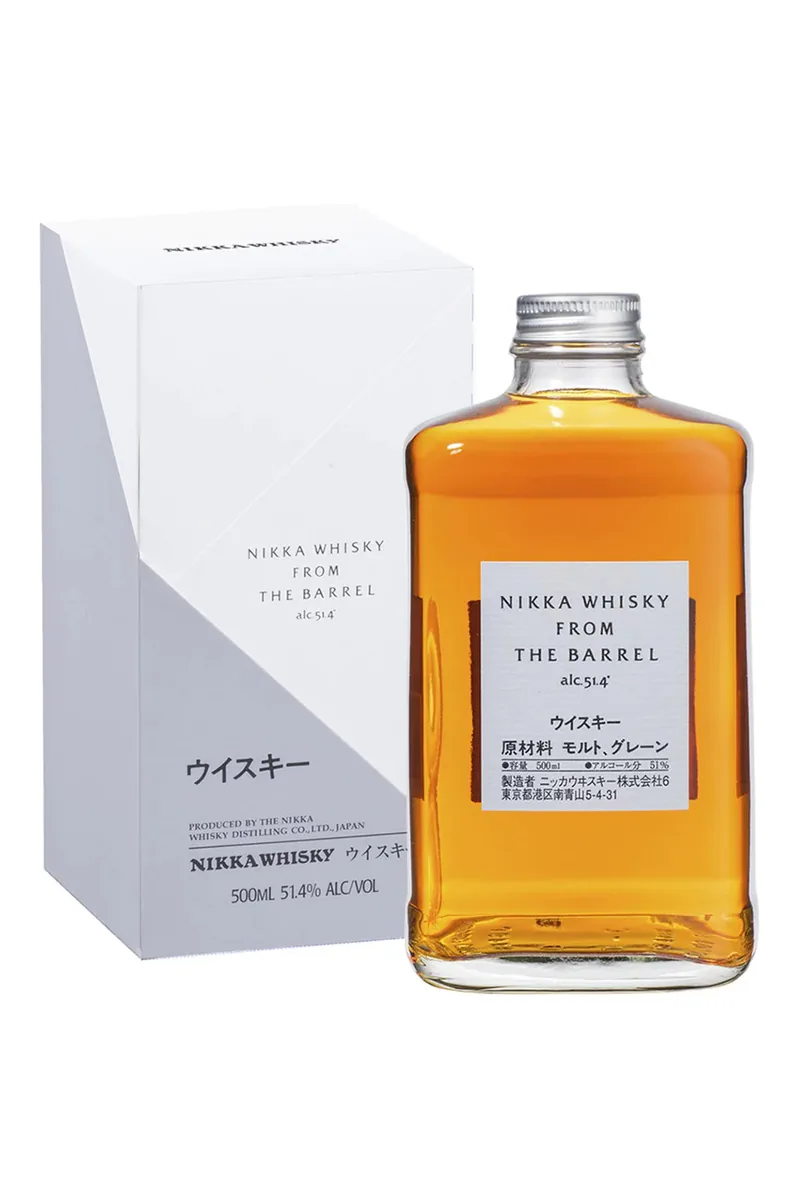
A blend that includes whisky made outside Japan. This is a legitimate style with some very good bottles in it, and the honest ones say so on the label. It is also the loophole the next section is about.
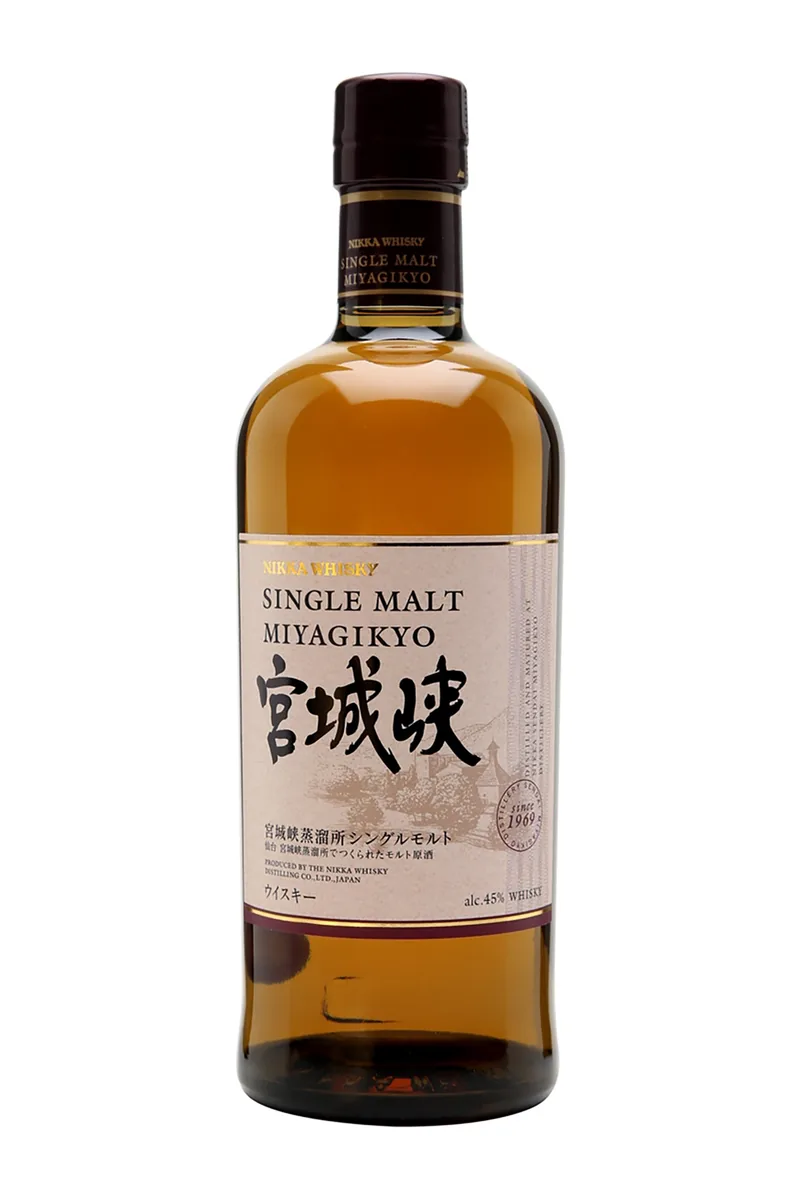
One of each, in the order above: single malt, blended malt, grain, blend, single blended, world blend.

What Japanese whisky is allowed to mean
Until very recently the phrase Japanese whisky had no legal definition, and that is not a technical quibble. Under Japan's liquor tax law a product could be bottled in Japan, labelled in Japanese, given a Japanese name and sold as Japanese whisky while containing whisky distilled in Scotland or Canada, or a large proportion of neutral spirit, or both. It did not have to be distilled in Japan at all.
When world demand arrived and domestic stock ran out, a lot of producers filled the gap with imported bulk whisky. Plenty of the bottles that built the category's reputation with casual buyers in the 2010s were not Japanese whisky in any meaningful sense.
The 2021 standard
The Japan Spirits and Liqueurs Makers Association introduced a labelling standard that took effect in April 2021, with a grace period that ran to the end of March 2024. To call something Japanese whisky under it:
- Malted grain has to be used, and the water has to come from Japan.
- Saccharification, fermentation and distillation all have to happen at a distillery in Japan.
- It has to be matured in Japan, in wooden casks of 700 litres or less, for at least three years.
- It has to be bottled in Japan at 40 percent alcohol or more.
The catch is that the standard is voluntary and binds only the association's members. A producer who is not a member can still put the words on the bottle. It has cleaned a great deal up, and several well known bottles quietly changed their labels rather than their recipes when it came in, but it is not law.
Reading a bottle in a shop

Japanese whisky on a bottle from a member producer now means what you want it to mean. Product of Japan, World Whisky, World Blend, or simply the absence of the phrase, usually means imported whisky is involved. None of that makes it bad. Nikka From The Barrel is a world blend, bottled at 51 percent, and it is one of the best value bottles in any whisky category. It just means you should not pay a Japanese single malt price for it.
On this site we record what we have been able to verify about each bottle against that standard, and we say when we have not been able to verify it rather than guessing. You will find that on each whisky's page.
The distilleries
Thirteen producers have bottles on this site. The big two account for most of what you will see in an Australian bottle shop, and the rest is where the interesting buying is.
Suntory
Yamazaki, Osaka
The oldest and the largest. Yamazaki opened in 1924 between Kyoto and Osaka, Hakushu followed in 1973 in the forest below the Southern Japanese Alps, and the Chita grain distillery feeds the blends. Because Japanese companies do not trade casks with each other the way Scottish ones do, Suntory makes its variety in house: different still shapes, different yeasts, different peating levels, all under one roof. Hibiki is the blend, Toki the everyday bottle, Yamazaki and Hakushu the single malts.
Nikka
Yoichi, Hokkaido
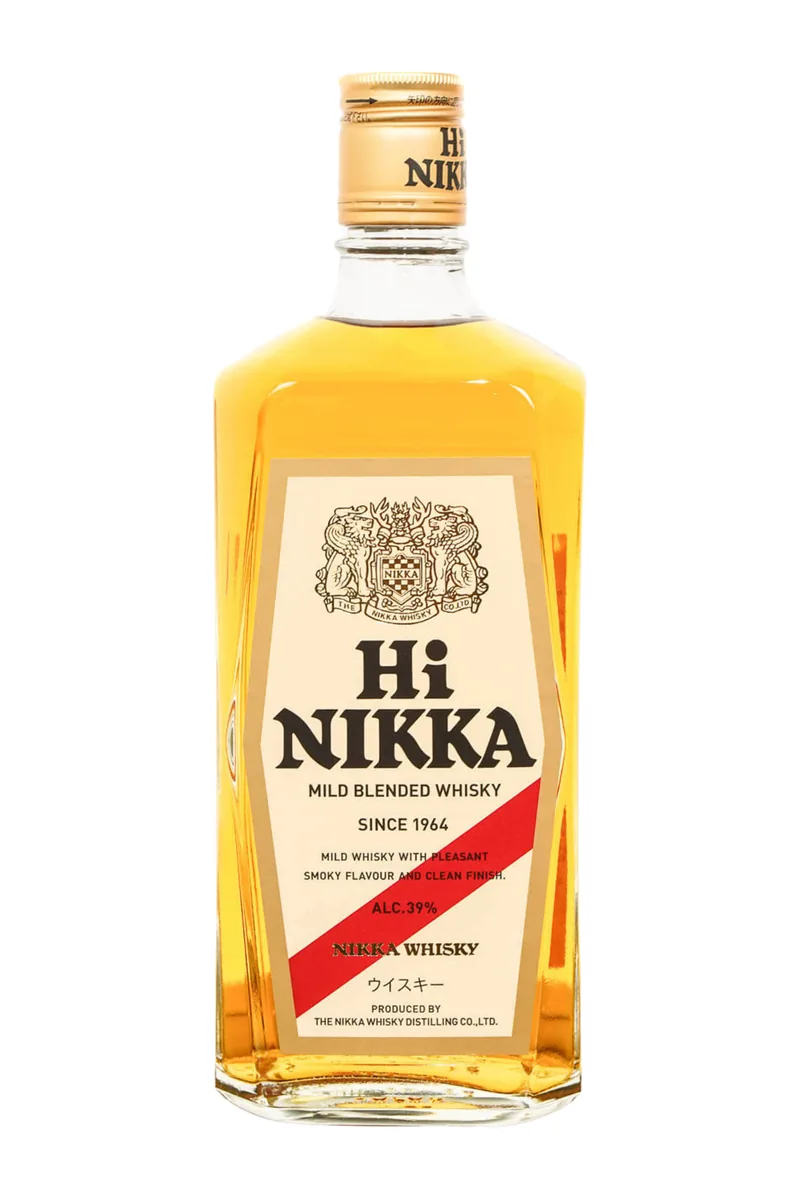
Taketsuru's company, and the other half of the story. Yoichi sits on the coast of Hokkaido and still distils over direct coal fire, which almost nobody else in the world does, and the house style is heavy and peaty. Miyagikyo, opened in 1969 in a river valley near Sendai, was built to be its opposite: larger stills, steam heating, lighter and fruitier spirit. Nikka also runs a pair of Coffey stills brought over from Scotland, which is where the Coffey Grain and Coffey Malt bottlings come from.
Chichibu
Chichibu, Saitama
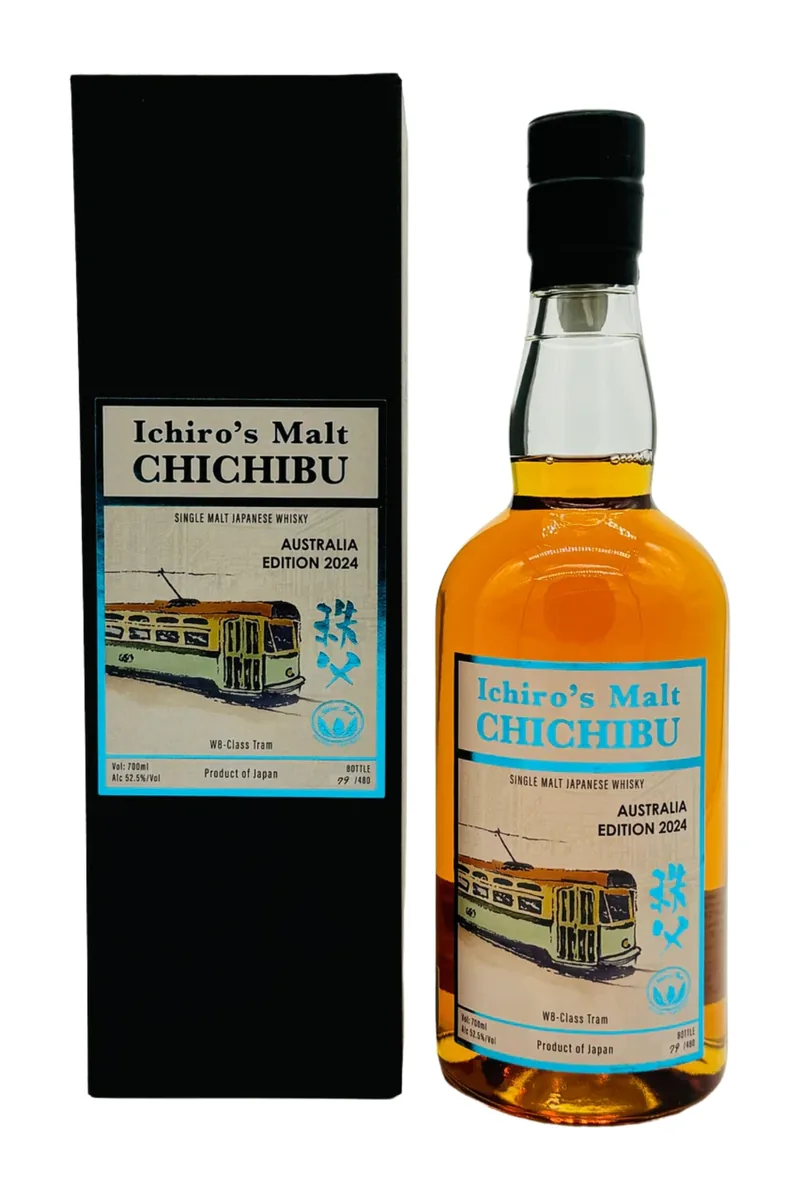
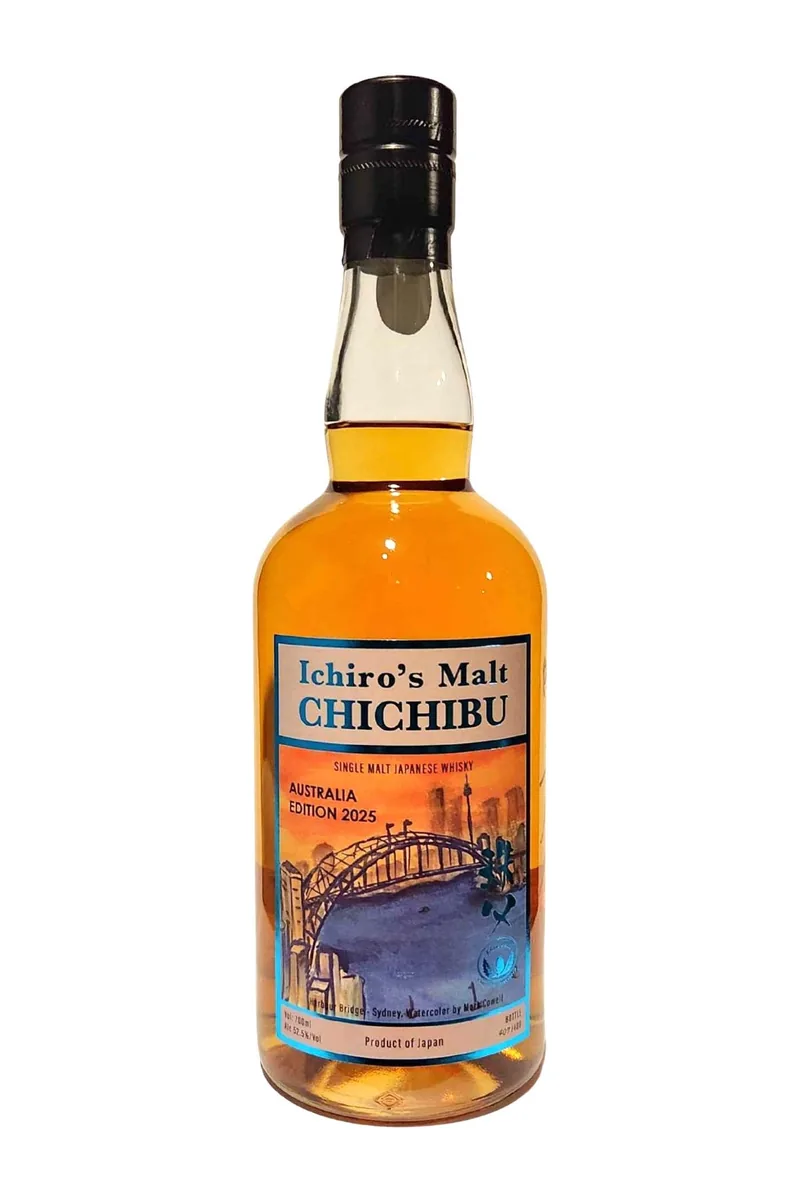
The distillery that showed everyone else it could be done small. Ichiro Akuto's family had owned Hanyu, which closed in 2000, and he bought back its remaining casks and released them as the Card Series while he built his own place in Saitama. Chichibu started distilling in 2008. It malts some of its own barley, uses mizunara washbacks, and its releases sell out quickly.
Mars
Miyada, Nagano
Hombo Shuzo's whisky arm, and the highest distillery in Japan. Mars Shinshu sits about 800 metres up in the Nagano alps, which gives it cold winters and a slow maturation. It has stopped and restarted more than once, most recently coming back in 2011, and a second site at Tsunuki in Kagoshima opened in 2016. Iwai, named after the man who drew up the original Japanese whisky plans Taketsuru was later sent to Scotland to research, is the everyday range.
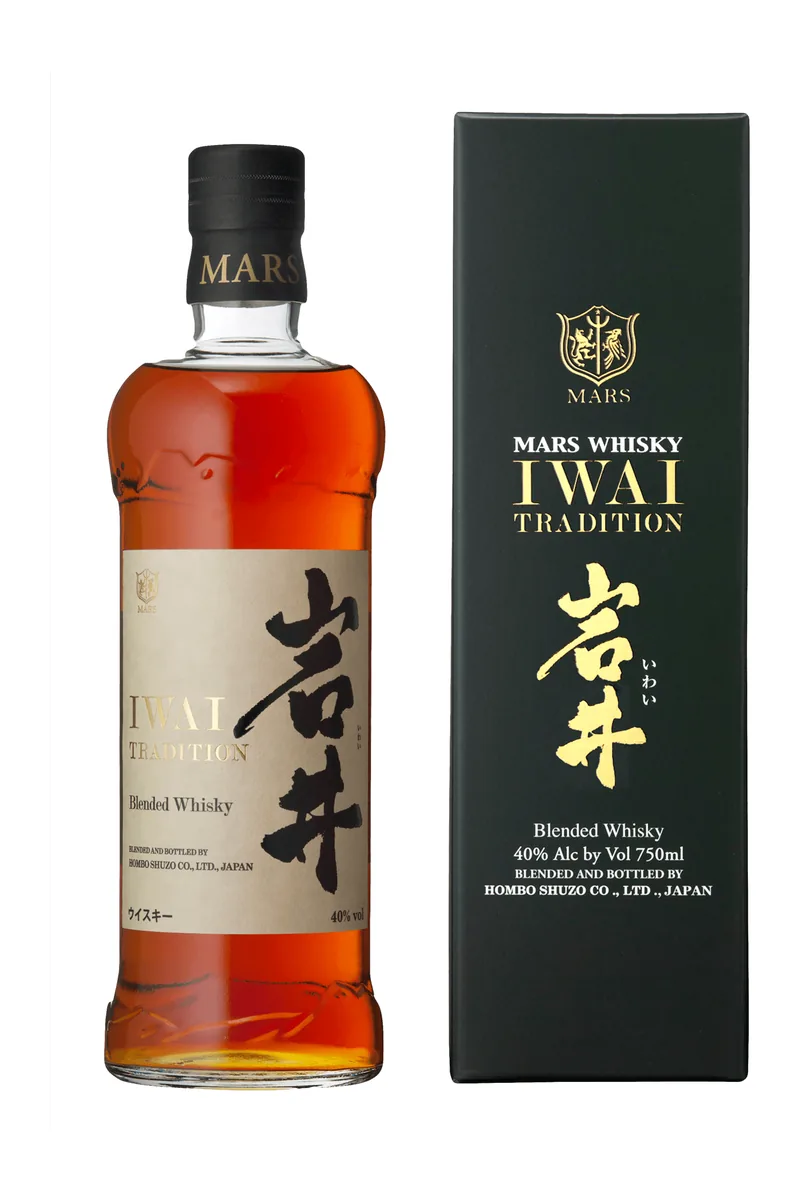
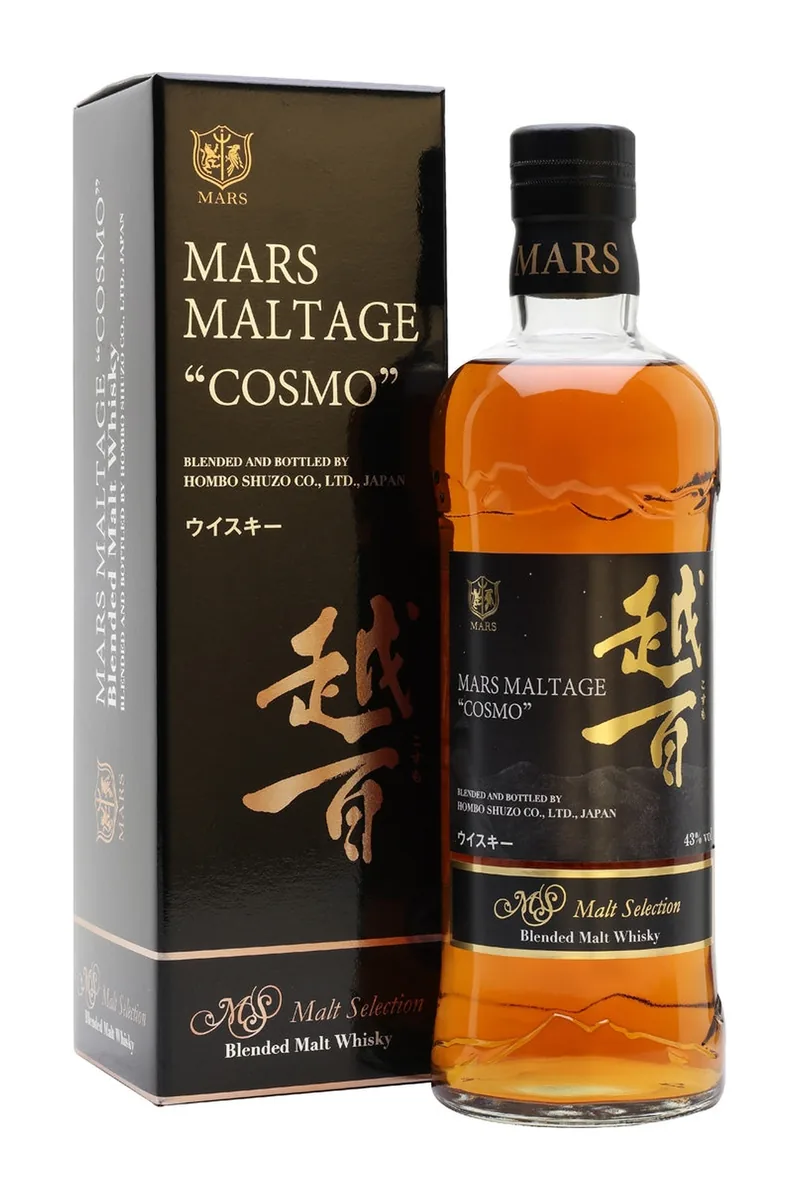
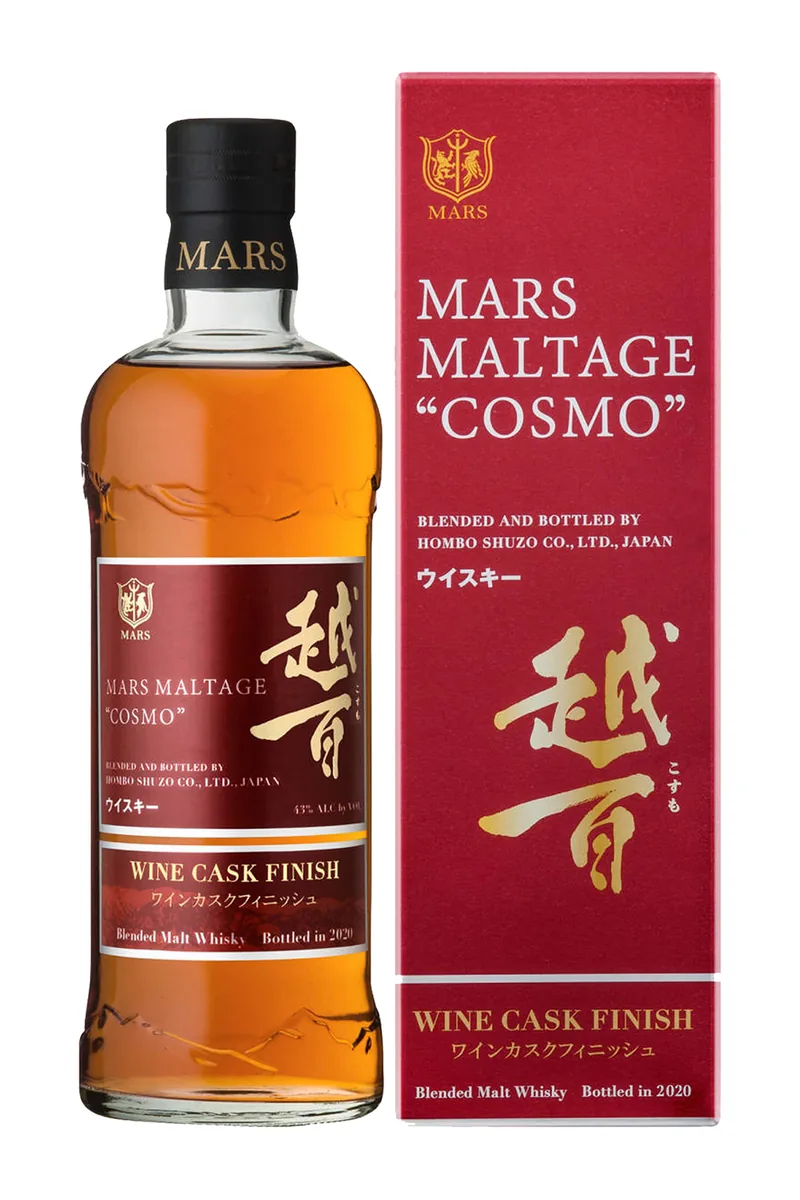
Fuji (Kirin)
Gotemba, Shizuoka
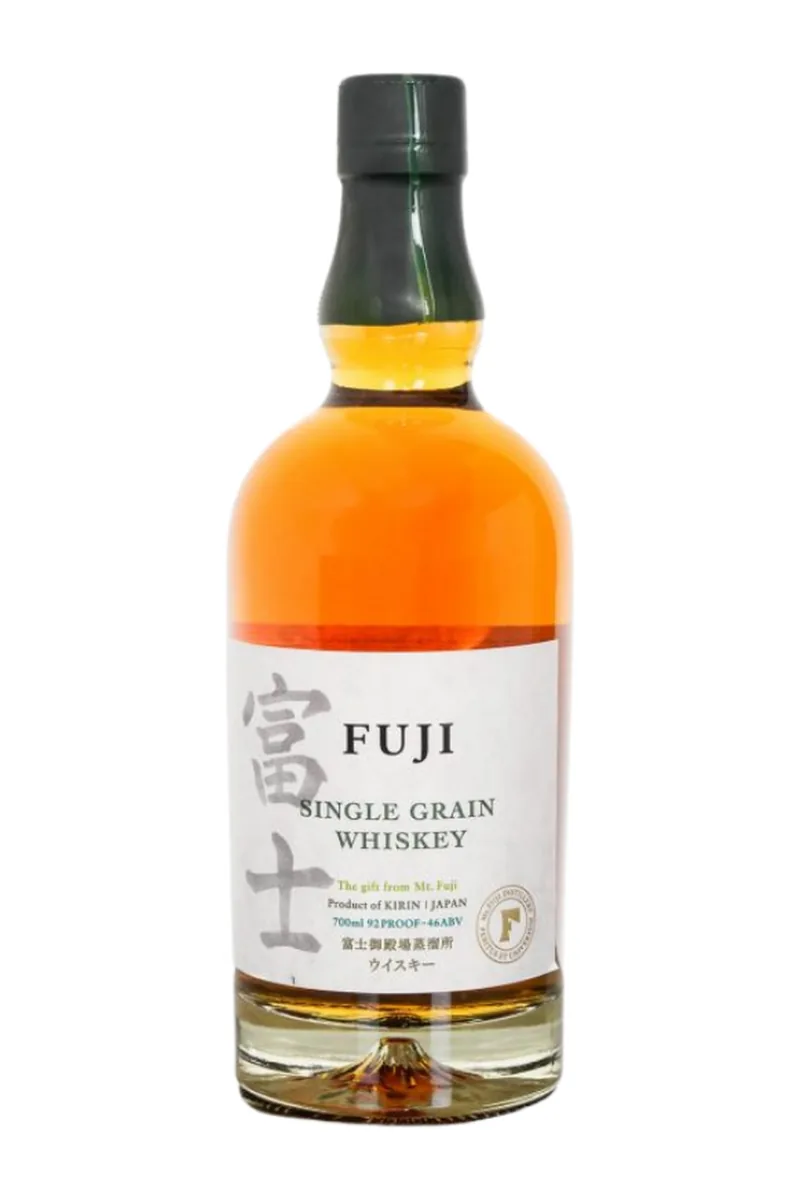
Kirin's distillery, on the southern slope of Mount Fuji, opened in 1973. It is unusual for making its malt and several separate styles of grain whisky on one site, which is why its bottles are often labelled single blended: everything in the bottle came from the one distillery. The grain whisky is what it is best known for among people who pay attention to grain whisky.
Akashi (Eigashima)
Akashi, Hyogo
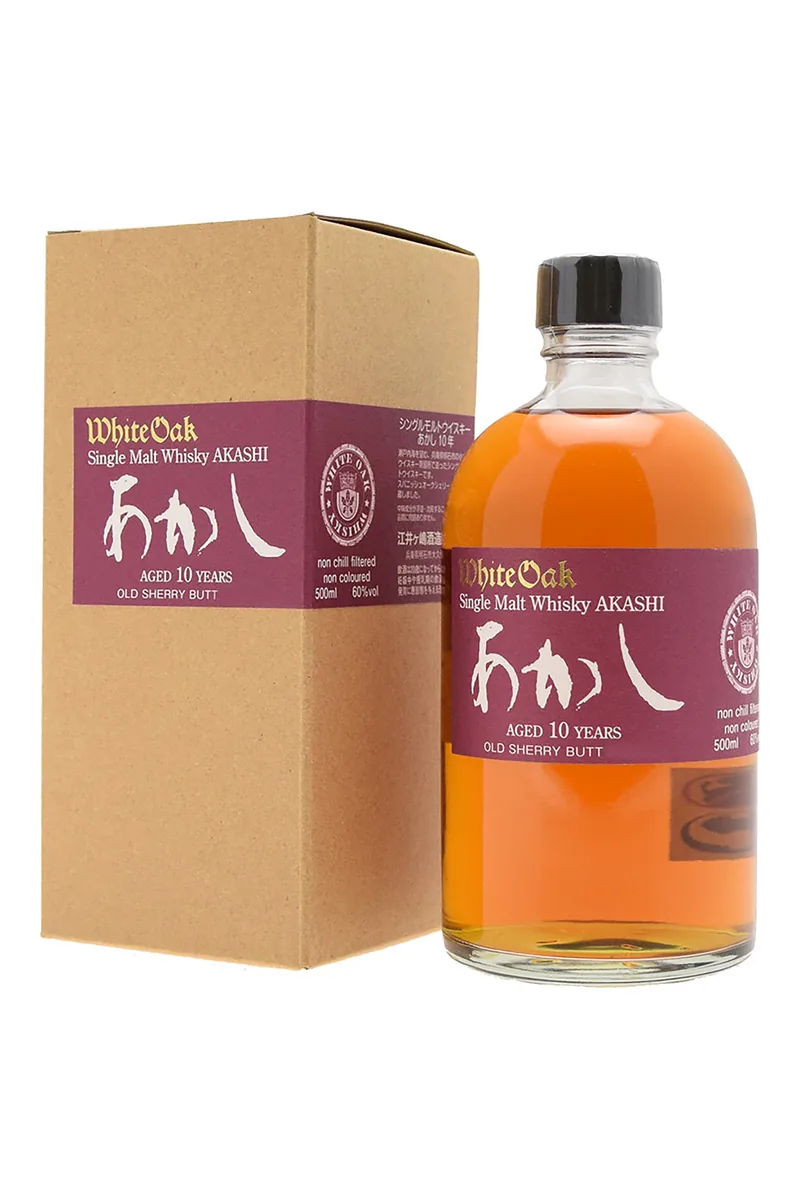
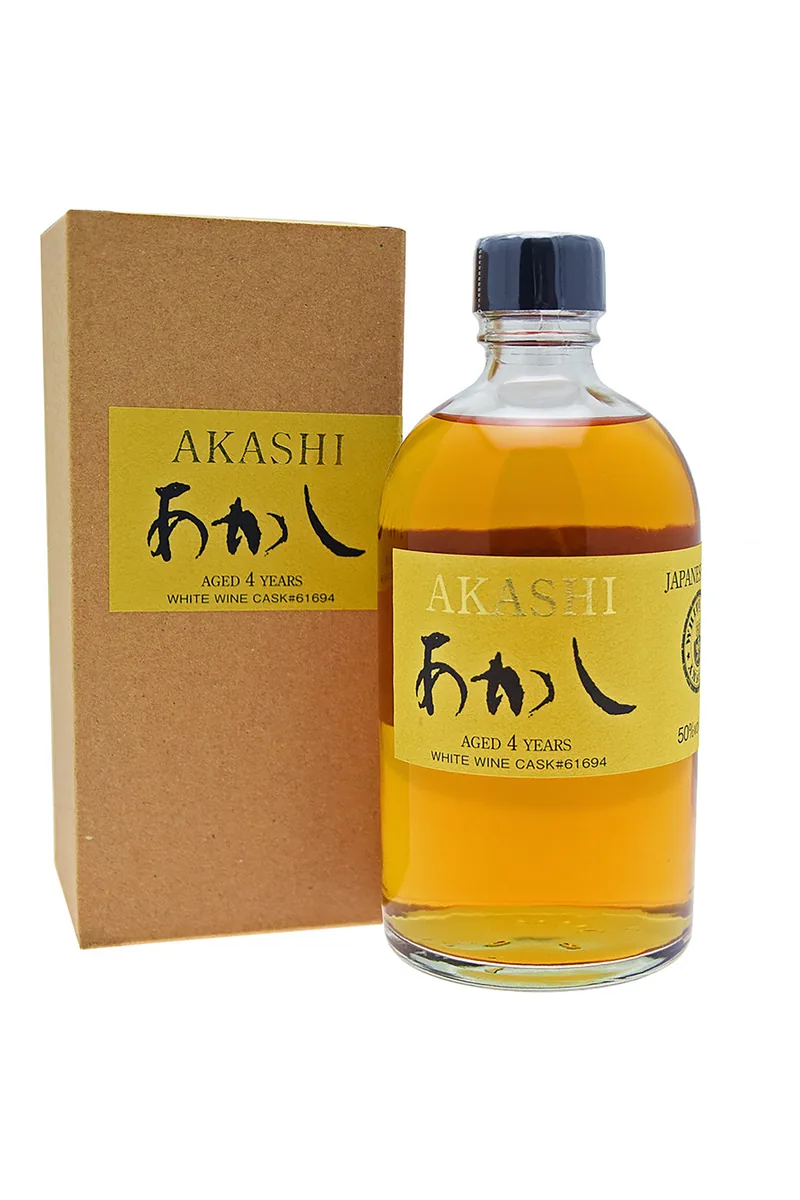
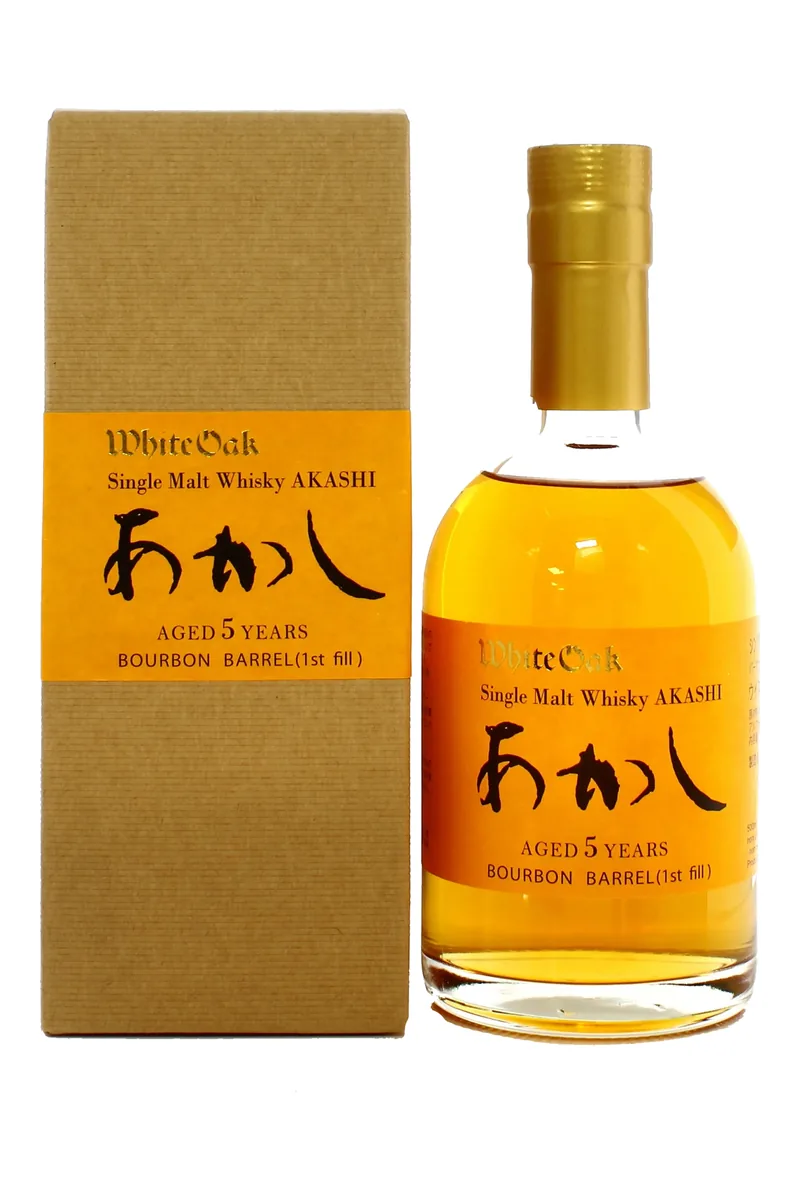
Eigashima has held a whisky licence since 1919, which makes it older on paper than Yamazaki, though it spent most of that time making sake and shochu. The White Oak distillery is small and the Akashi bottles are usually the cheapest way into a Japanese single malt, with a lot of cask experimentation at the smaller end of the range.
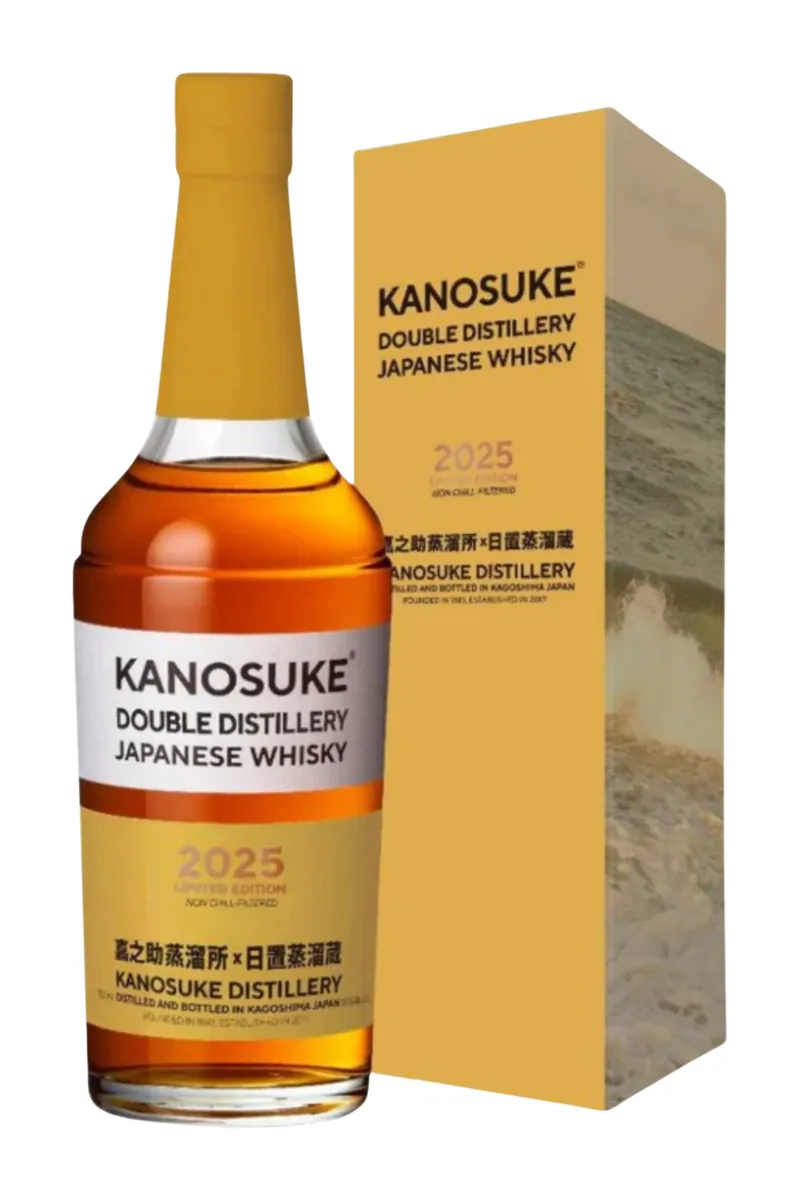
Kanosuke
Hioki, Kagoshima
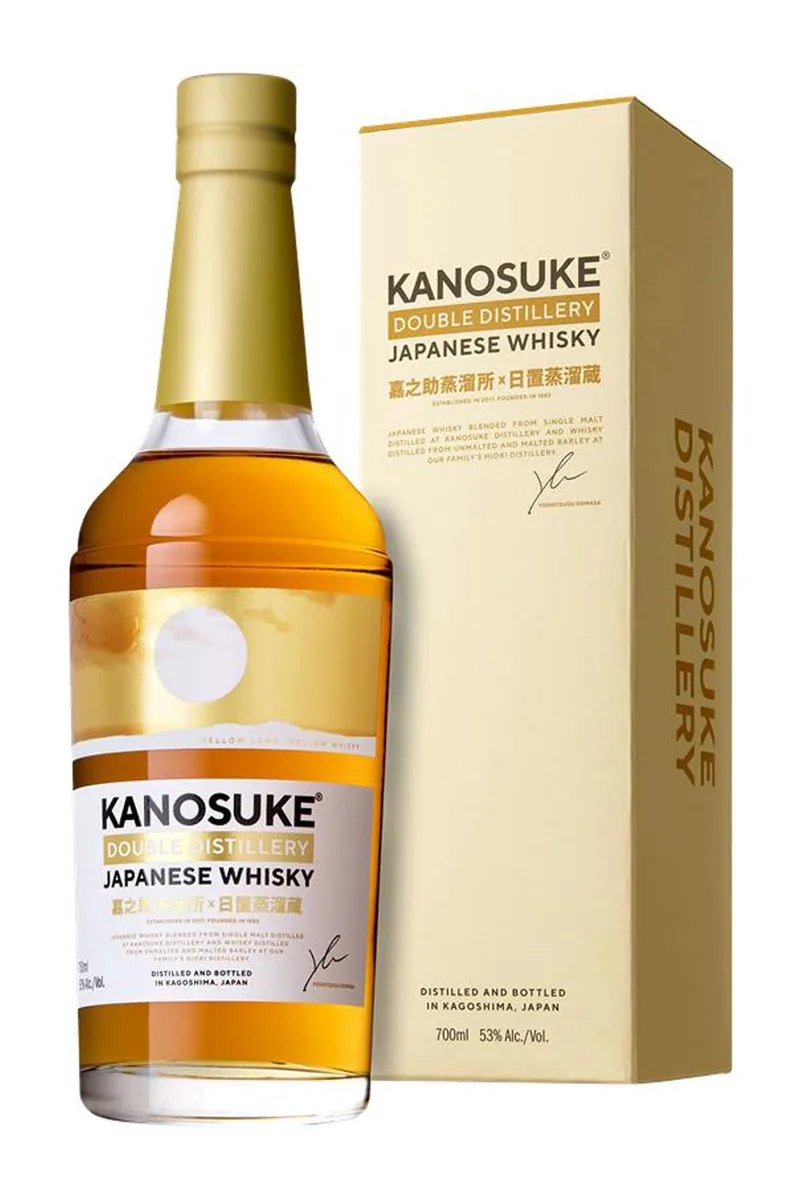
Komasa Jyozo spent a century making shochu in Kagoshima before opening Kanosuke in 2017 on the beach at Fukiagehama. The shochu background shows up in the maturation: ex shochu casks are part of the house style, which is not something the older distilleries do.
Akkeshi
Akkeshi, Hokkaido
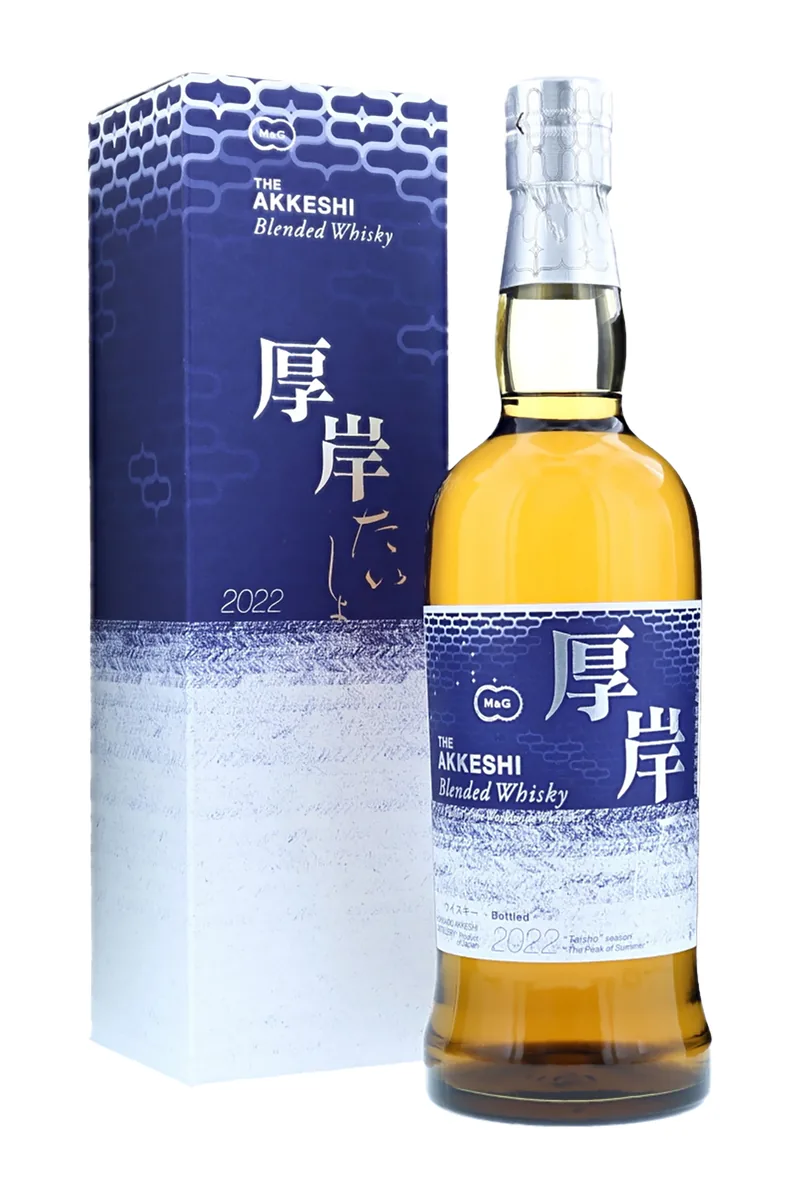
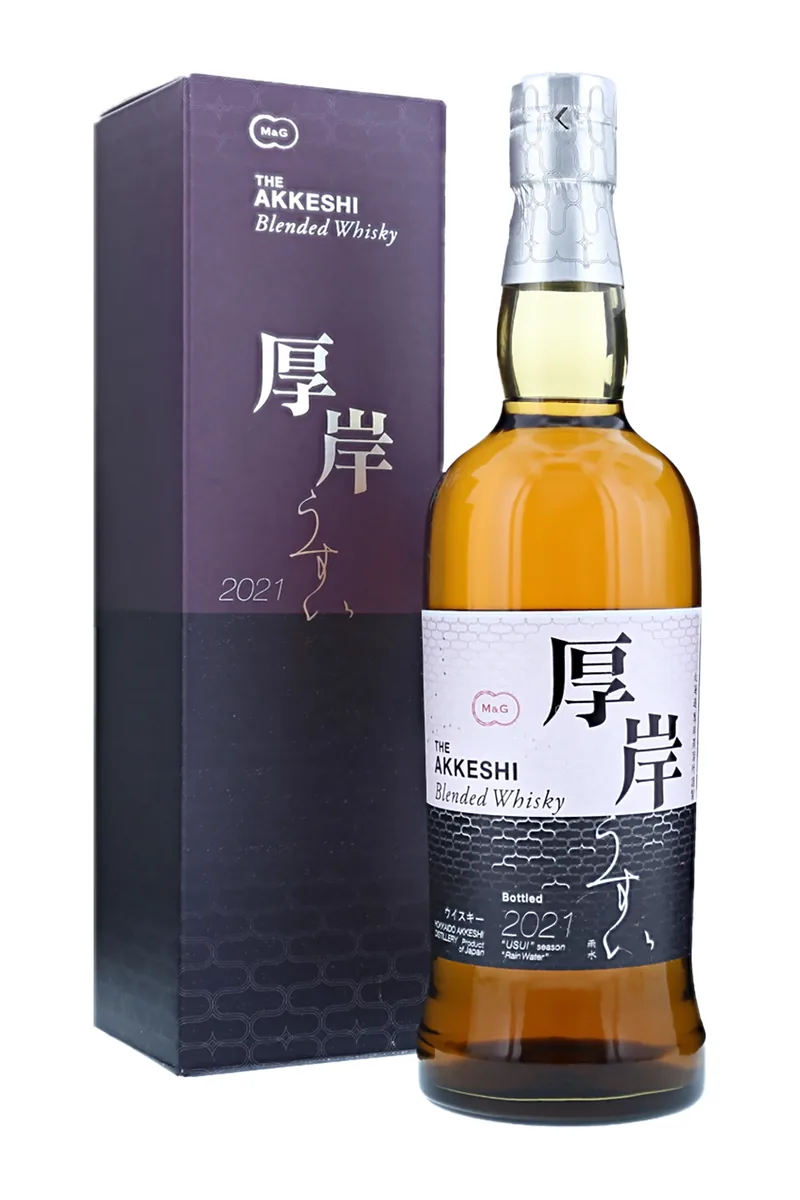
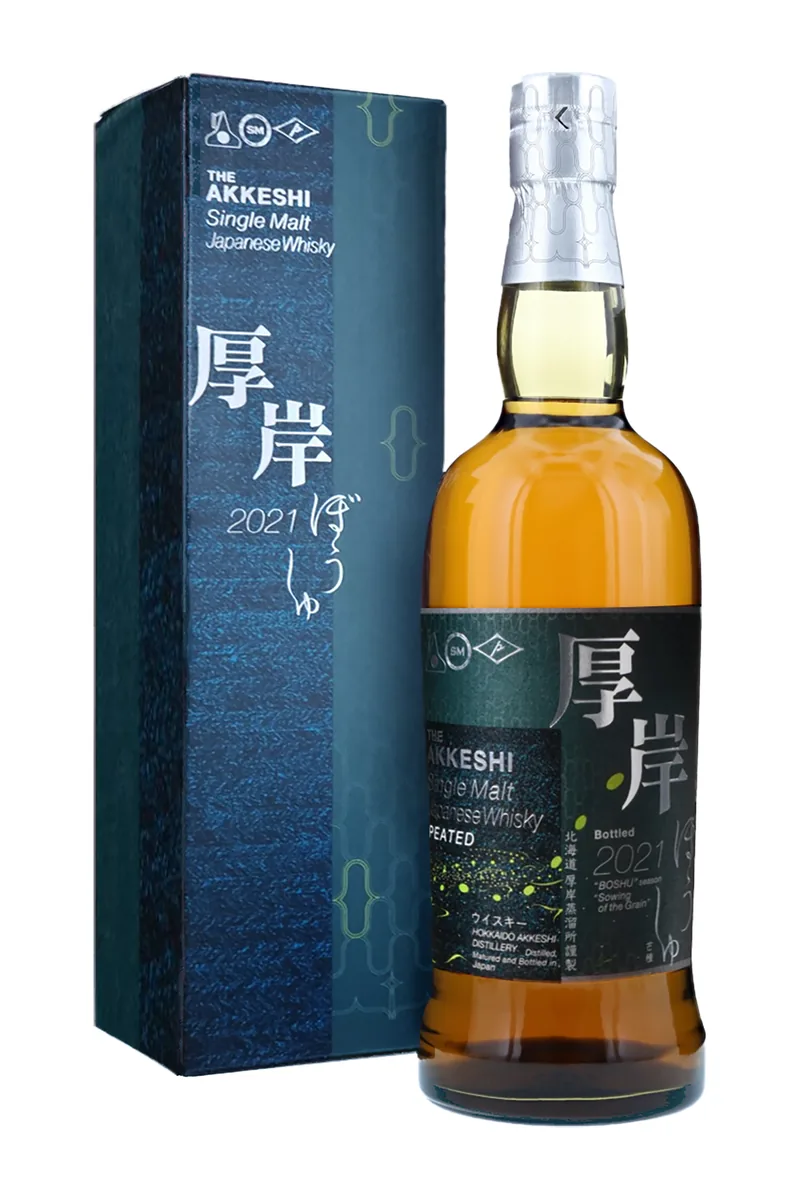
Opened in 2016 on the east coast of Hokkaido, in a cold, foggy, coastal spot chosen because it looks a fair bit like Islay. It peats heavily, uses local mizunara, and names its releases after the sekki, the twenty four divisions of the traditional Japanese year.
Nagahama
Nagahama, Shiga
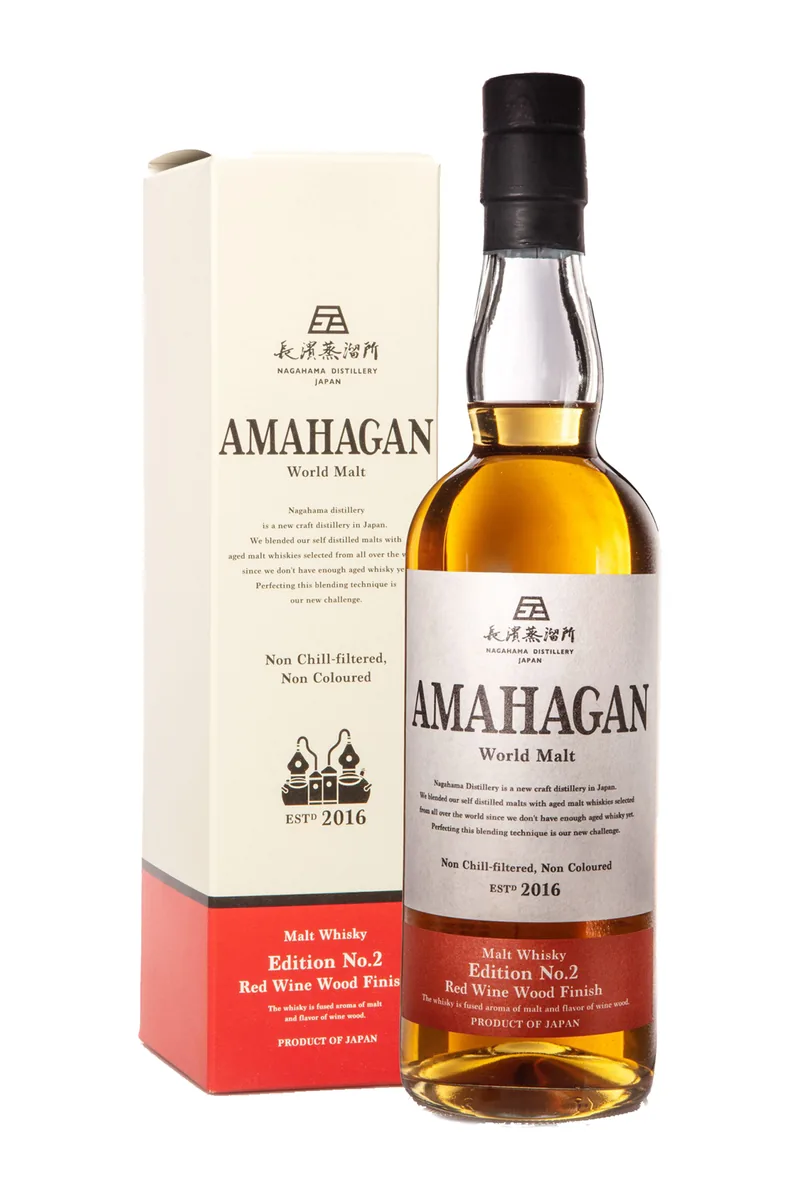
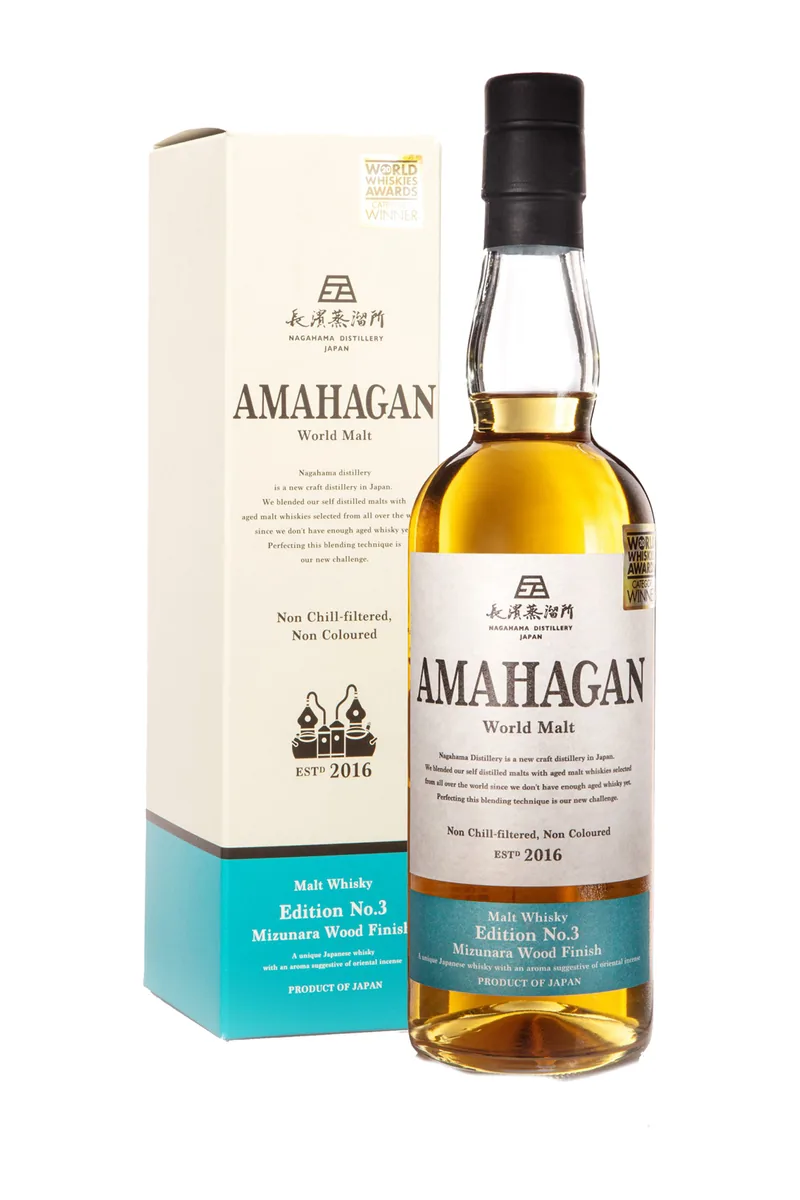
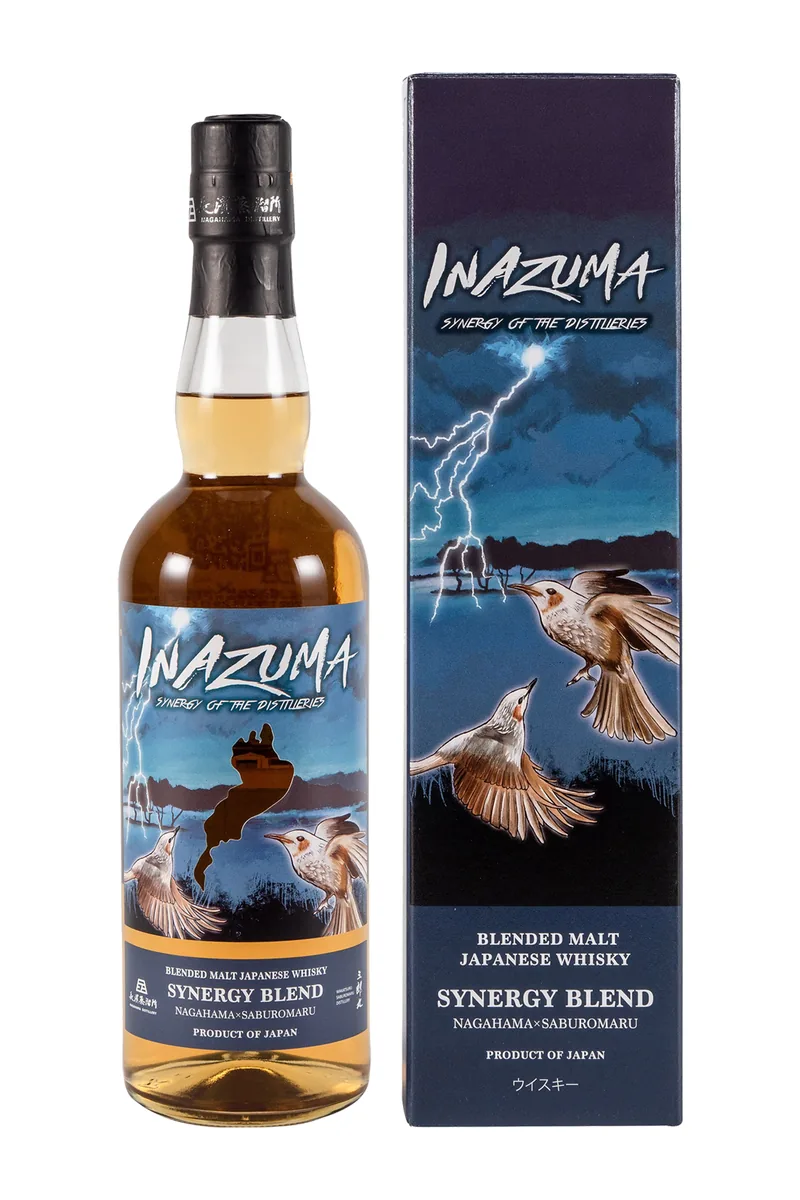
One of the smallest distilleries in the country, running out of a craft beer brewery on the shore of Lake Biwa since 2016. The stills are tiny and the releases are frequent. Its Amahagan range is a blended malt that mixes Nagahama spirit with imported whisky, which the label says plainly.
Togouchi and Sakurao
Hatsukaichi, Hiroshima
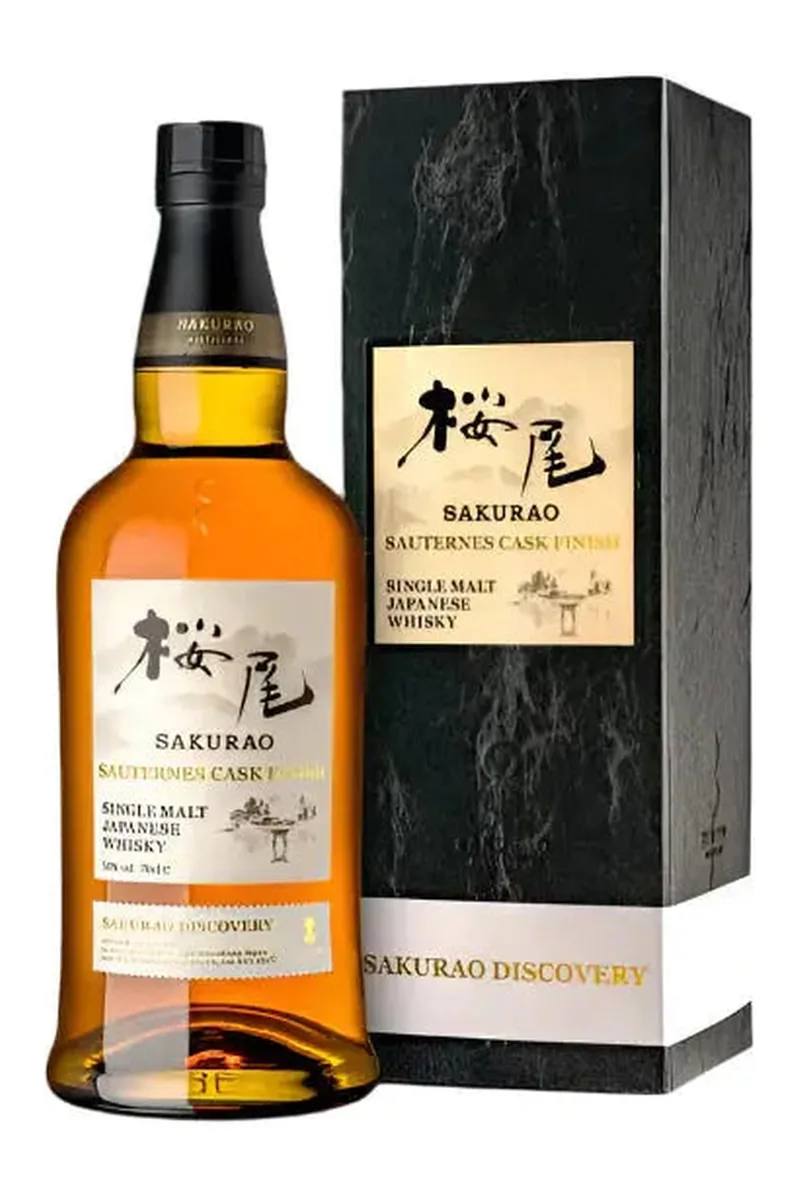
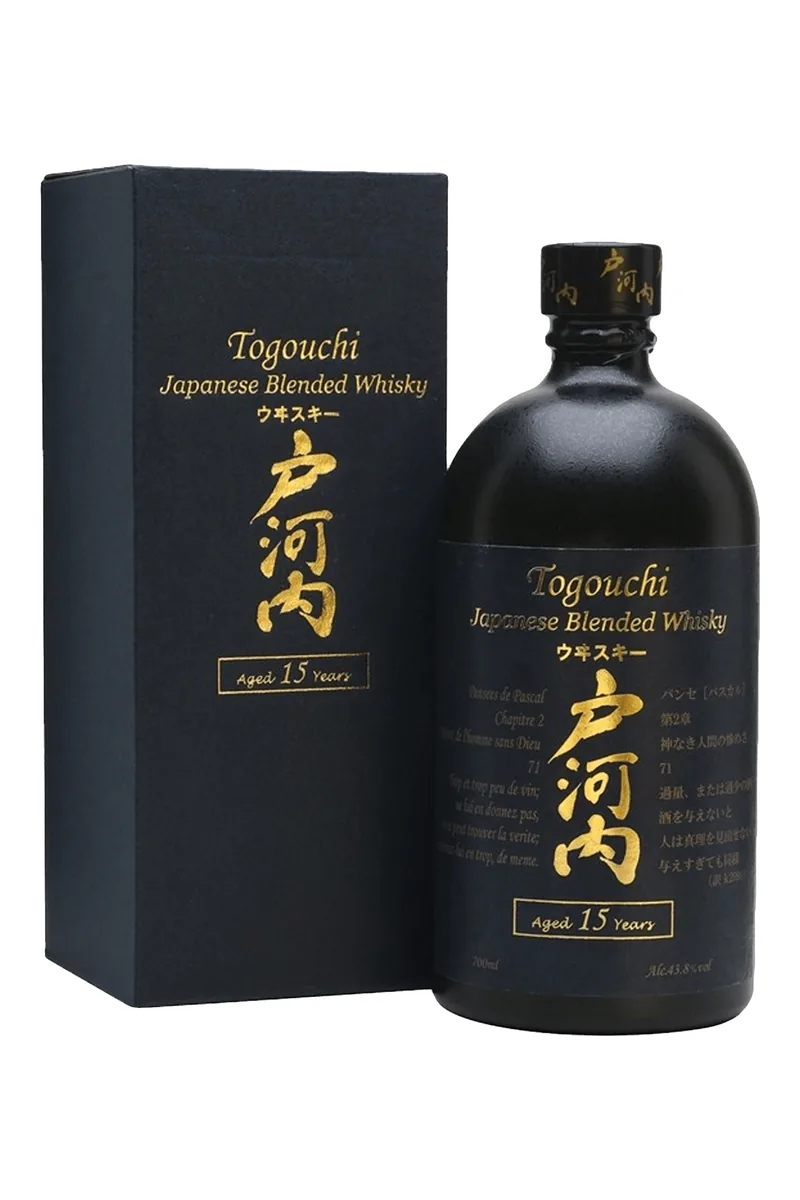
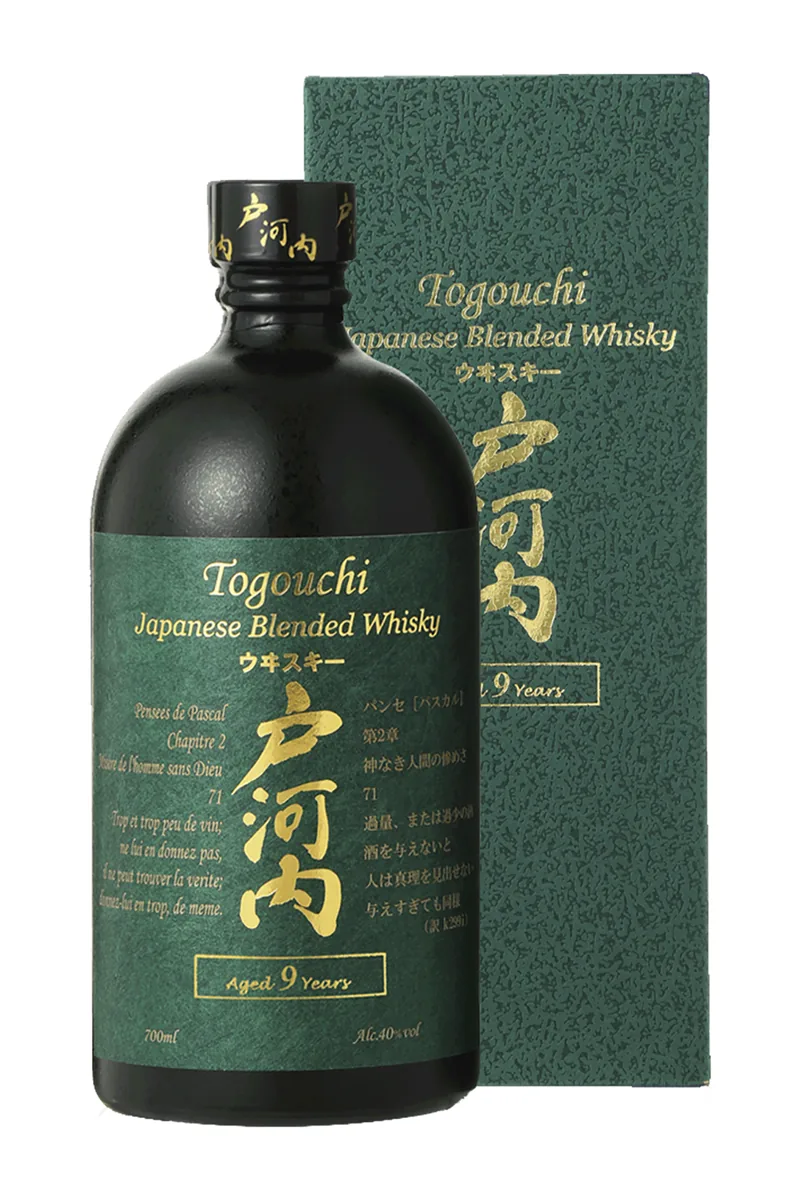
A Hiroshima producer with two names on the shelf. Togouchi is the older blended range, matured in a disused railway tunnel, and Sakurao is the single malt from the distillery it opened in 2018 on the coast at Hatsukaichi.
Matsui
Kurayoshi, Tottori
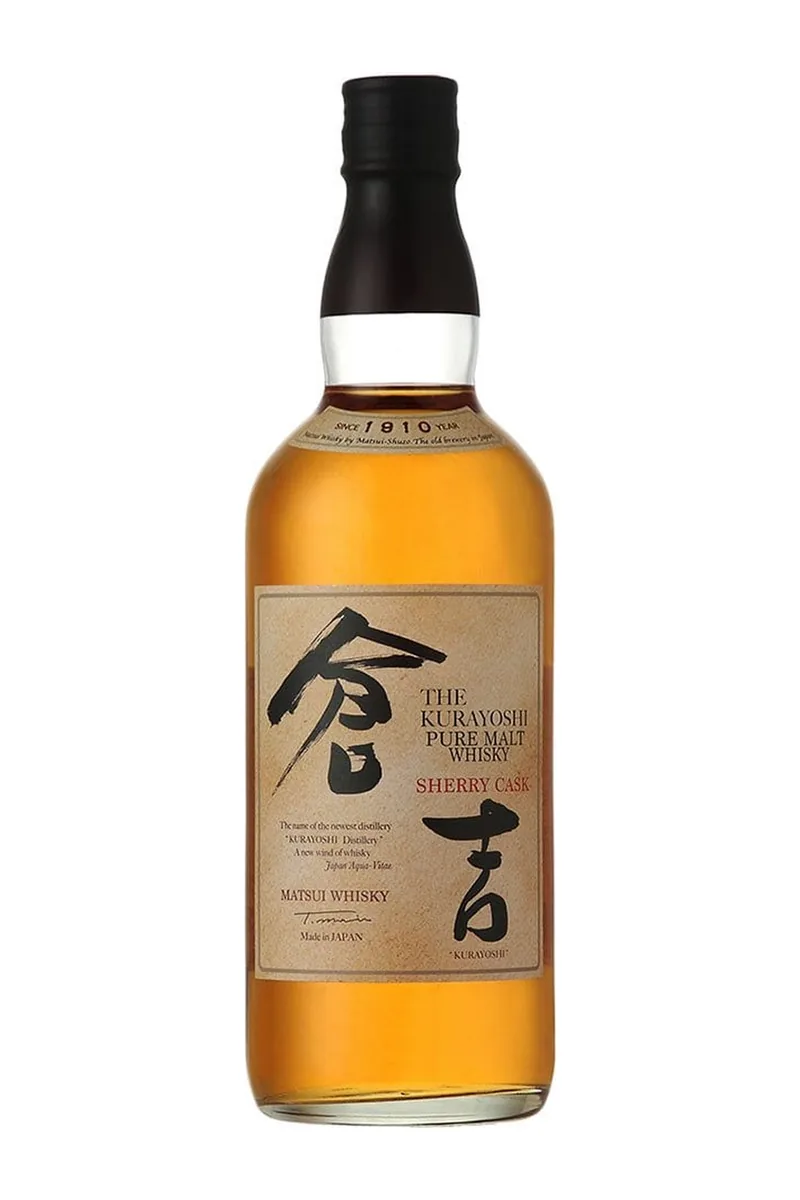
Matsui Shuzo in Tottori, behind the Kurayoshi and Matsui labels. Its early bottles were built on imported whisky at a time when the label was not required to say so, which makes this a good range to read the back of carefully. It now distils its own spirit as well.
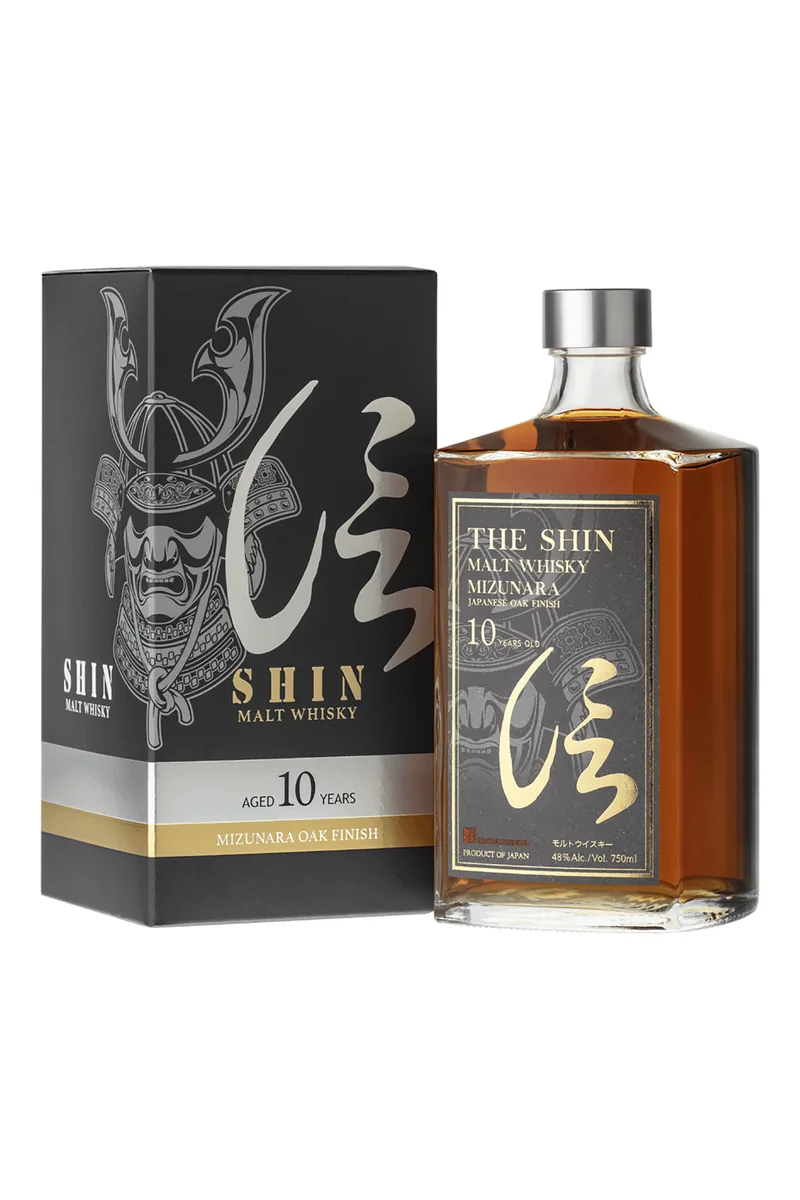
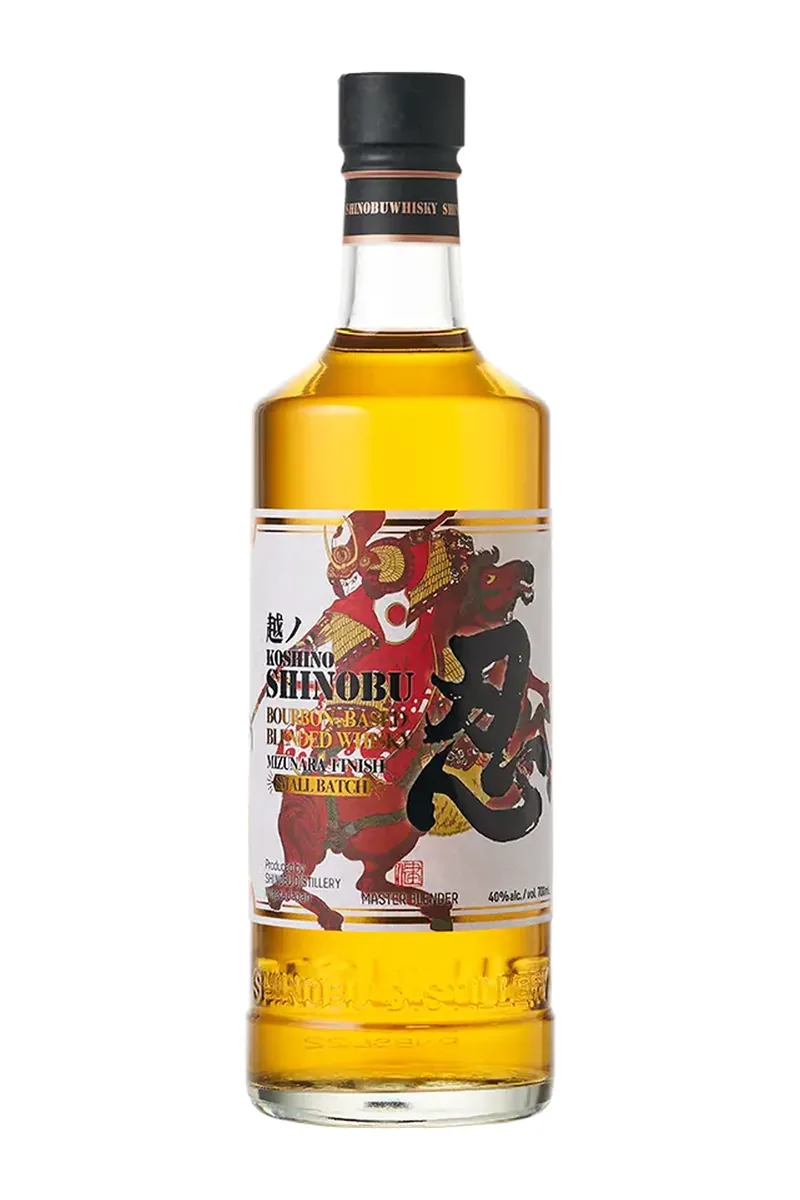
Shinobu
Niigata
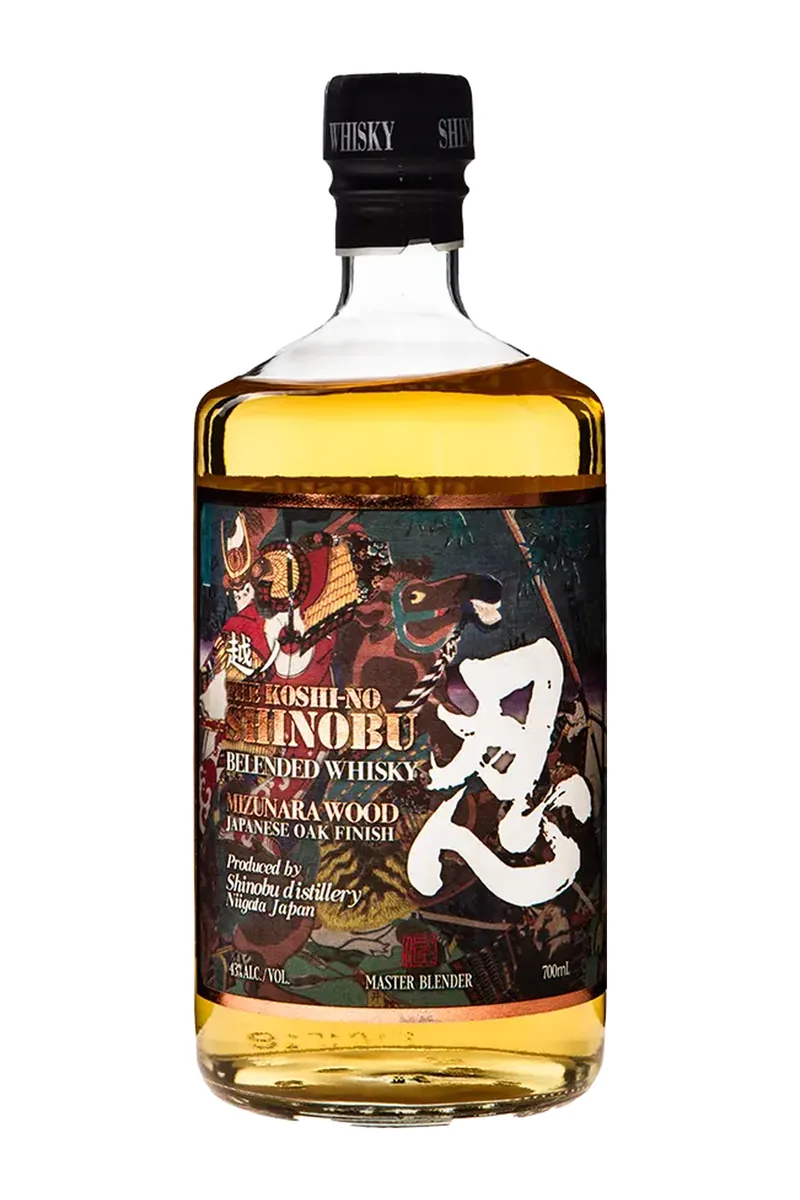
A Niigata producer whose bottles lean on mizunara finishing. Worth checking the label here too: several of the expressions are built on imported whisky finished in Japan rather than distilled there.
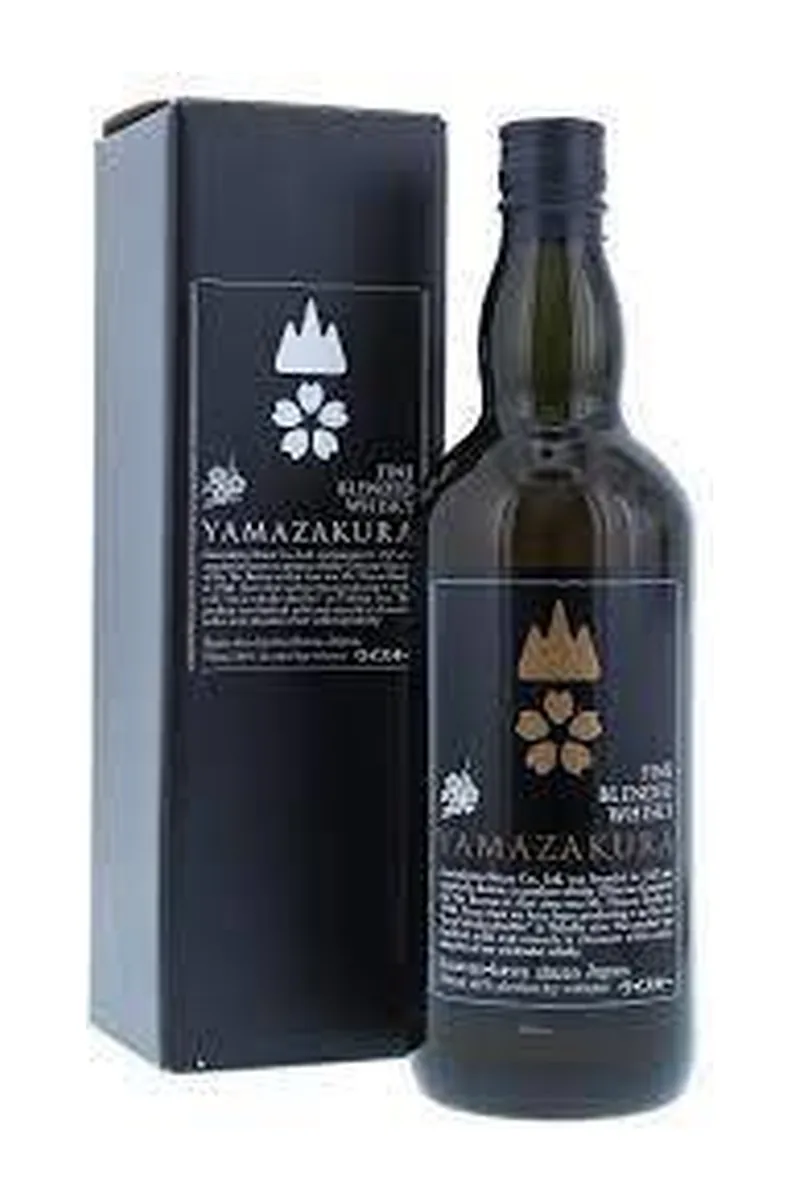
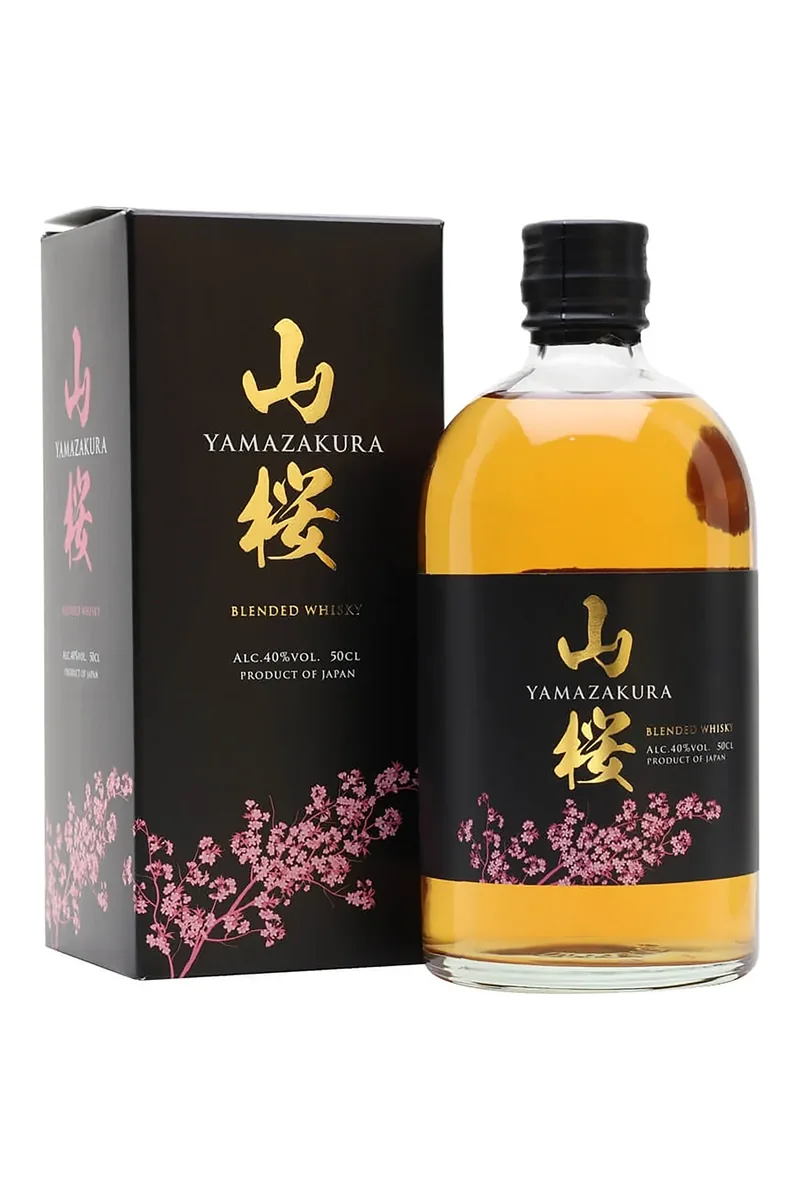
Yamazakura
Koriyama, Fukushima
Sasanokawa Shuzo in Fukushima has been in spirits since the 1940s and kept going through the years when almost nobody wanted Japanese whisky. It also helped Ichiro Akuto store and bottle the rescued Hanyu casks when he had nowhere to put them.
All thirteen distilleries, with maps, house styles and every bottle we track for each.
How to drink it
Japan has a more developed set of habits around this than most countries, and they are worth borrowing. None of them are precious.
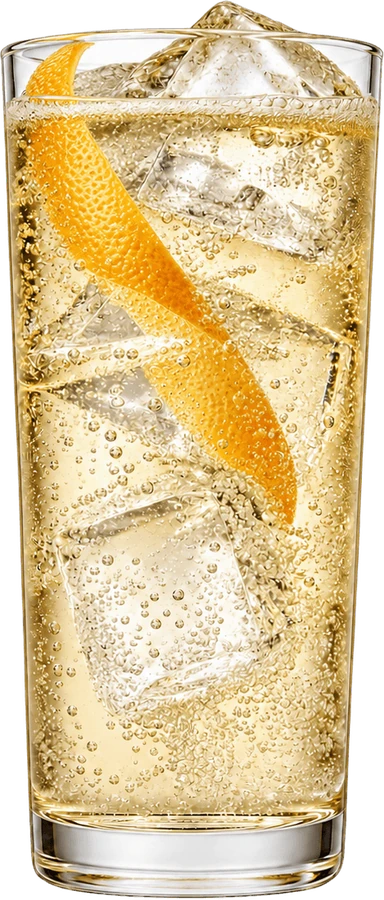
Highball
The default serve in Japan, and the one a lot of this whisky was designed around. One part whisky to three or four parts cold soda water, in a tall glass packed with ice, stirred once. The trick is keeping everything as cold as possible and not stirring the gas out of it. A blend works better here than a single malt, and using an expensive bottle for it is not a crime but it is a waste.
Mizuwari
Whisky cut with still water over ice, stirred properly, usually around one part whisky to two of water. It is the standard way to drink whisky through a meal in Japan and it suits the softer blends.
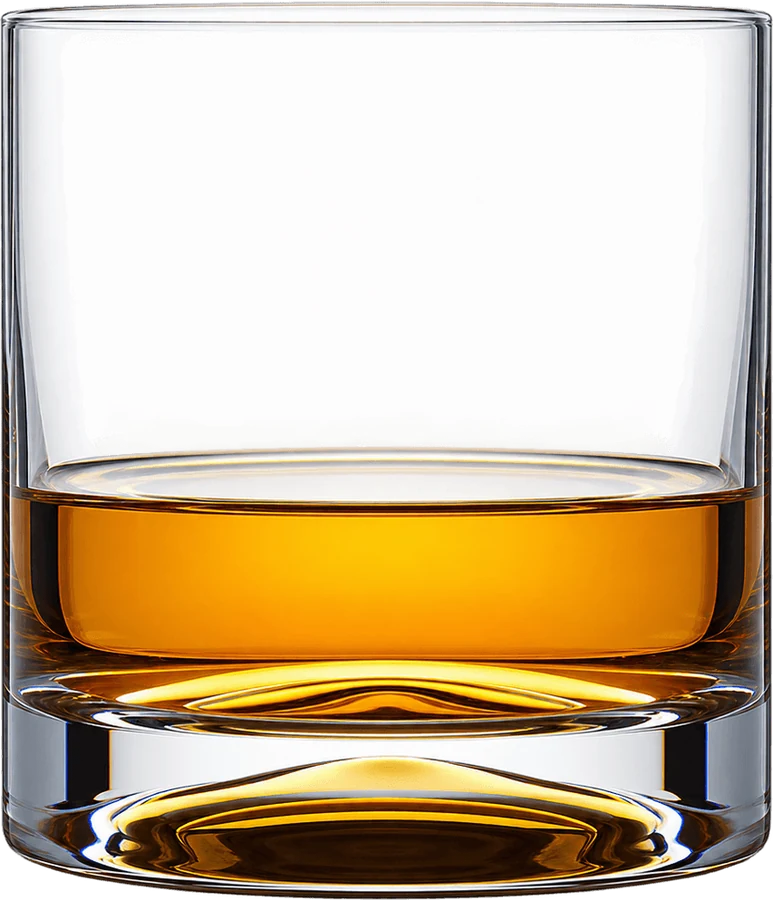
Neat, or with a few drops of water
For single malts and anything at cask strength. Water opens whisky above about 46 percent noticeably, so add a little before deciding what you think of it.
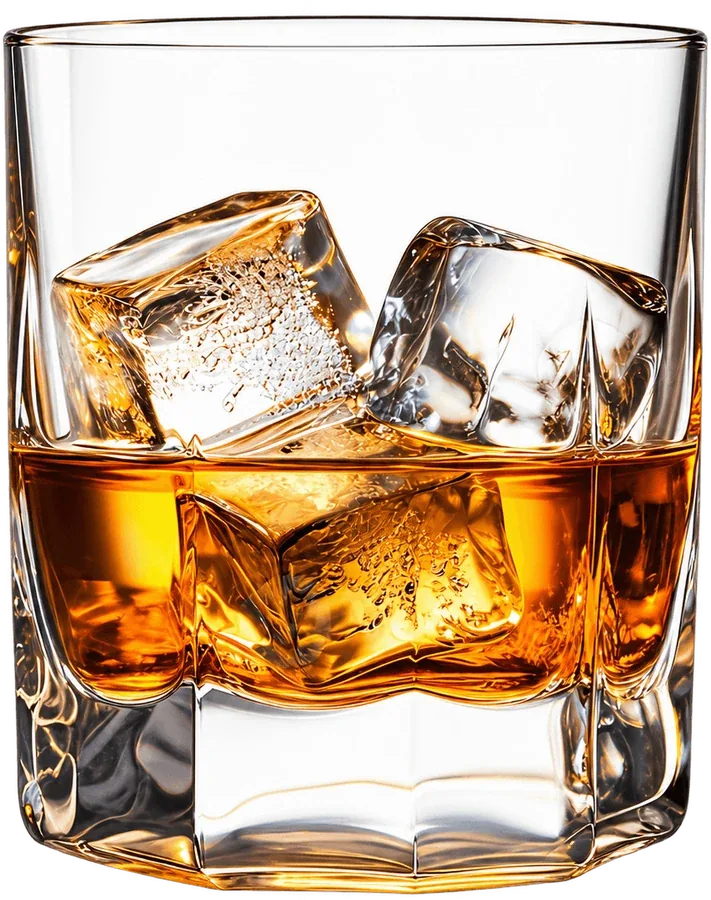
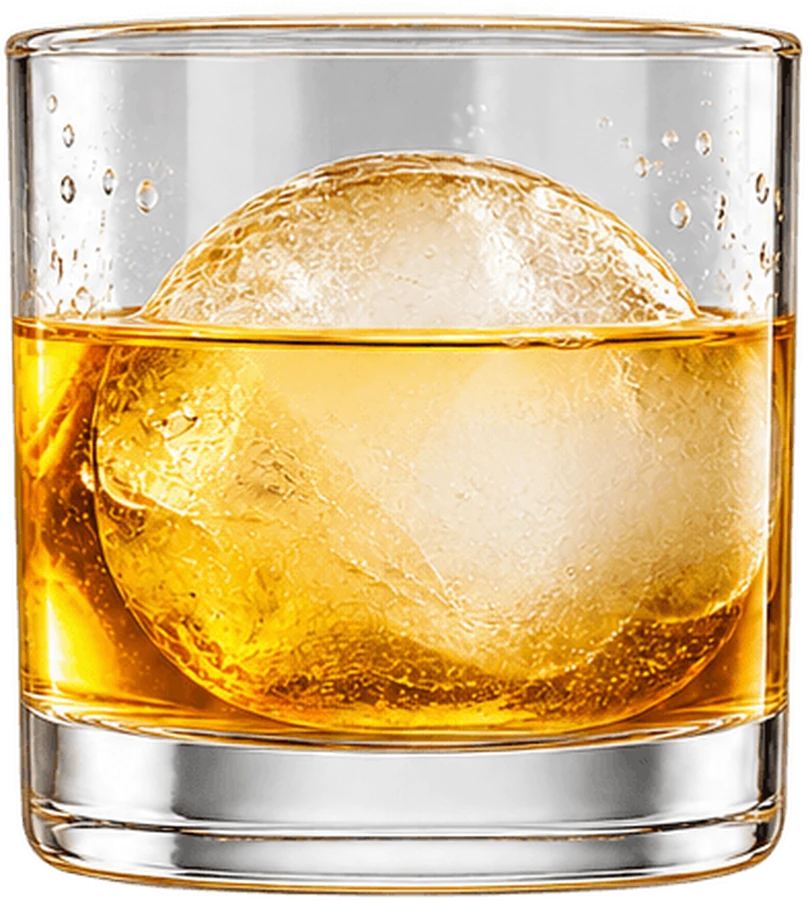
On ice
One large piece rather than several small ones, so it dilutes slowly. The hand carved sphere is theatre, but the principle behind it is sound.
We have a handful of cocktails written up as well, each with the style of whisky it wants.
Where to start
Prices below are whatever the cheapest Australian retailer we track is charging today, so they move. The bottles are picked for being a good introduction rather than for being cheap on the day.
If you are starting from scratch
Buy a blend first. It is what the category is actually built on, it is the cheapest way to find out whether you like a producer's house style, and it makes a good highball while you decide.
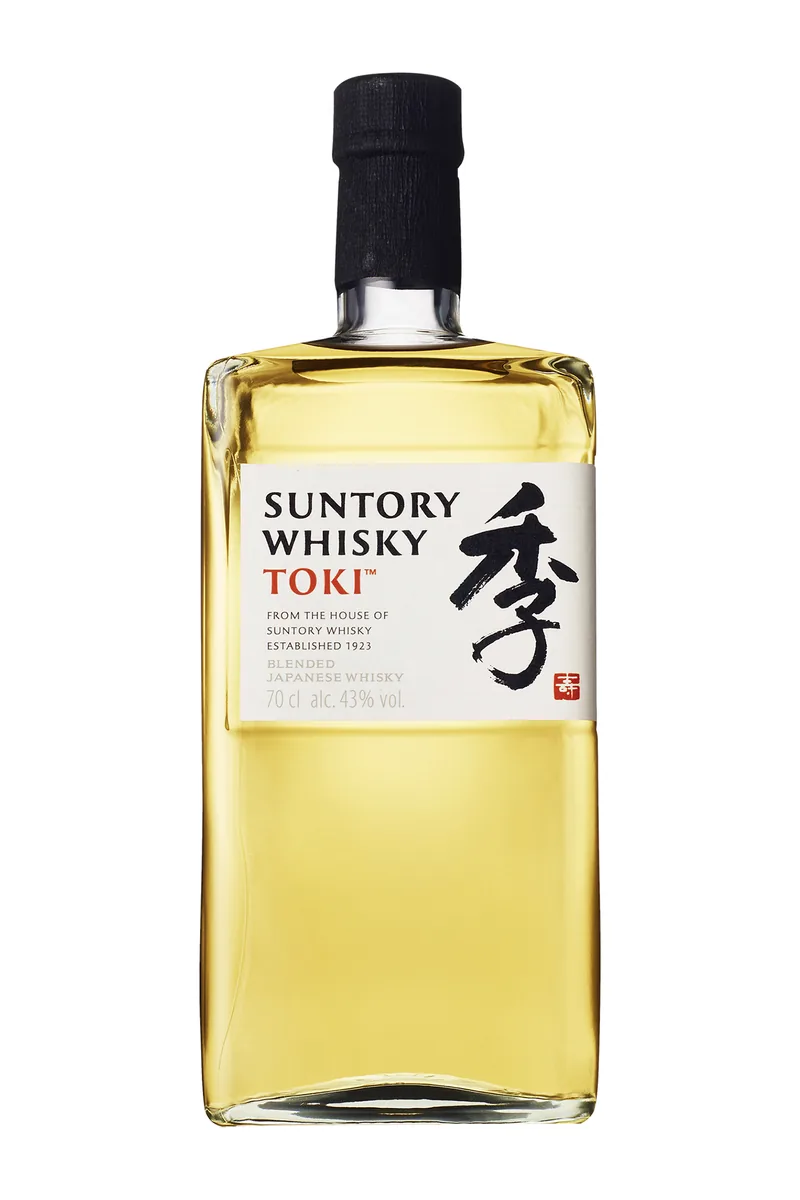
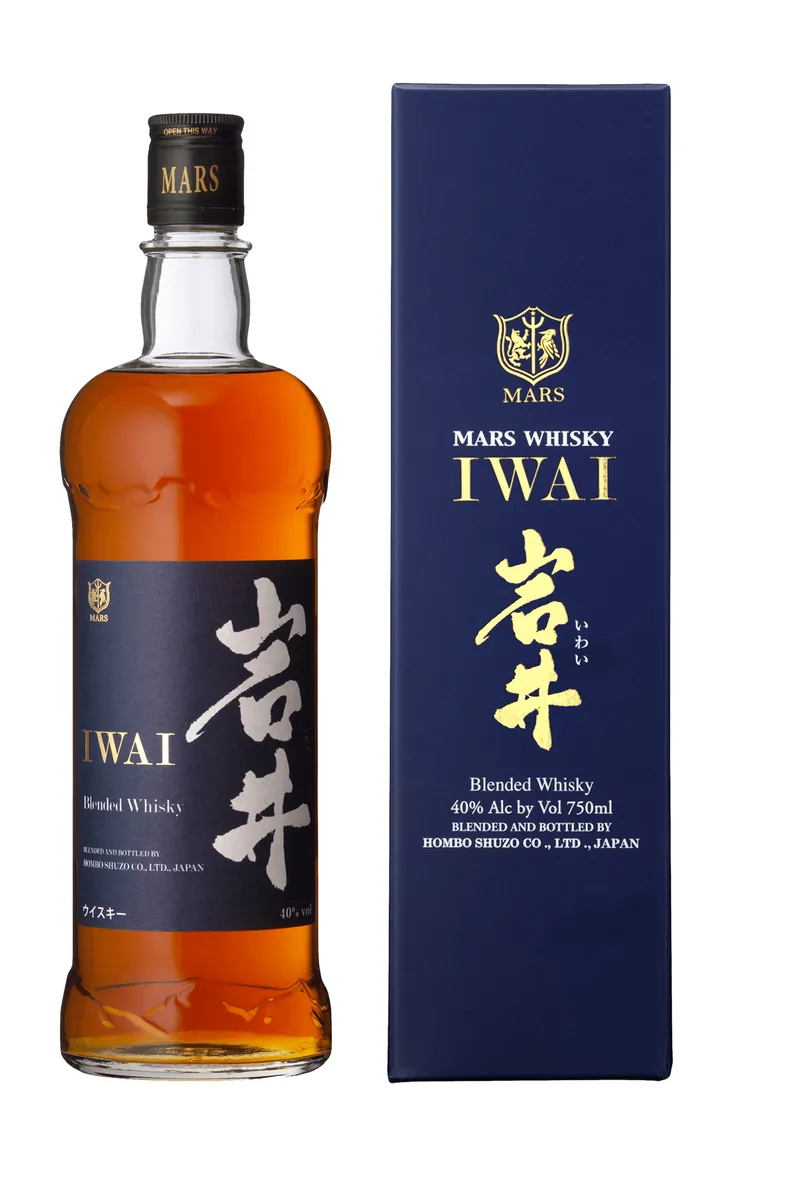

Every bottle an Australian retailer is currently selling for less than $100, in stock, is collected on one page: Japanese whisky under $100.
Your first single malt
Hakushu and Miyagikyo are the two easiest to like, and between them they show the split between the light, green house style and the richer one. Akashi is usually the cheapest way to try a Japanese single malt at all.
Best value in the category
Nikka From The Barrel has been the answer to this question for years. Coffey Grain is the other one: grain whisky is unfashionable, which keeps it affordable.
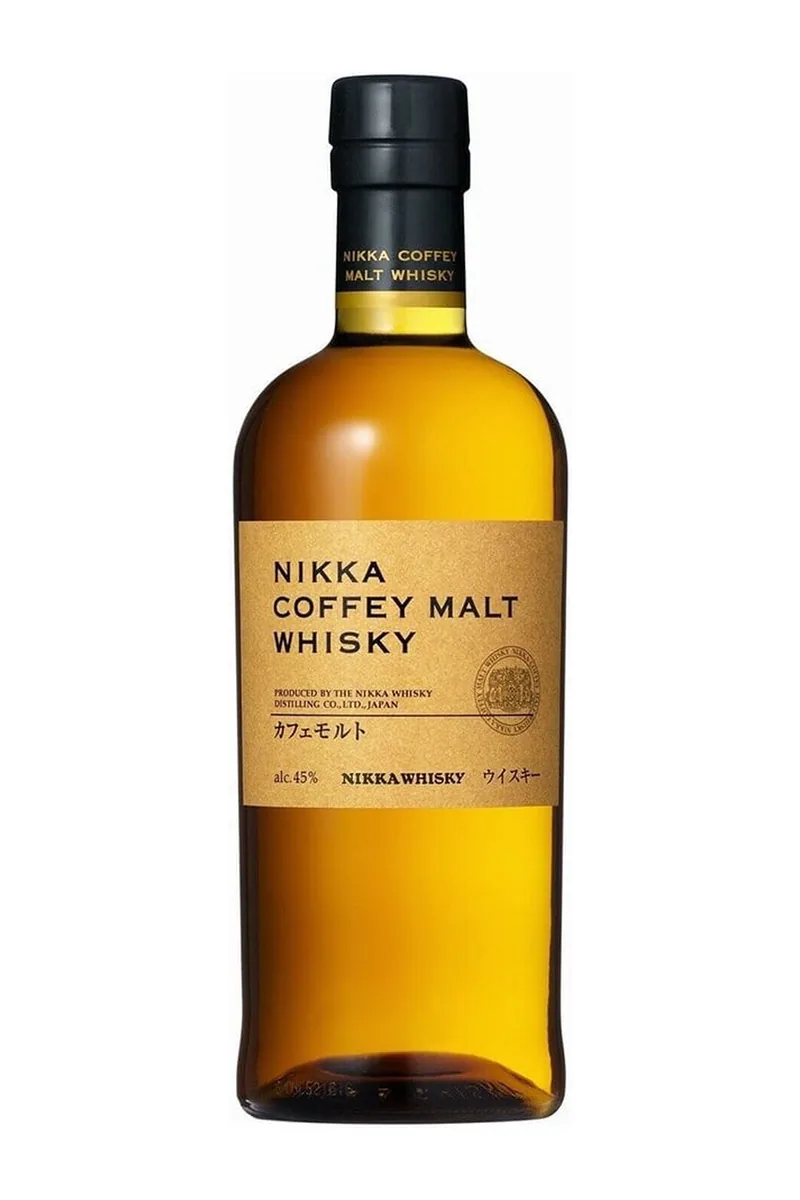
When you want to spend properly
The new distilleries are where the interest is. Chichibu releases are small and go quickly, Akkeshi is doing the most distinctive peated whisky in Japan, and both are worth more of your attention than another bottle from the big two at a collector's price.
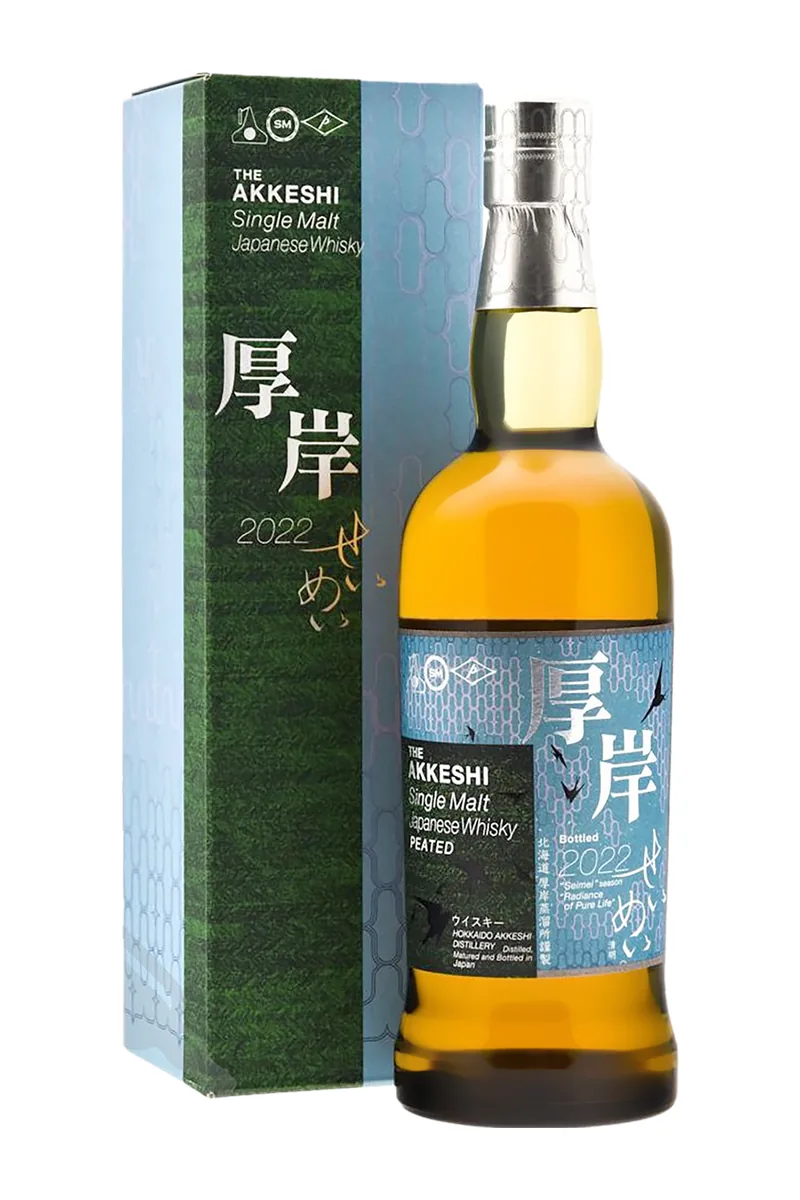
Whatever you are after, the full catalogue sorts by price, age, style and what is actually in stock, and every bottle keeps its price history so you can see whether today's number is any good.
Glossary
- Angel's share
- The whisky that evaporates out of the cask while it matures. Larger in Japan than in Scotland because the temperature swings are wider.
- Blended malt
- Malt whisky from more than one distillery, with no grain whisky in it. Older Japanese bottles may call this pure malt.
- Cask strength
- Bottled at the strength it came out of the cask, without dilution. Usually somewhere between 50 and 60 percent.
- Coffey still
- A continuous column still of a nineteenth century design. Nikka uses a pair brought over from Scotland to make its grain and Coffey malt whiskies.
- Highball
- Whisky and cold soda water over plenty of ice. The everyday Japanese serve.
- Japanese whisky
- Since 2021, a defined term under a voluntary industry standard: distilled, matured and bottled in Japan, three years minimum. Producers outside the association are not bound by it.
- Mizunara
- Japanese oak. Porous, awkward to work, slow to give anything back, and the source of the sandalwood and incense character the category is known for.
- Mizuwari
- Whisky cut with still water over ice, stirred. Usually about one part whisky to two of water.
- NAS
- No age statement. A bottle with no age on the label, which says nothing about quality on its own but became the norm when stock ran short.
- Single blended
- Malt and grain whisky blended together, all of it from the same distillery. Mostly a Japanese term.
- Single malt
- Malted barley only, pot distilled, all from one distillery. Not one cask.
- World blend
- A blend that includes whisky distilled outside Japan. Legitimate, and stated honestly on good bottles.
Prices on this page come from the Australian retailers we check every day. Stock and pricing move constantly, so treat each number as of the time shown on its card. More about how the site works.