
Prices
Prices and stock come from each retailer's website. Check with the store before you buy.
About
What it is
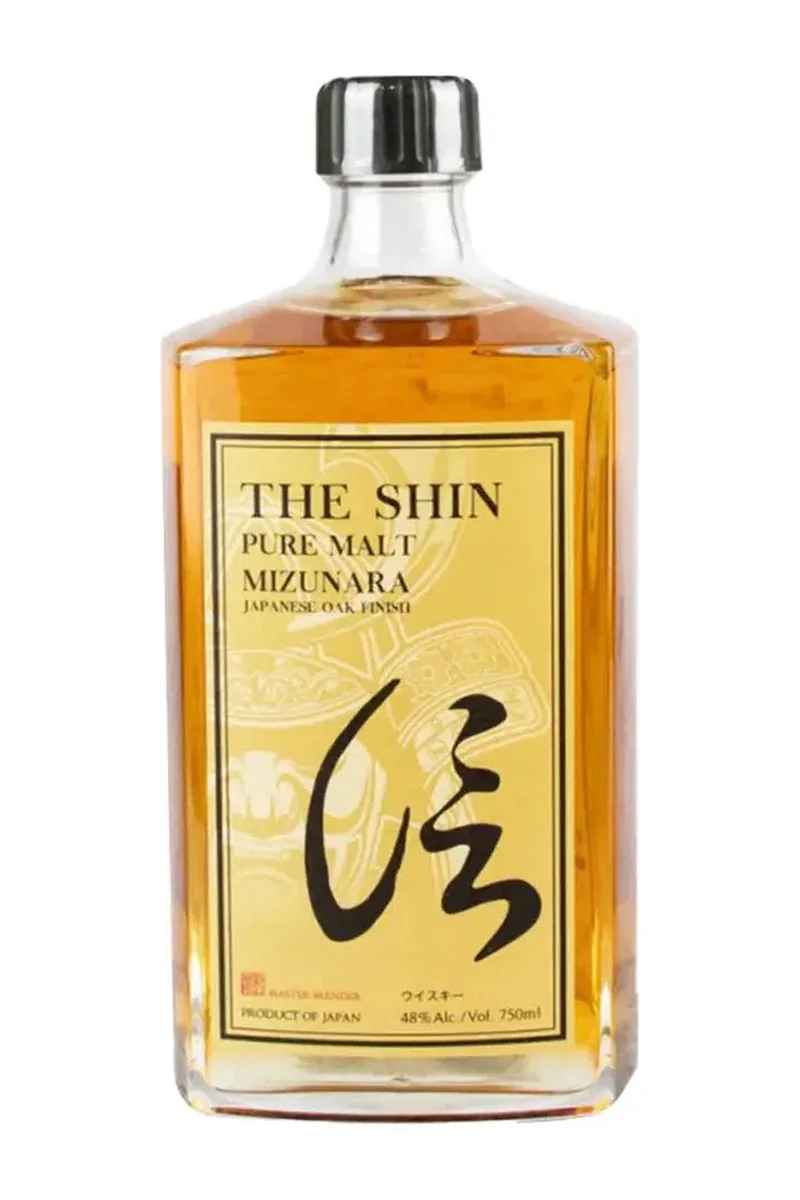
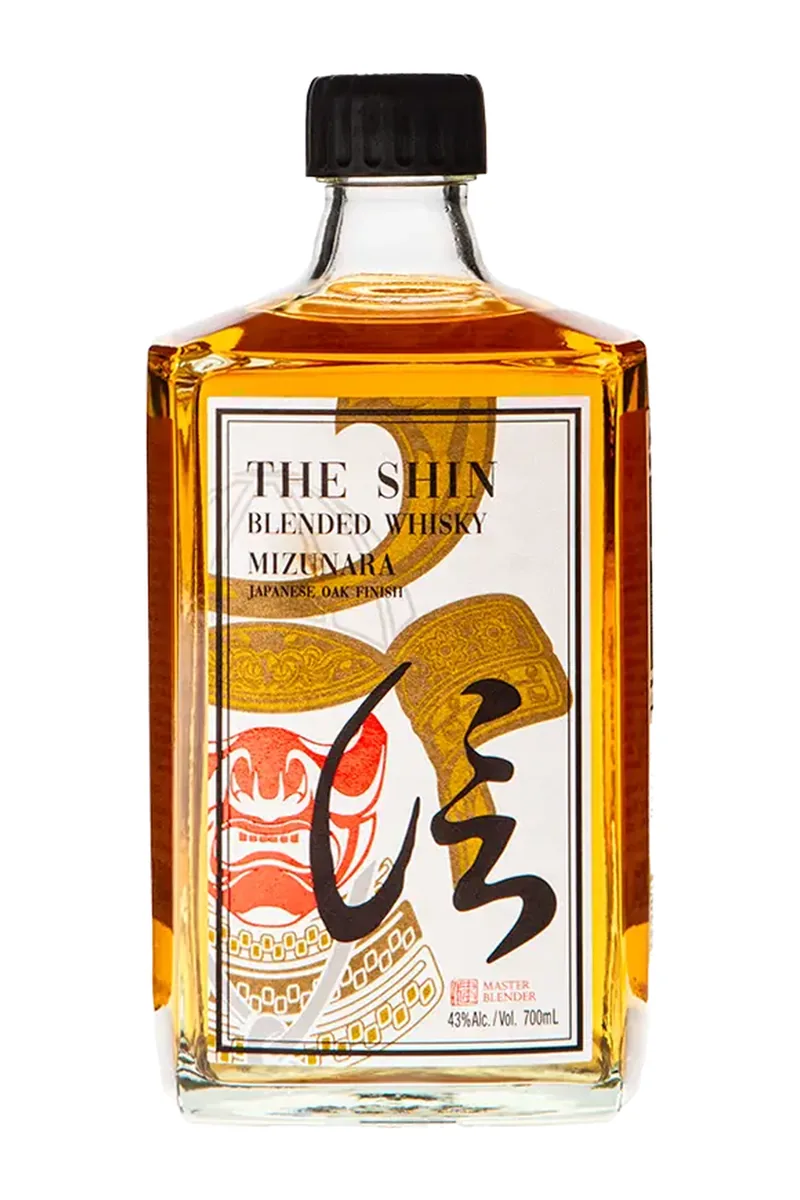
The core blended whisky in the Shin range, from Shin Group, the company behind Shinobu and the distributor of Akashi. A blend of malt and grain, matured in ex-sherry and ex-bourbon casks and finished in Japan.
Where it comes from
Shin Group states that its whiskies are built by selecting stock from distilleries around the world, then matured and finished in Japan. That places it outside the Japan Spirits and Liqueurs Makers Association standard, which requires distillation in Japan.
The company doesn't obscure this. What creates the confusion is the retail end, where a Japanese brand name and Japanese finishing get collapsed into Japanese whisky on a shelf tag. The category has a lot of this, and the fix is reading the producer's own words rather than the retailer's.
How it's made
Base spirit is matured abroad in ex-sherry and ex-bourbon casks, then brought to Japan for finishing and bottling. The Shin range sits alongside Shinobu, run on the same principle by master blender Ken Usami, who came to whisky from brewing in Niigata. The sources aren't named, which is standard practice for this kind of blend.
What to expect
Soft and accessible. Malt sweetness with vanilla and dried fruit from the base casks, a little spice, and a clean finish. It's built to be easy rather than challenging, and it does that well enough. Works in a highball.
How it compares
Against The Shin Mizunara Oak Finish, that version gets the Japanese oak treatment and reads more distinctly Japanese for it. Against Shinobu Blended Mizunara, same company and same approach under a different brand. Against Hatozaki Pure Malt or Amahagan World Malt, those are all-malt versions of a similar idea and generally have more going on. Against Suntory Toki at a comparable price, Toki is actually Japanese whisky under the standard.