
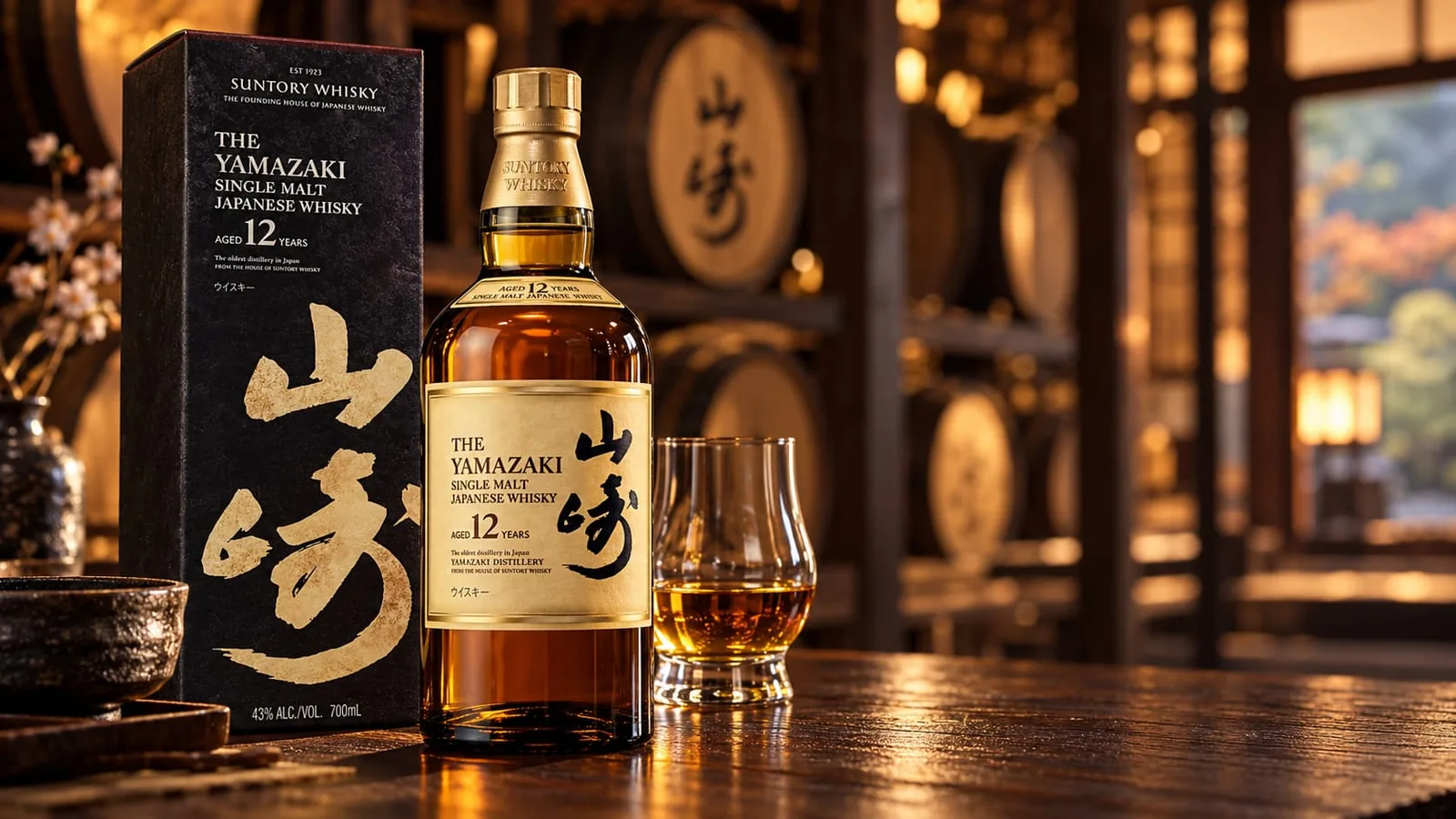
You walk into a bottle shop, spot a Yamazaki 12 on the top shelf, clock the price and quietly put your wallet away. Fair enough. A 12 year old Scotch might cost you half that. So what's going on?
It's not one thing. It's a pile of things, and Australians get hit with an extra one on top.
They stopped making enough of it 30 years ago
This is the big one. Through the 80s and 90s, Japanese drinkers fell out of love with whisky. They moved on to beer, shochu and imported stuff, so the distilleries did what any business would. They made less.
Problem is, whisky is a long game. The 12 year old you're buying today went into the cask around 2014. The 18 year old, 2008. A lot of the spirit that should be sitting in warehouses for today's aged bottles never got made. You can't fix that with a bigger factory. You fix it by waiting.
Then the whole world wanted some
Right when stocks were thin, Japanese whisky got famous. Jim Murray's Whisky Bible 2015 named the Yamazaki Sherry Cask 2013 the best whisky in the world, and not one Scotch made the top five. That was the starting gun.
Around the same time, a TV drama about Nikka's founder called Massan kicked off a whisky revival in Japan, and highballs took over every izakaya. Demand jumped at home and overseas at once. Supply didn't.
The age statements started vanishing
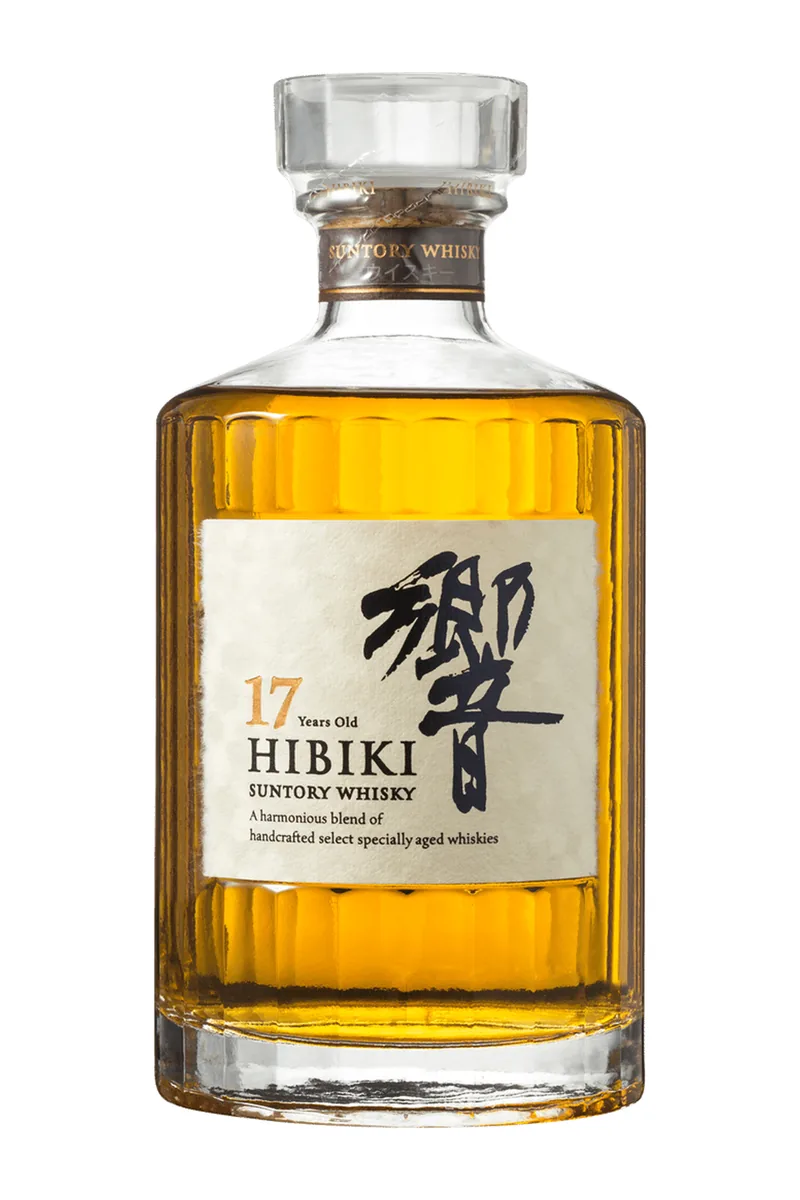
When you run out of old whisky, you stop selling old whisky. In 2018 Suntory pulled Hakushu 12 and Hibiki 17 to rebuild stock. Hibiki 12 had already gone in 2015.
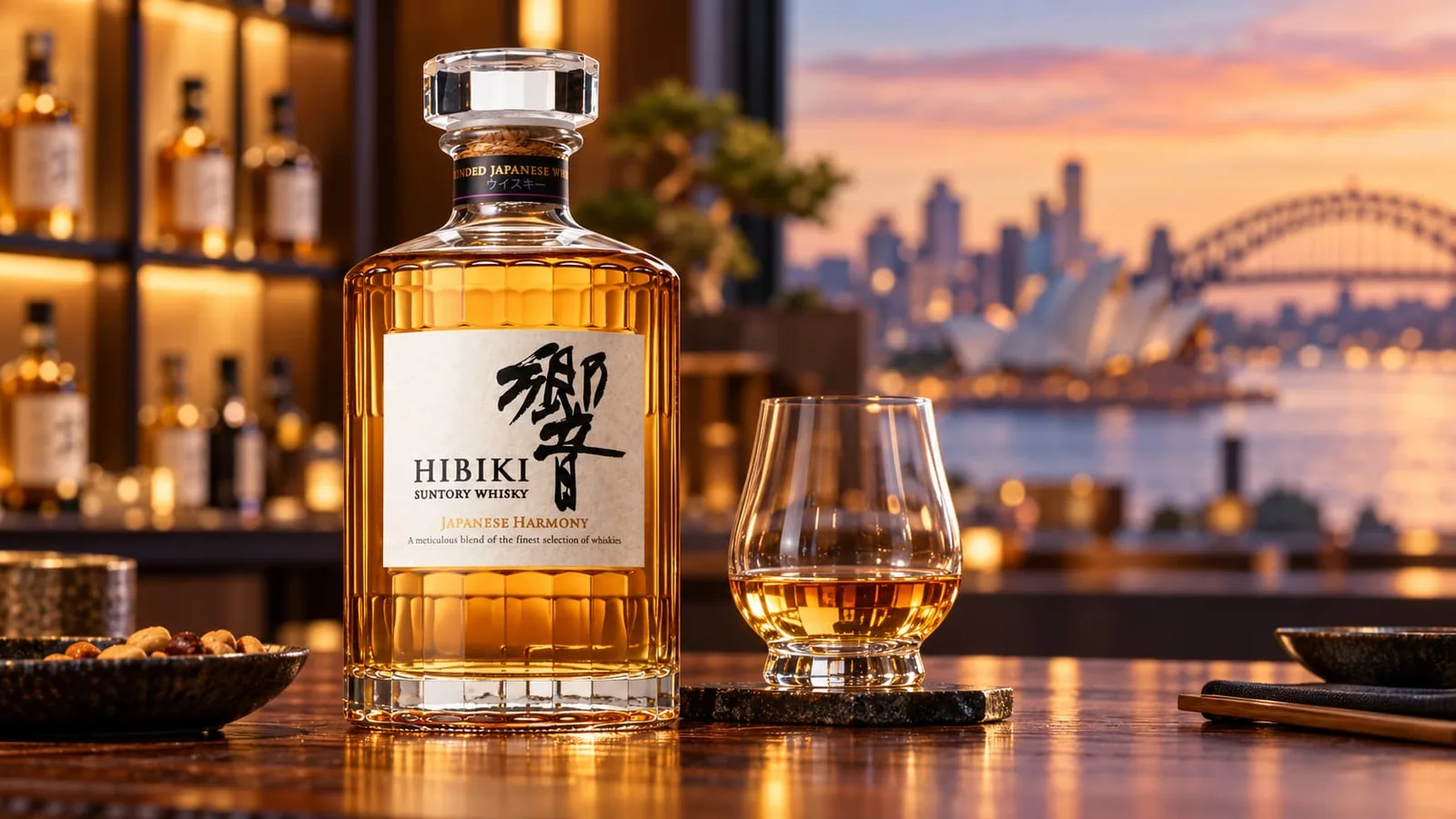
In their place came no-age-statement bottles like Hibiki Harmony and Yamazaki Distiller's Reserve. Good drams, but not the same thing. And whatever aged stock was left got scarcer and dearer. (Hibiki 12 has only just made a comeback overseas, which tells you how long this takes.)
The distillers put their prices up. A lot.
From April 2024, Suntory raised prices on its premium Japanese whiskies by 20% to 125%. Yamazaki 12 and Hakushu 12 went up about 50% in Japan. The 25 and 30 year olds more than doubled, from ¥160,000 to ¥360,000 a bottle.
Suntory said the money would go into quality and distillery upgrades, and dearer grain, packaging and freight didn't help. Whatever the reason, when the price in Japan jumps by half, it lands on the shelf here too.
"Japanese whisky" now has to actually be Japanese
For years the label didn't mean much. Some brands shipped in Scotch or Canadian whisky, bottled it in Japan and slapped a Japanese name on it.
The Japan Spirits & Liqueurs Makers Association cleaned that up. Its labelling rules came into full effect in April 2024. To be called Japanese whisky, it has to be distilled, aged for at least three years and bottled in Japan, using Japanese water. Great for honesty. It also means the genuine stuff is a smaller pool, and it's priced like it.
Then there's the tax
This is the bit that stings extra in Australia. We tax spirits at one of the highest rates on the planet, beaten only by a few Scandinavian countries. Since 3 August 2026 it's $110.15 per litre of pure alcohol, and it goes up automatically every February and August.
Do the maths on a 700ml bottle at 43%, which is where most Suntory bottles sit. That's about $33 in tax before anyone's made a cent, and GST goes on top of the lot. Imported spirits pay the same rate as customs duty, so Japanese whisky doesn't get a free pass.
The flippers didn't help
Once bottles got hard to find, resellers moved in. Buy at RRP, list it online for double. Ballots, allocations and "one per customer" signs became normal.
That bubble has let out a fair bit of air. Whiskystats tracked Japanese whisky resale values falling more than 70% from their April 2022 peak. The seriously rare stuff still sets records (a Yamazaki 50 went for over €900,000 in Hong Kong in May 2026), but the everyday flipper markup is a lot harder to justify now.
So how do you not get stung?
- Drink the no-age-statement stuff. Hibiki Harmony, Nikka Days and Suntory Toki are made for exactly this and priced like normal whisky.
- Look past the big two. Newer distilleries like Chichibu, Kanosuke and Akkeshi are turning up on Aussie shelves more often.
- Don't pay flipper prices for core bottles. If a retailer normally ranges it, it'll come back in stock.
- Check the label. If you want the real deal, look for "Japanese Whisky" under the JSLMA rules, not just a Japanese-sounding name.
- Compare before you buy. The same bottle can swing a long way between retailers. That's exactly why we built Banshaku: it tracks Japanese whisky prices across Aussie stores so you don't have to.
Japanese whisky isn't overpriced so much as under-made. As the casks laid down during the boom come of age, things should ease. Until then, shop around.
Sources
- The Spirits Business: Is Japanese whisky a victim of its own success?
- Smithsonian: Why there's a Japanese whisky shortage
- Robb Report: Hibiki 12 is back
- The Spirits Business: New challenges for Japanese whisky
- FoodNavigator: Suntory price hikes
- House of Suntory: Japanese whisky definition
- ATO: Excise duty rates for alcohol
- The Spirits Business: Australia spirits excise rise, August 2026
- Whisky Monkeys: Whisky takes a beating at auction
- Scotch Whisky Investments: Half-year update 2026