
Japanese whisky is easy to overpay for. The good stuff is scarce, the labels are full of Japanese writing most of us can't read, and the same bottle can sit a hundred dollars apart in two shops a suburb away. None of that is a scam on its own. Put together, it means a lot of people pay more than they need to, or pay Japanese whisky prices for something that isn't.
Here's how to not be one of them. Every price below is from our own checks of 13 Australian retailers on 28 September 2026, and the panel beside this piece shows them as they are today.
Read the label before the price tag
Until recently, "Japanese whisky" on a label meant almost nothing. Plenty of brands shipped in bulk whisky from Scotland or Canada, bottled it in Japan and sold it with a Japanese name.
The Japan Spirits & Liqueurs Makers Association (JSLMA) fixed that with a labelling standard announced in 2021, which its members had to follow for everything bottled from 1 April 2024. To be called Japanese whisky under it:
- It has to be made from malted grain, which can be joined by other cereals.
- The mashing, fermenting and distilling all happen at a distillery in Japan, with water drawn in Japan.
- It's aged at least three years in wooden casks, in Japan.
- It's bottled in Japan, at 40% or more.
Members also can't dress up a whisky that fails those rules with Japanese names of people or places, or with the Japanese flag. In 2025 the JSLMA added a round "JW" logo to mark whisky that qualifies, and said it plans to register Japanese whisky as a geographical indication so the rules carry legal weight.
The catch is that the standard is voluntary and only binds JSLMA members. It's the best test there is, but a Japanese-looking label from outside the association doesn't have to follow it.
A great bottle can still fail the test
This is the part that surprises people. Nikka From The Barrel is one of the best value whiskies you can buy, and it isn't "Japanese whisky" under the standard. Nikka says so itself: the blend includes imported whisky, reported to come from Ben Nevis, the Scottish distillery Nikka has owned since 1989. Nikka doesn't list its Black Nikka blends as meeting the standard either.
That doesn't make them bad buys. From The Barrel is still $69.99 to $89.99 and still tastes like it should cost more. It just means you should know what you're getting, and not pay a premium for the word "Japanese".
Each bottle page on this site carries a Japanese Whisky Standard line. It says "Yes" only where the producer has said the bottle meets the standard, "No" where they've said it doesn't or that it uses imported whisky, and "Unverified" for everything else, which is still most of the catalogue. We'd rather say we don't know than guess.
Know what a fair price looks like
The single biggest trap isn't a dodgy label. It's paying the top of a wide range because the first shop you walked into happened to be the dear one. These are the everyday bottles, with the cheapest and dearest in-stock price we found across our 13 retailers, all 700ml unless noted:
| Bottle | Today's range | Shops |
|---|---|---|
| Suntory Toki | $69.99 to $89.99 | 7 |
| Nikka From The Barrel (500ml) | $69.99 to $89.99 | 8 |
| Hakushu Distiller's Reserve | $129.99 to $189.00 | 8 |
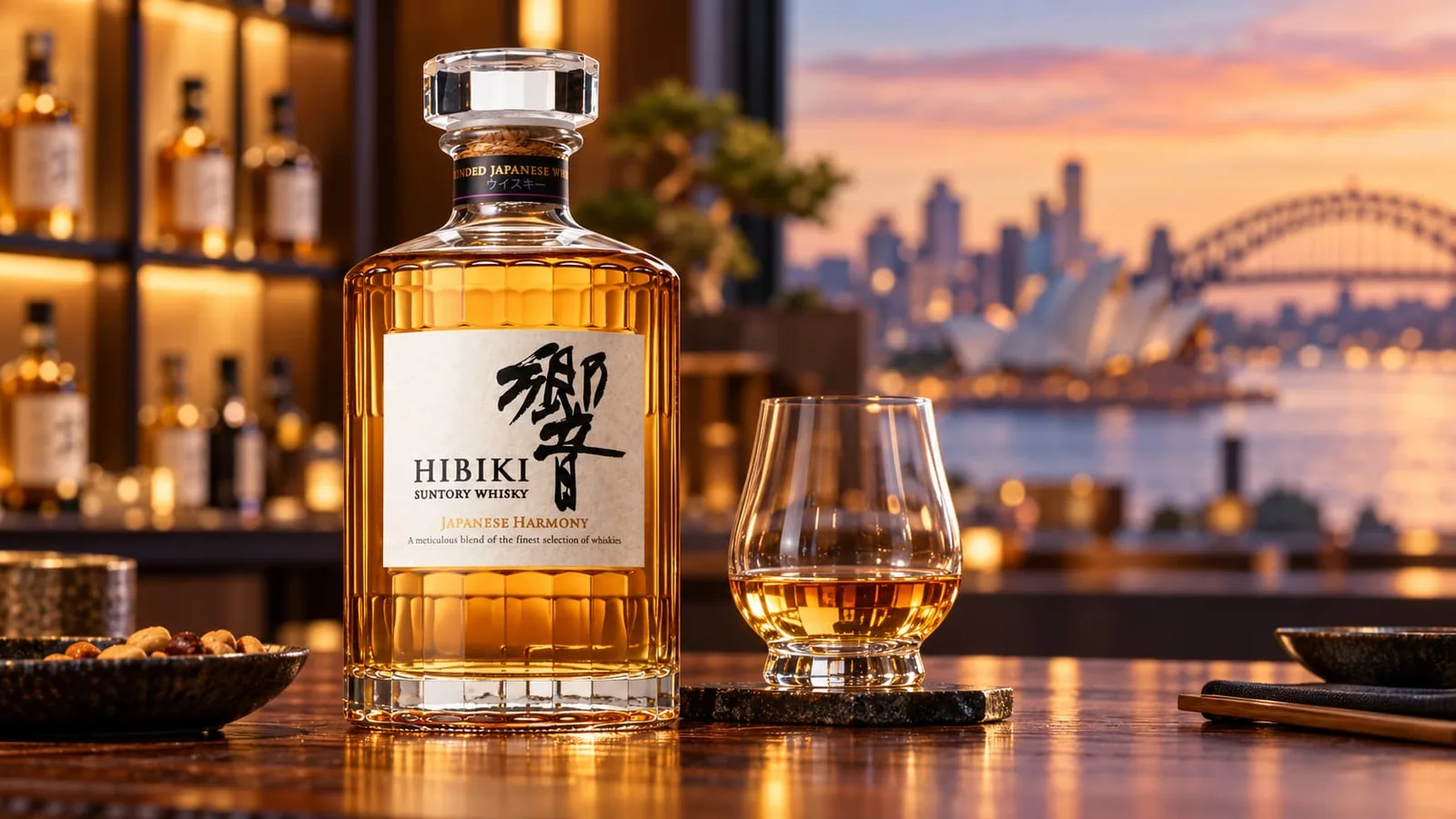
| Hibiki Japanese Harmony | $155.00 to $269.99 | 9 |
| Yamazaki Distiller's Reserve | $158.00 to $198.99 | 7 |
| Hakushu 12 Year Old | $287.00 to $418.99 | 8 |
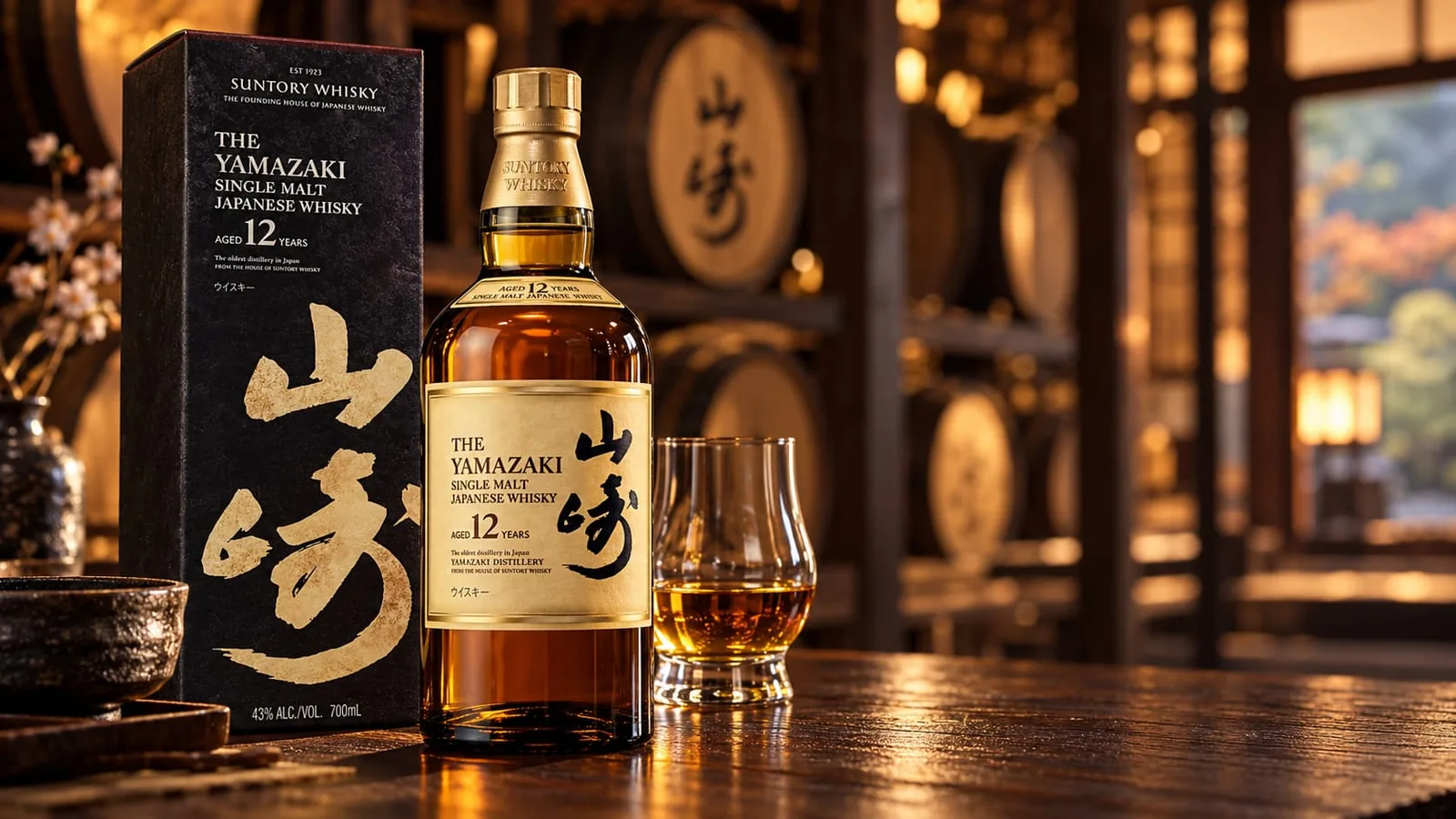
| Yamazaki 12 Year Old | $288.00 to $459.99 | 9 |
| Yamazaki 18 Year Old | $1,049.99 to $1,499.99 | 6 |
The gap grows with the price. On Toki it's $20. On Yamazaki 12 it's $171.99, for the same bottle in the same size. If the price in front of you is near the top of the range, you're not looking at the market price, you're looking at one shop's.
Don't trust the red sticker
A struck-through "was" price feels like proof of a bargain. Often it isn't. On the morning we checked, 151 listings across our retailers showed a "was" price. For 147 of them, that shop hadn't charged the "was" price once in the 11 days we'd been tracking it.
Eleven days is a short window, and some of those prices may have been real before we started watching. But the ACCC is clear about the rule: a "was" price is misleading if the item wasn't sold at that price for a reasonable period right before the sale, and a sale price that runs for ages has become the normal price. Treat the percentage off as advertising, and check what the bottle actually costs elsewhere. Our on sale page only lists a markdown when the marked-down price is also the cheapest we can find anywhere.
Check the bottle size
Japanese whisky comes in 500ml bottles far more often than Scotch does. Twenty-three of the bottles in stock across our retailers today are 500ml, and they sit on the shelf next to 700ml bottles at similar prices.
Do the maths per 100ml. Toki at $69.99 for 700ml is $10 per 100ml. From The Barrel at $69.99 for 500ml is $14 per 100ml. Both can be good buys, but a 500ml bottle at the same price is 40% dearer, and a lot of people never notice. Our price lists show the size beside every price for exactly this reason.
Be careful with "limited" and "anniversary" boxes
Special labels are where prices come loose from anything you can check. Suntory's 100th anniversary bottlings are a good example: Hakushu 12 Year Old 100th Anniversary Edition is $569.99 to $604.99, while the regular Hakushu 12 starts at $287.00.
That might be worth it to a collector. If you're buying to drink, ask what you're paying the extra for, and whether you'd notice it in the glass. The same goes for travel-retail exclusives and anything sold with "only a few left" urgency.
Age statements are worth paying for, sometimes
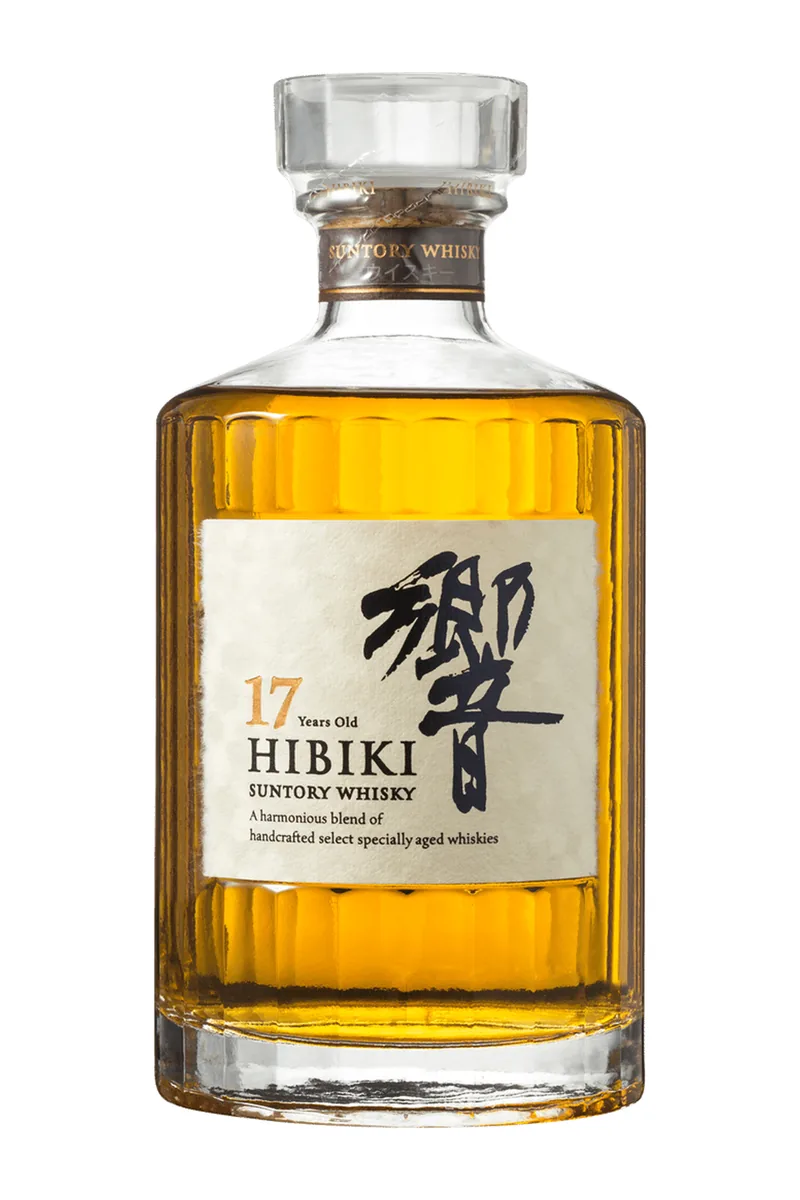
An age statement means the youngest whisky in the bottle is at least that old, and aged Japanese whisky is scarce because far less was made in the 1990s and 2000s. That's covered in Why Is Japanese Whisky So Expensive?, and it's why a 12 year old costs about double the no-age-statement bottle from the same distillery.
The no-age-statement bottles aren't a con. Yamazaki Distiller's Reserve and Hibiki Harmony are made to be the everyday version, and they're priced like it. Pay for the age if you want the depth that comes with it, not because the number looks impressive.
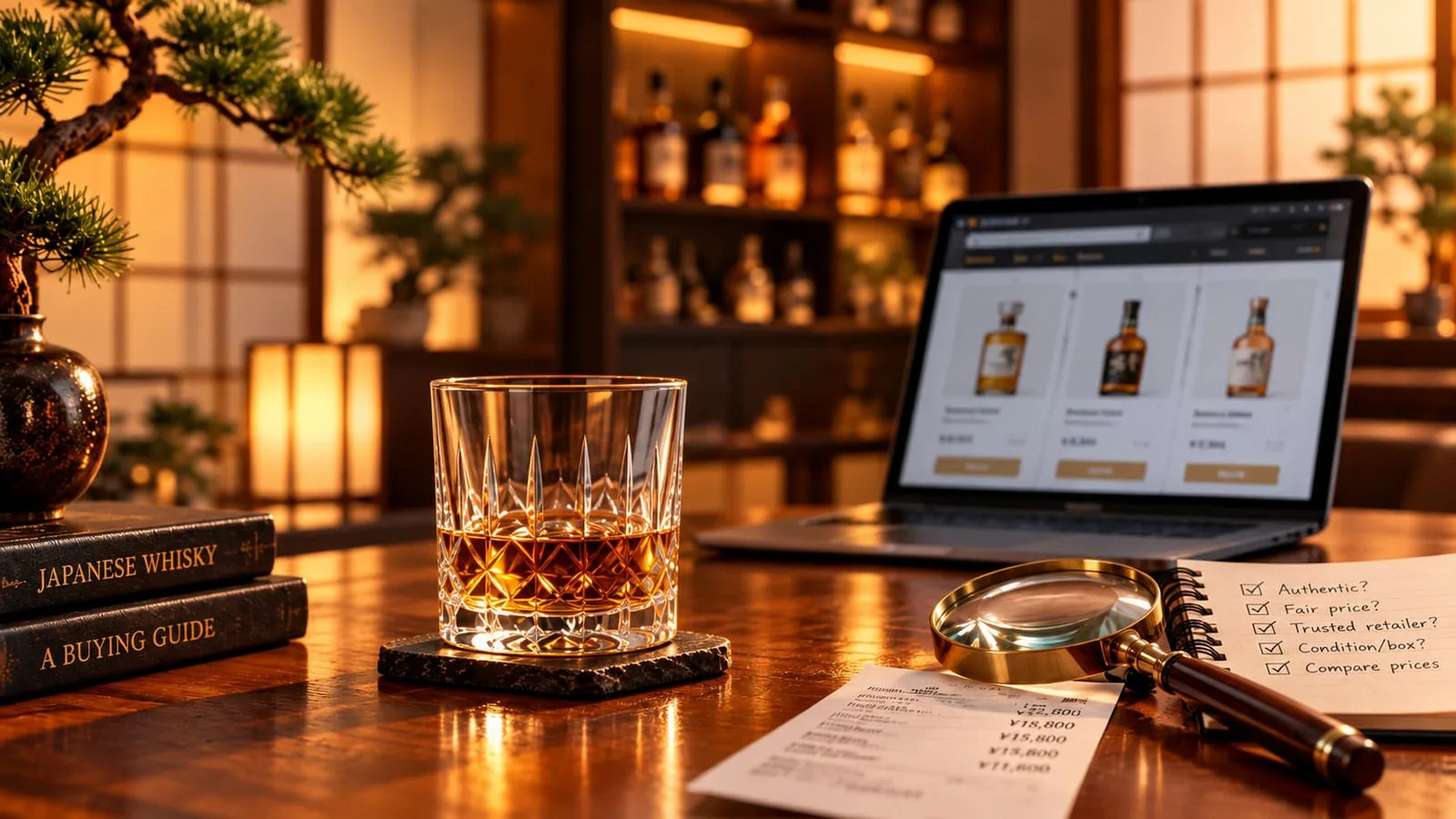
A checklist for the shop
- Check who made it. A named Japanese distillery and producer beats a Japanese-sounding brand with neither.
- Look for the standard. "Japanese whisky" from a JSLMA member, or the JW logo, means it was made, aged and bottled in Japan.
- Know the range. Check what the bottle costs across shops before you buy, not after.
- Ignore the percentage off. Compare the price, not the claimed saving.
- Check the size. Work out the price per 100ml when a 500ml bottle sits next to a 700ml one.
- Question the box. Limited editions and anniversary labels cost more; make sure that's what you want.
FAQ
How can I tell if a Japanese whisky is actually made in Japan?
Look for "Japanese whisky" from a member of the Japan Spirits & Liqueurs Makers Association, or its round JW logo. Under its standard the whisky has to be distilled, aged for at least three years and bottled in Japan, using Japanese water. A named Japanese distillery on the label is a good sign; a Japanese-sounding brand with no distillery named is worth checking.
Is Nikka From The Barrel Japanese whisky?
Not under the JSLMA standard. Nikka says the blend includes imported whisky, so it doesn't meet the definition. It's still one of the best value bottles you can buy, at $69.99 to $89.99 for 500ml.
What should Yamazaki 12 cost in Australia?
On 28 September 2026 it ranged from $288.00 to $459.99 across nine retailers with stock. Near $300 is a fair price today; well over $400 is paying for one shop's margin.
Are "was" prices on whisky real?
Sometimes. Of 151 listings showing a "was" price when we checked, 147 hadn't been sold at that price by that shop in the 11 days we'd tracked it. Compare the actual price across shops rather than trusting the saving.