

Distillery
Nikka
The Nikka Whisky Distilling Co.
Place
Yoichi
Hokkaido
- Founded
- 1934
- Setting
- Coastal, on Ishikari Bay
- Water
- Yoichi River
- Stills
- Direct coal-fired pot stills
- Character
- Peated, heavy, maritime
Masataka Taketsuru chose Yoichi because the cold, damp, salt-air coast of Hokkaido was the closest thing in Japan to the Scotland he had trained in.
Miyagikyo
Miyagi
- Founded
- 1969
- Setting
- River valley at Sakunami, near Sendai
- Water
- Nikkawa River
- Stills
- Steam-heated pot stills, plus two Coffey stills
- Character
- Light, fruity, floral
Taketsuru went looking for the opposite of Yoichi and found it in a humid valley between two rivers, where the water was soft and the air still.
29 bottles tracked, 20 in stock from $69.99 to $1,299.99 across 9 retailers.
Bottles
29 whiskies
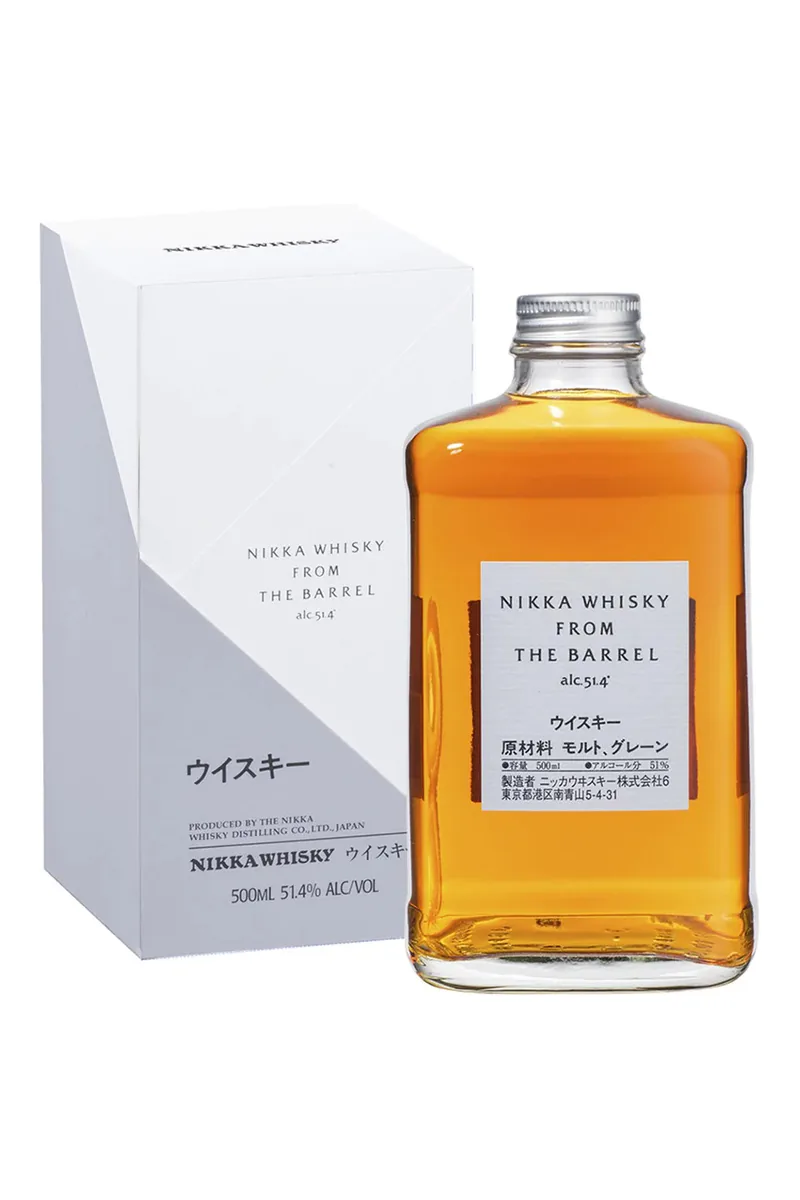
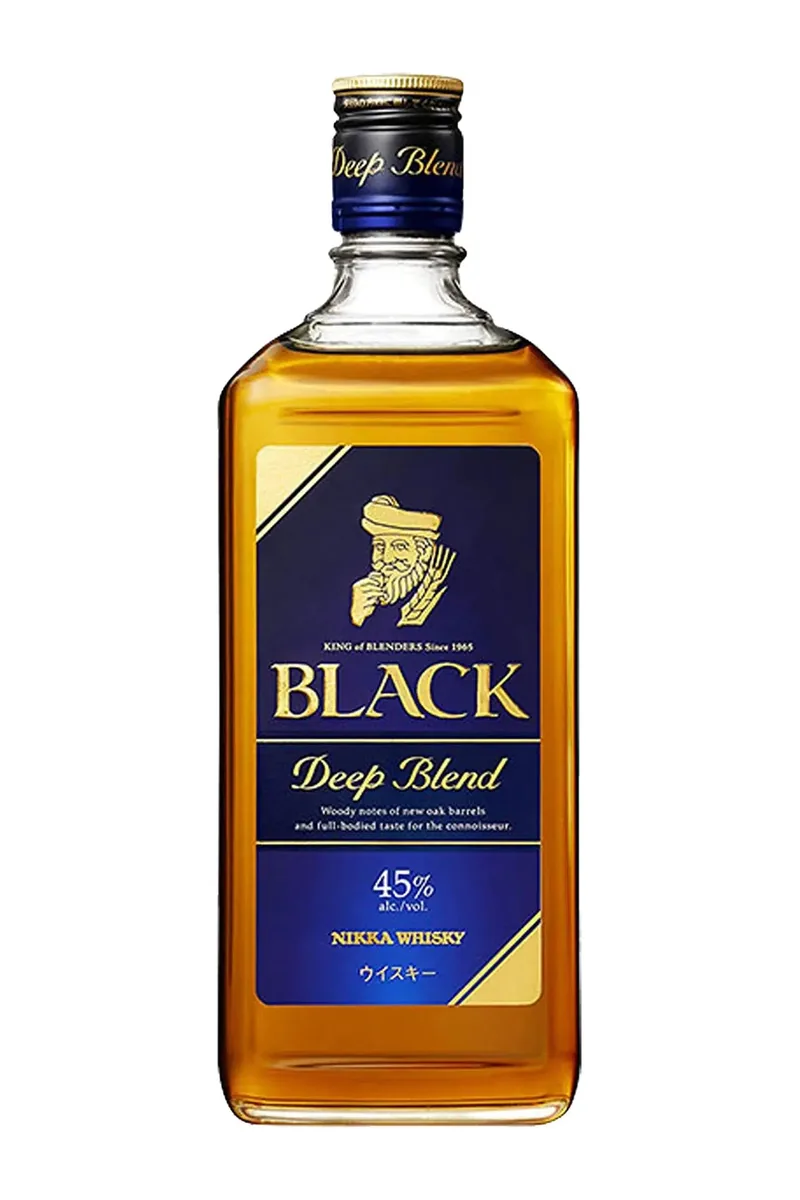
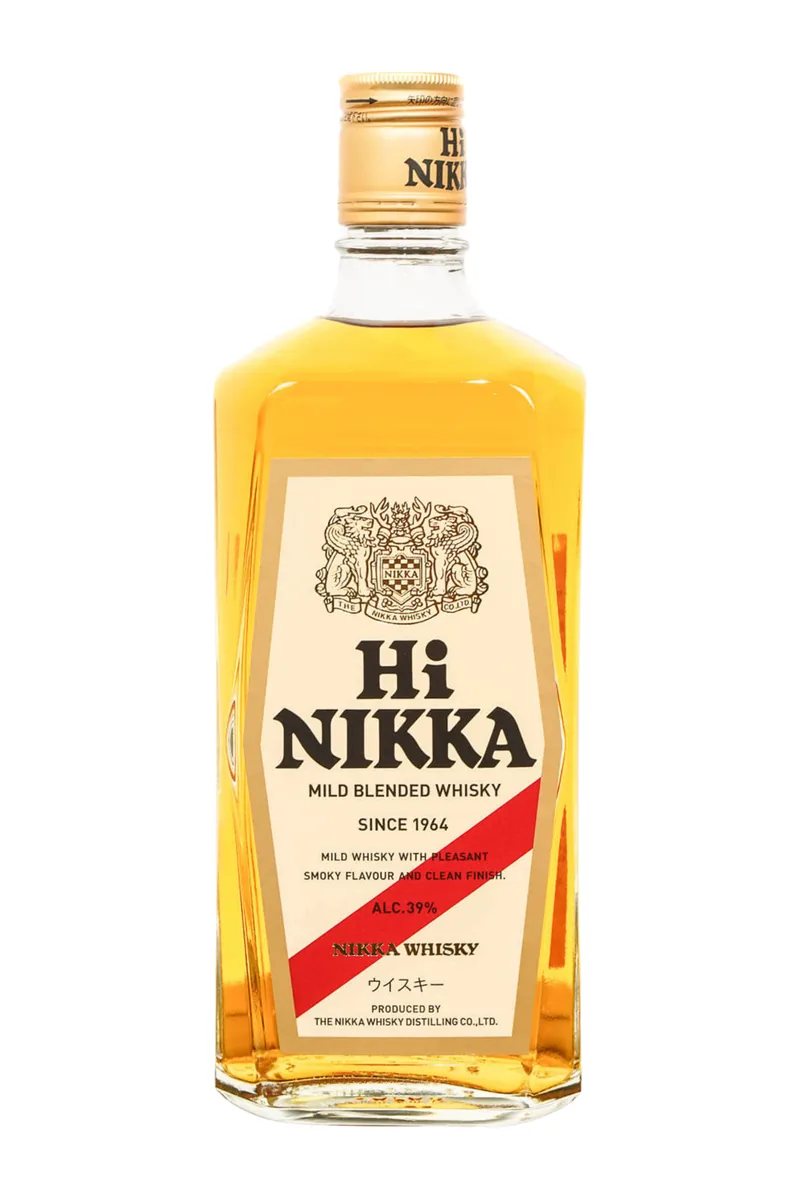
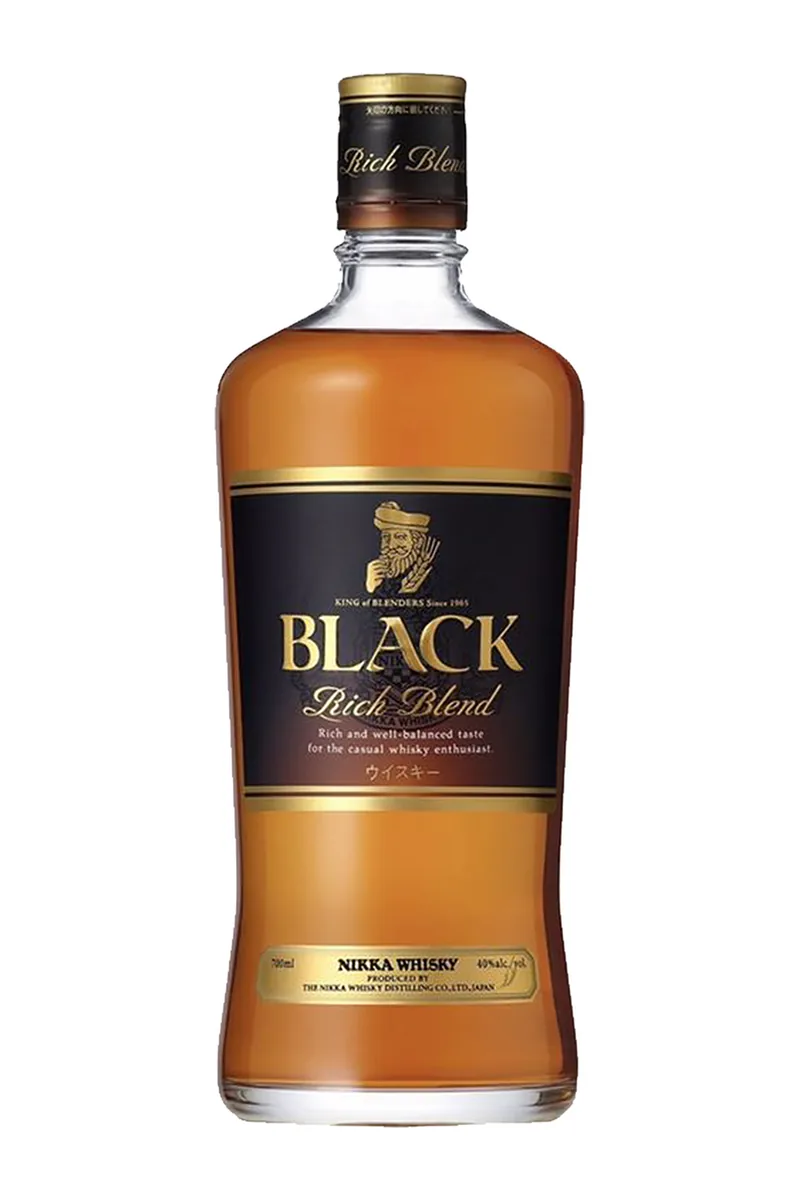
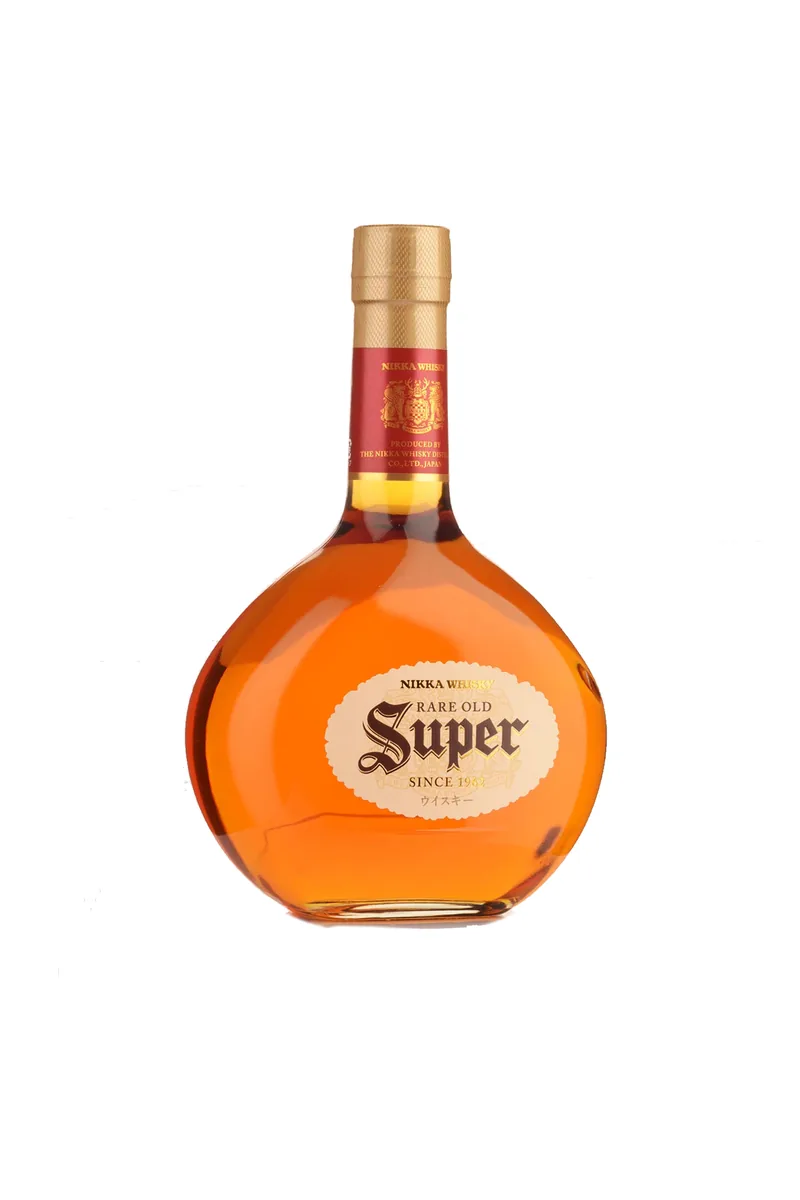
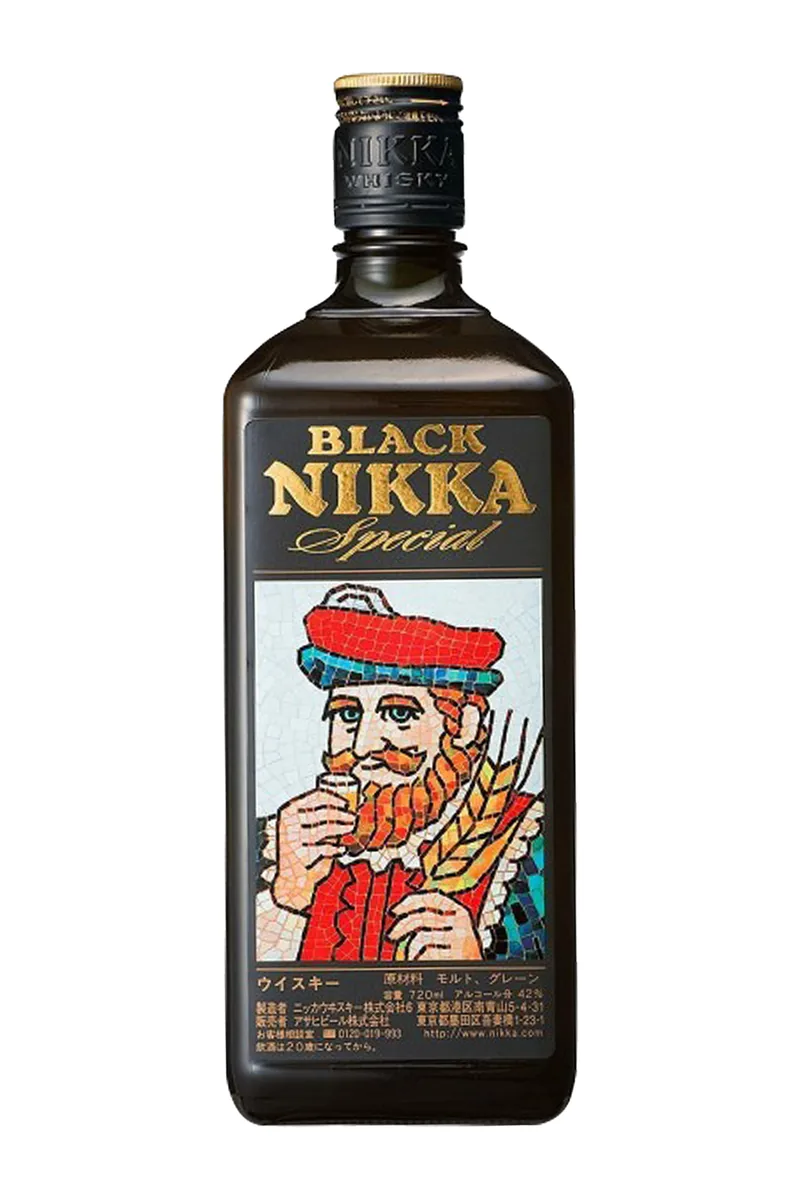
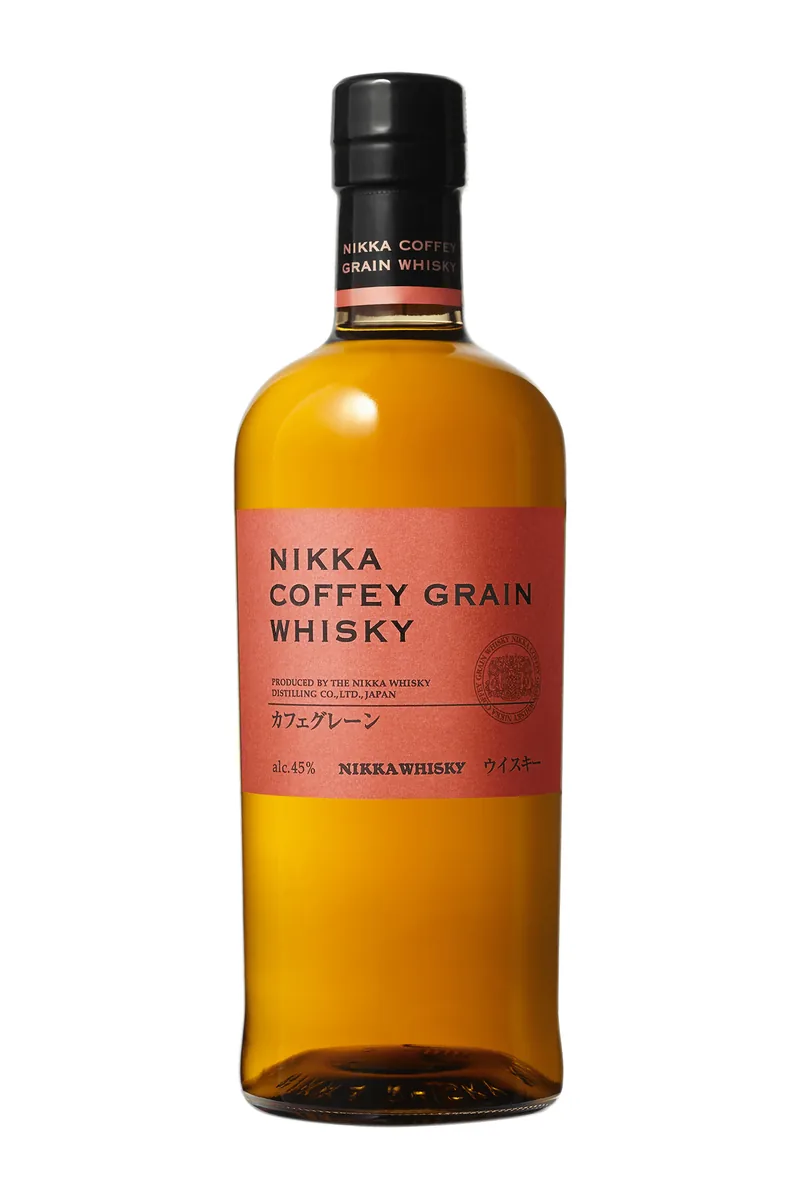
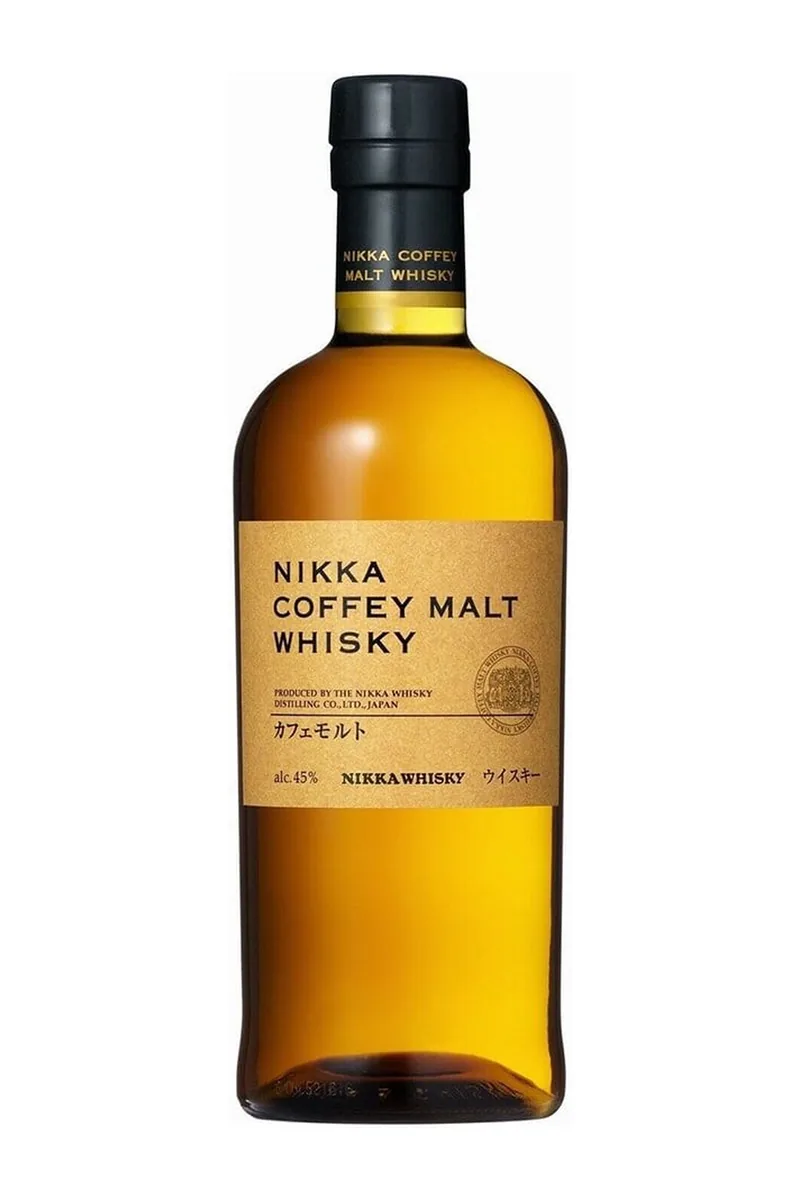
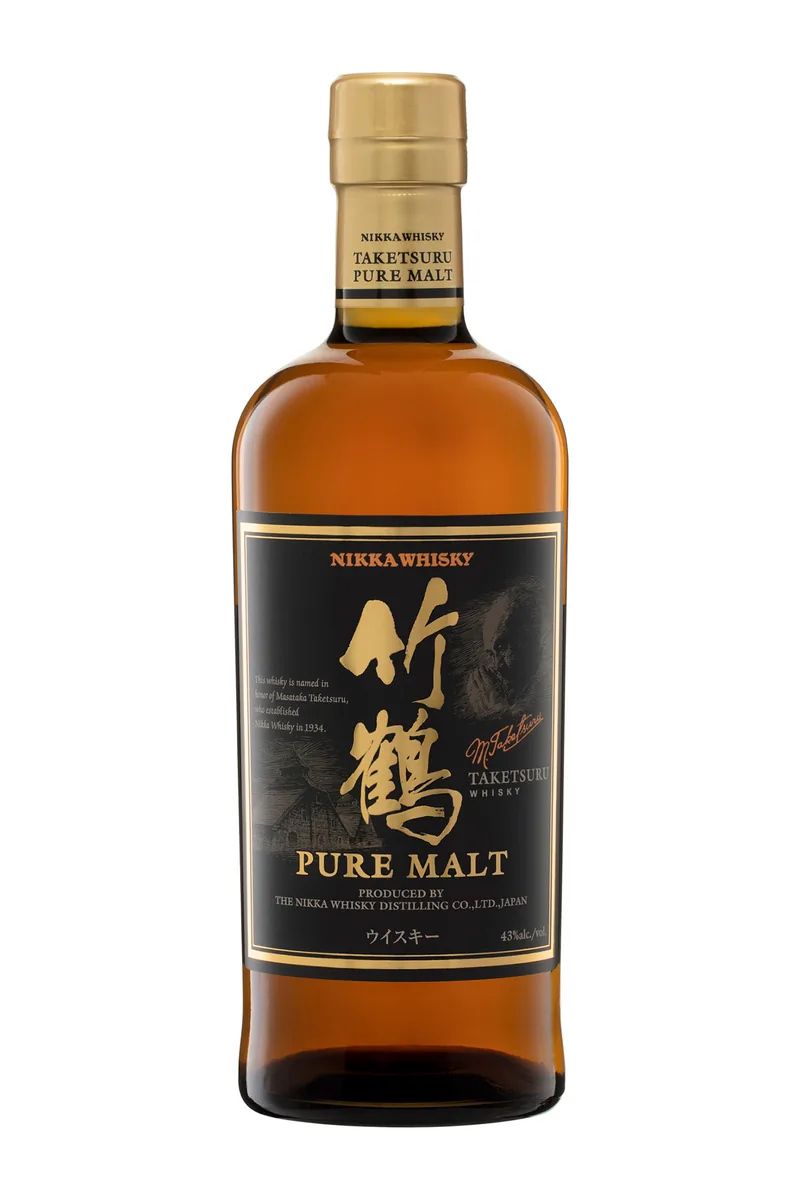
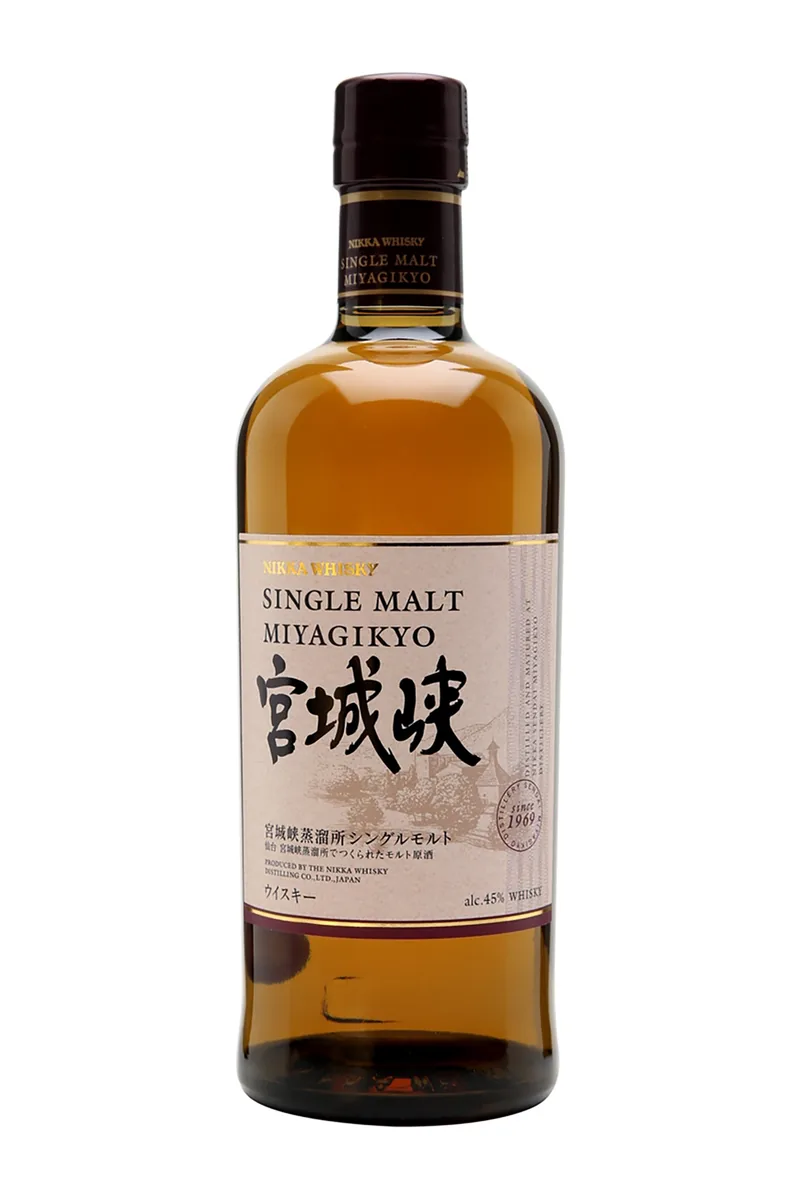
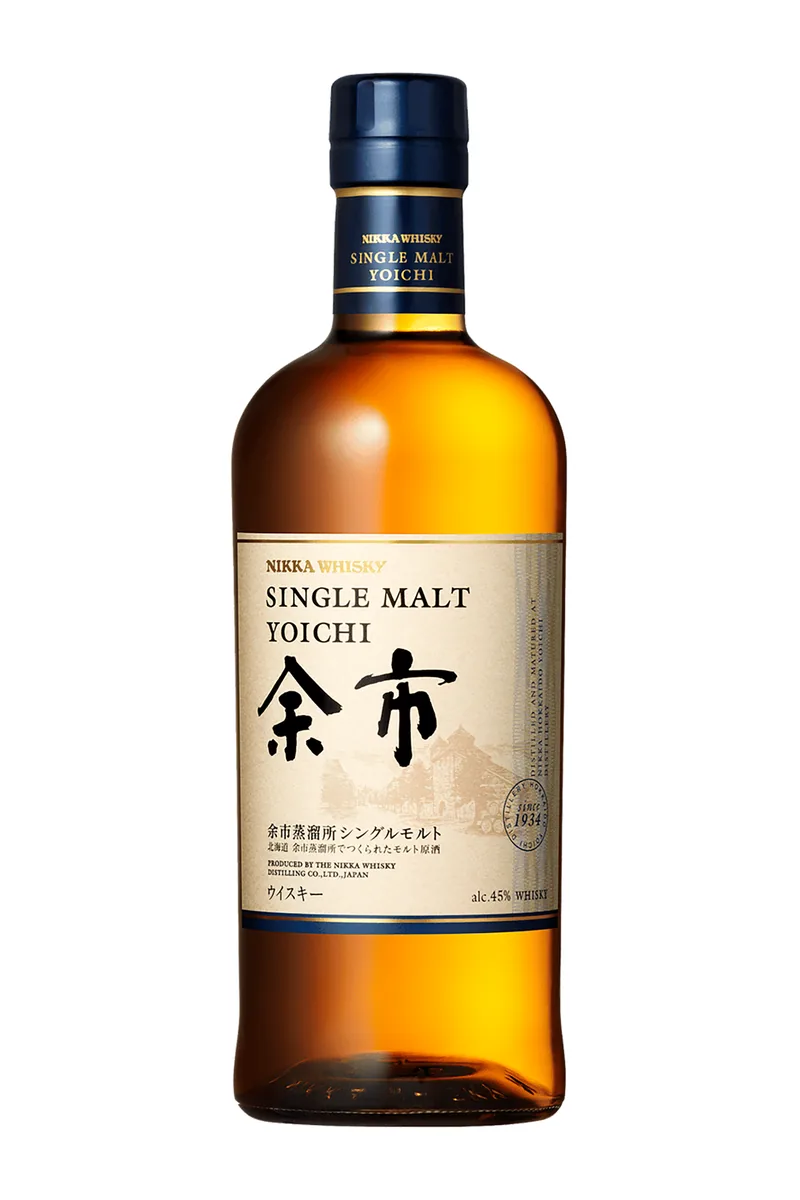
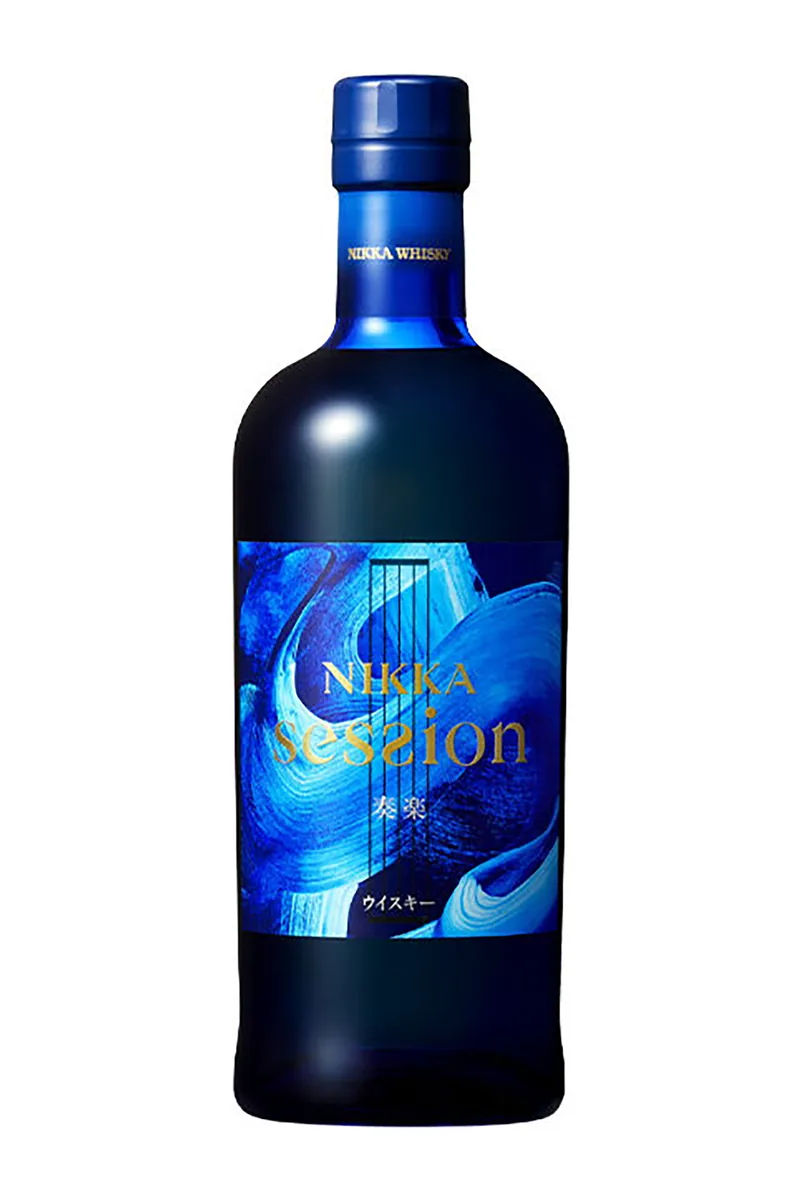
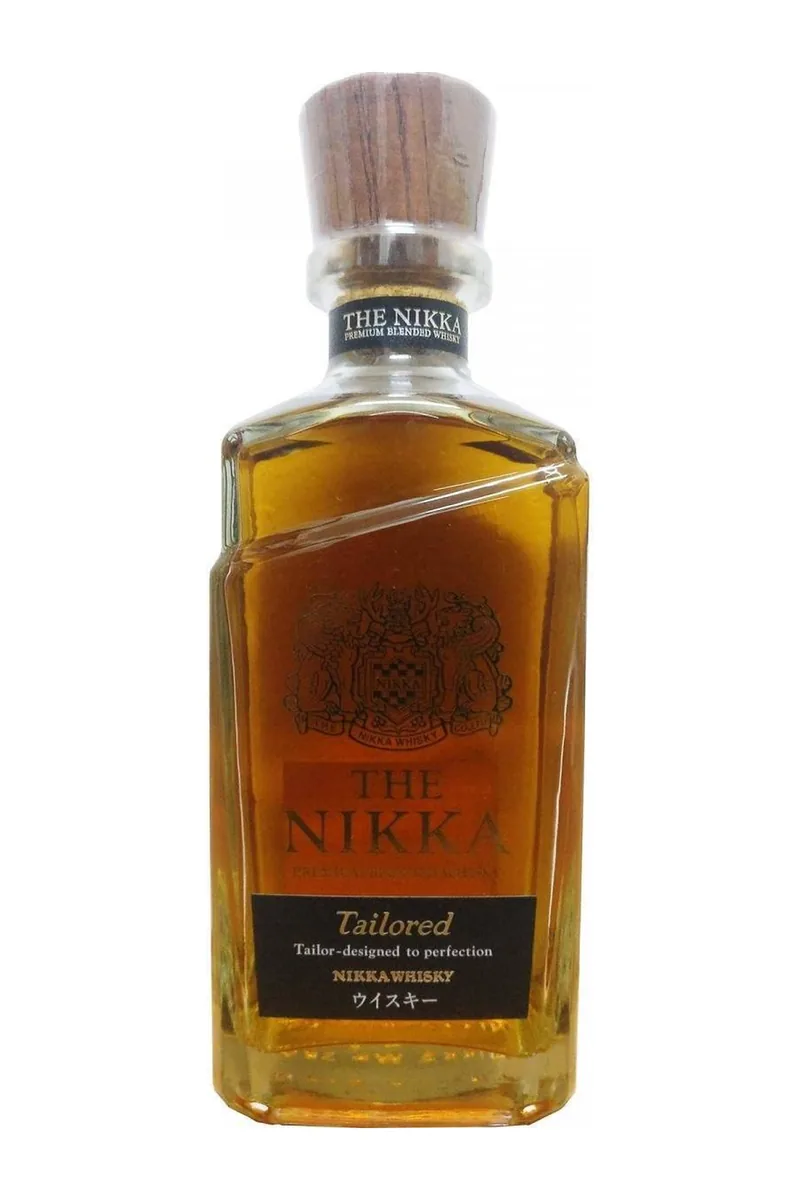
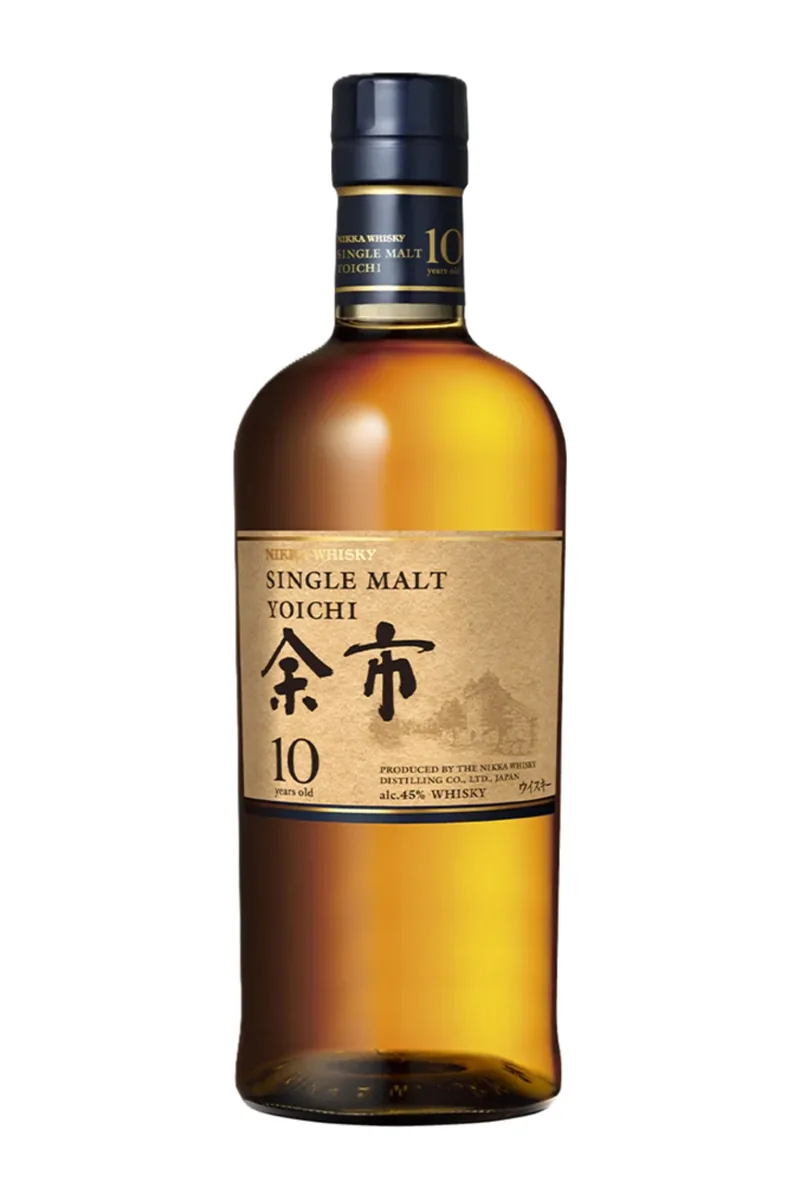
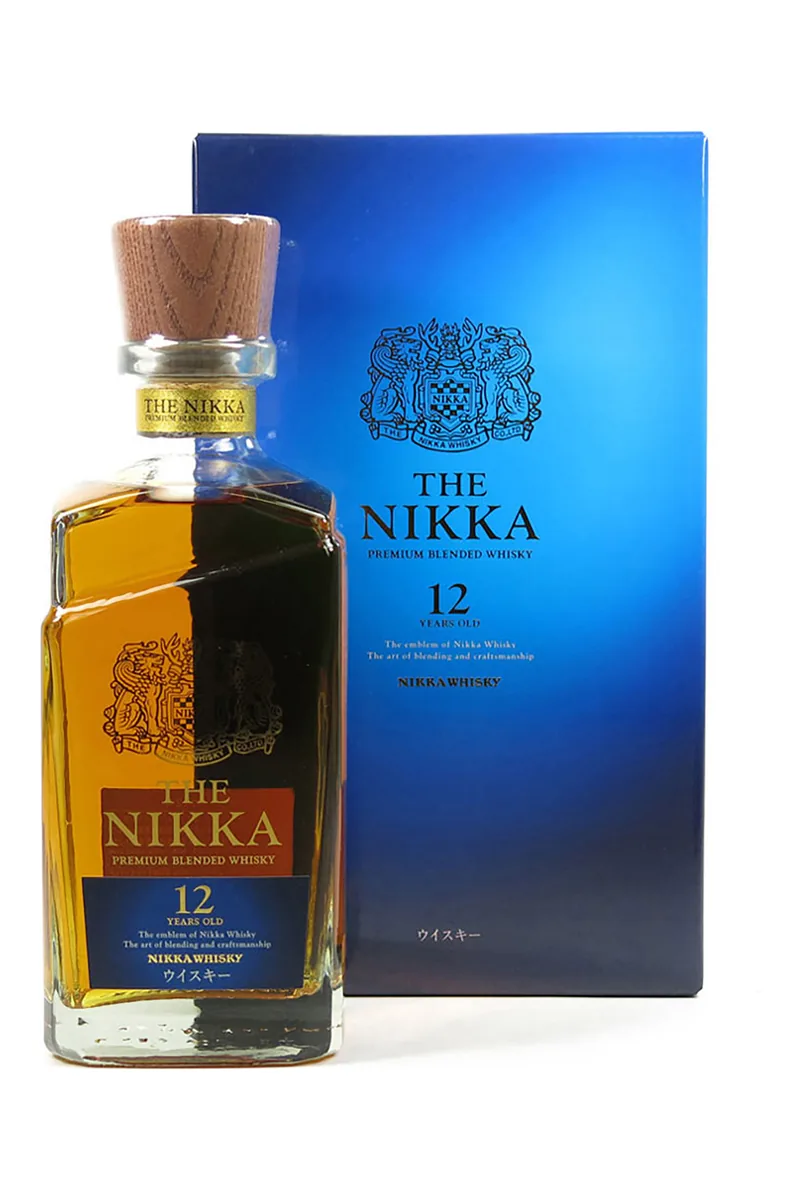
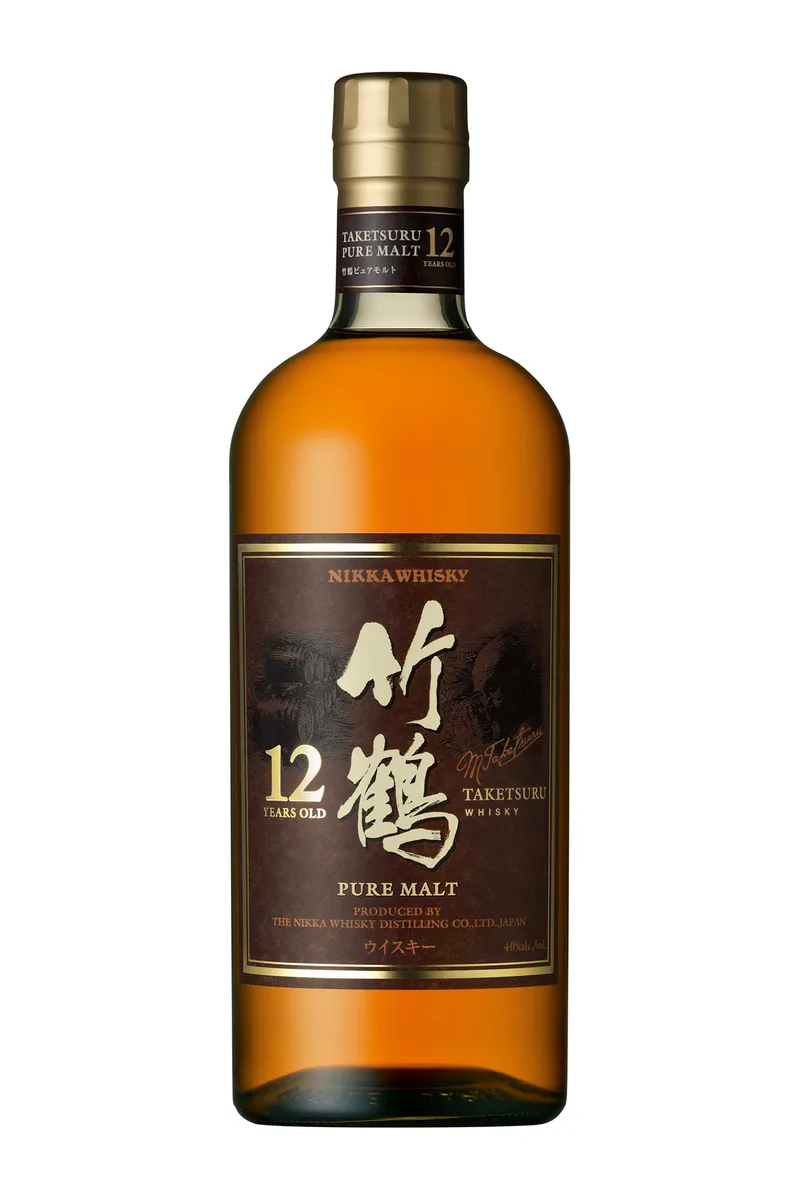
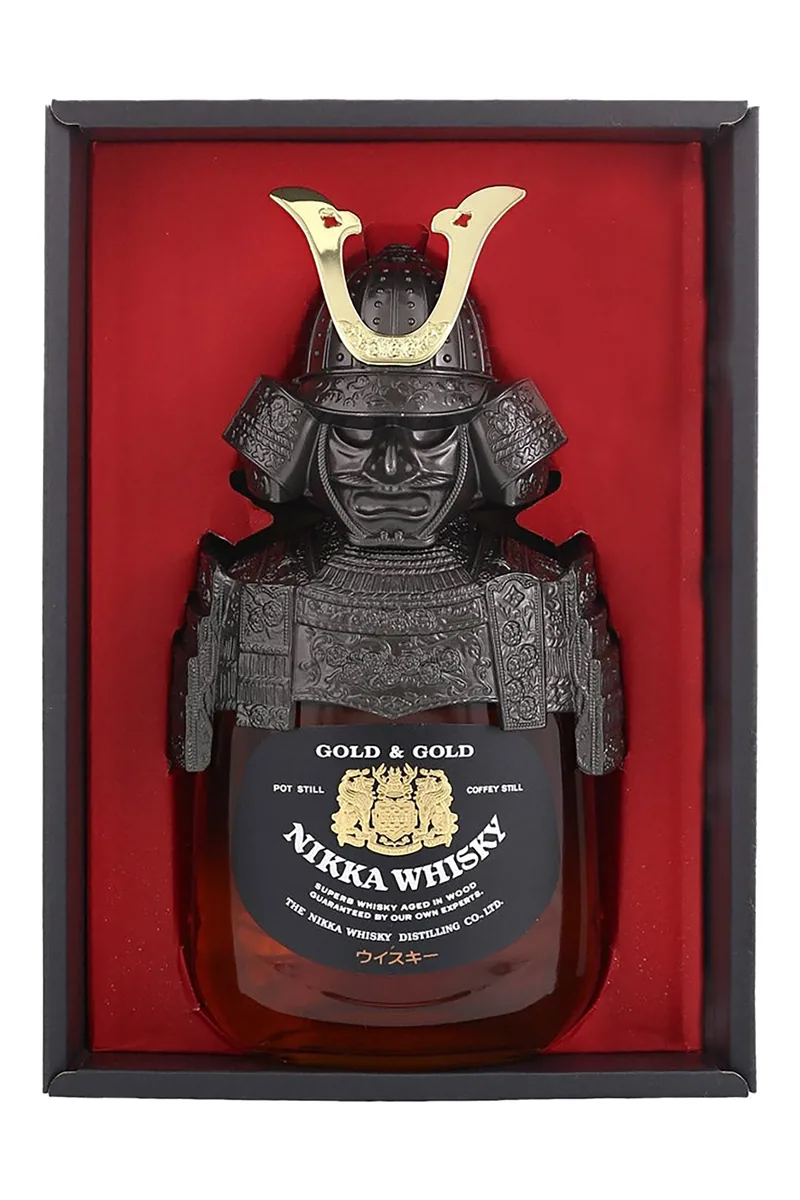
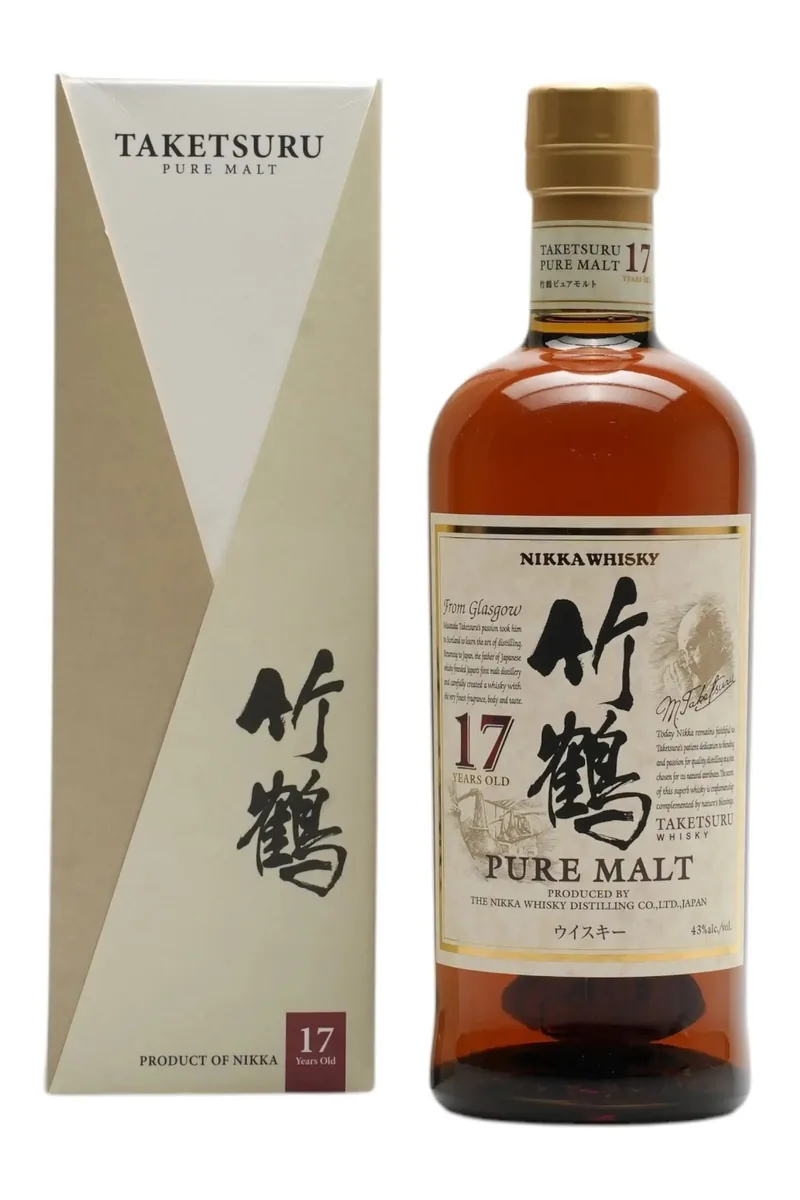
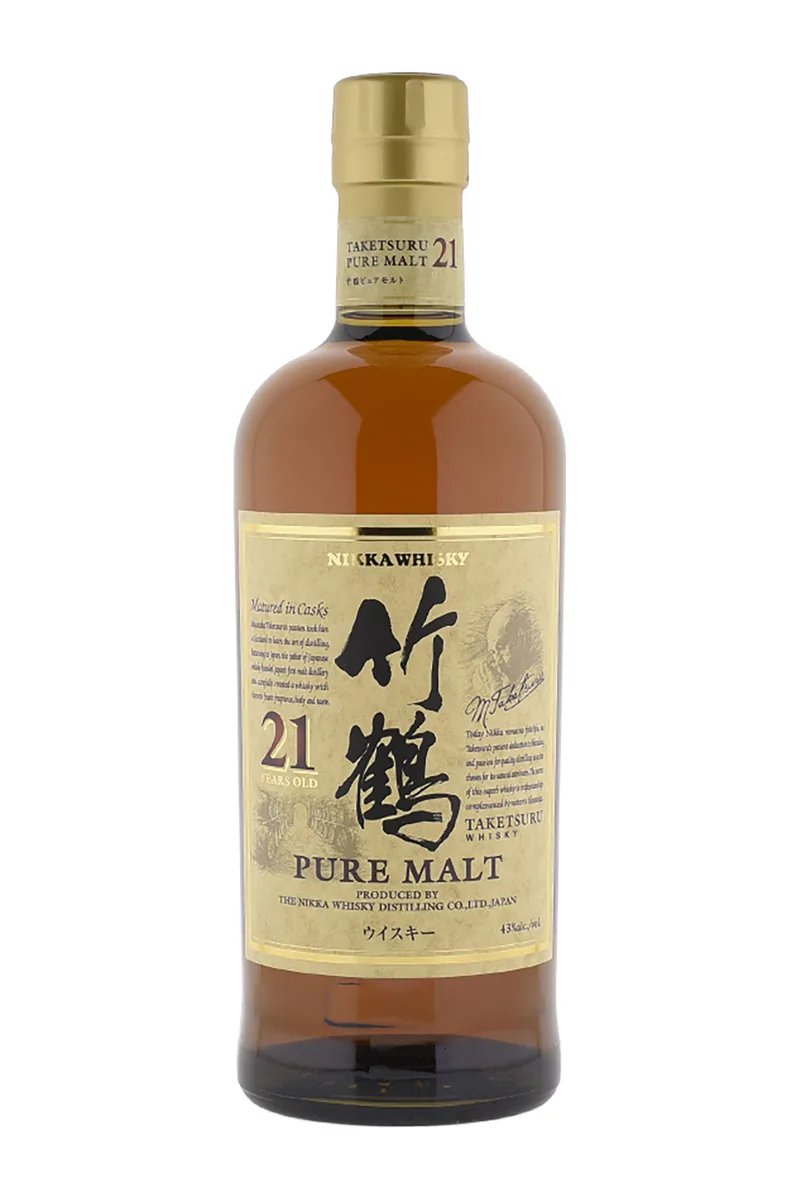
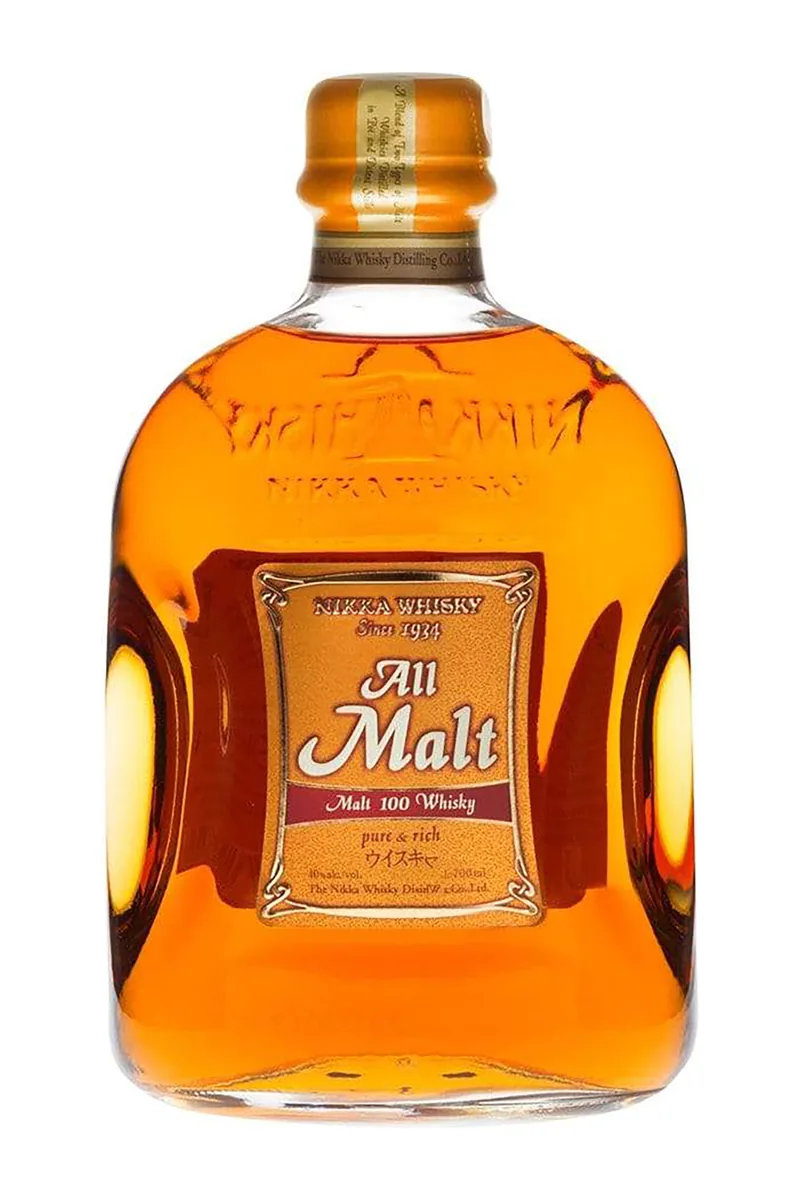
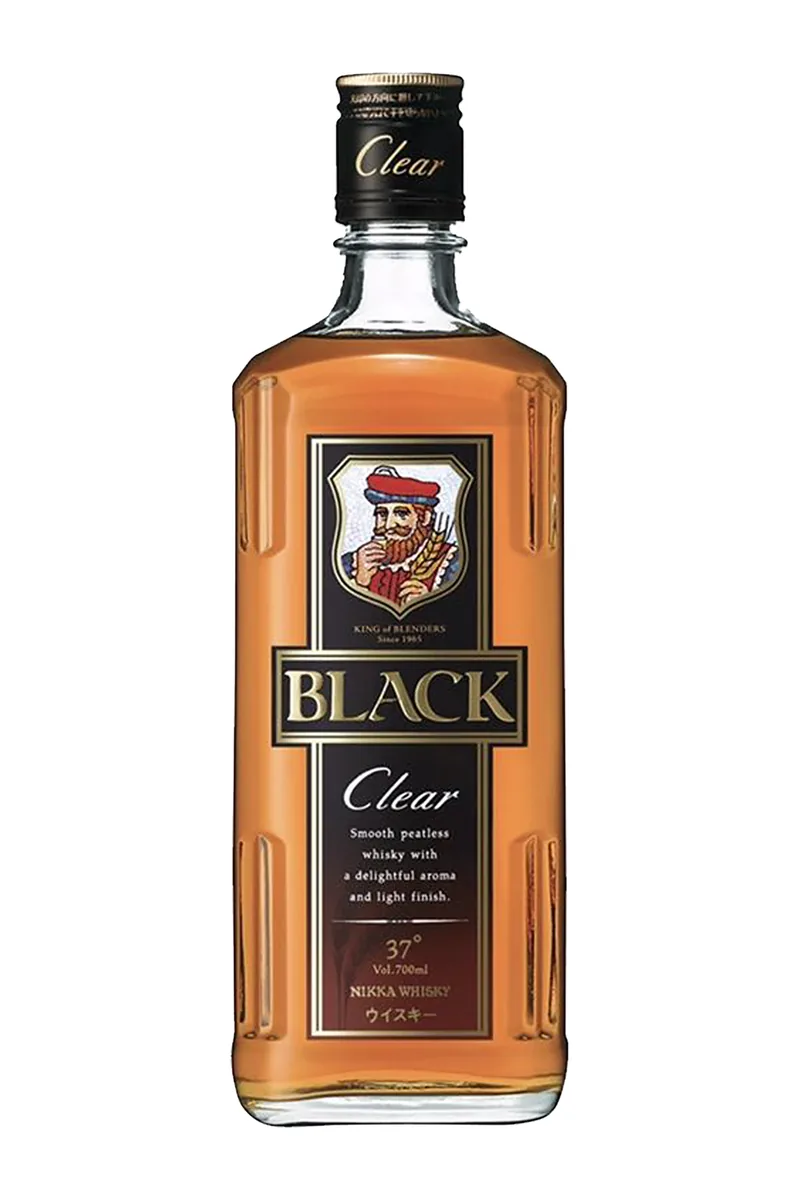
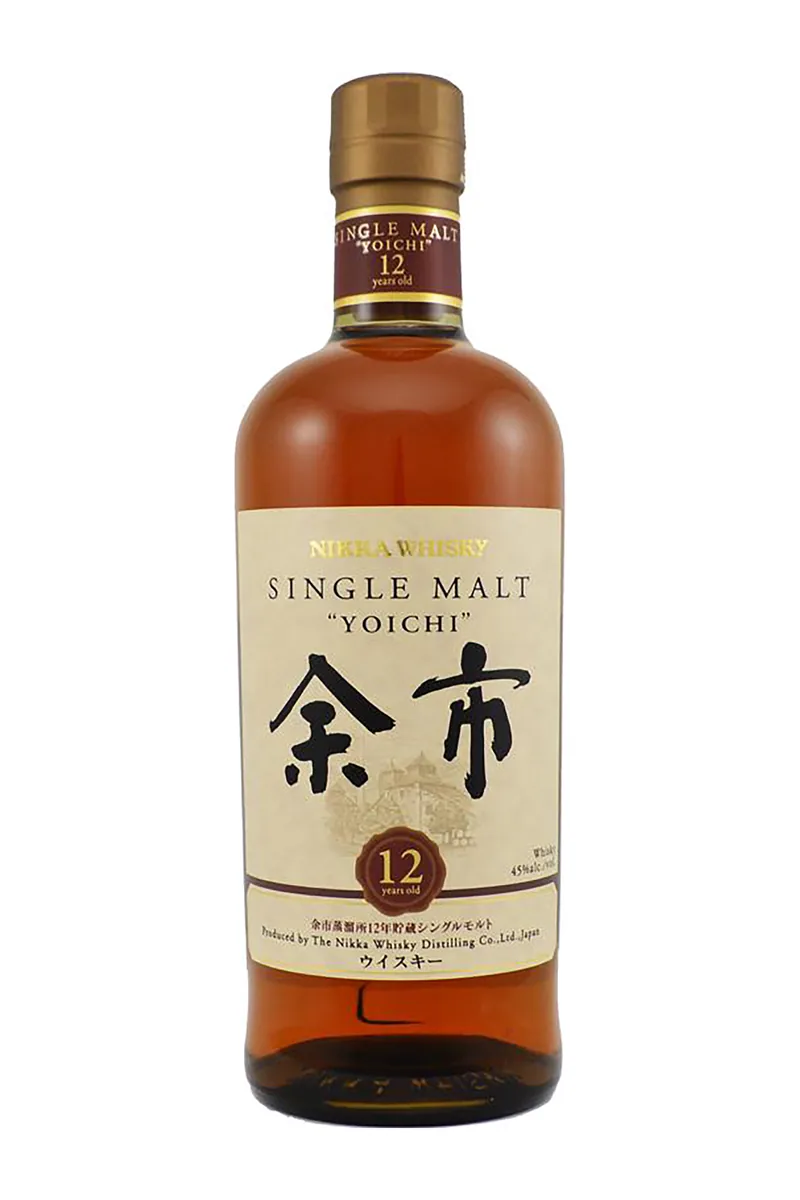
Prices come from each retailer's website and are checked daily.
Provenance
Nikka publishes the status of each product on its own website. These are its own statements, not ours. Note that Coffey Grain and Coffey Malt are made on the same two stills at the same distillery and land on opposite sides of this line. With Nikka you check bottle by bottle, and the answer is always on their site.
Meets the Japanese whisky standard
Nikka has not stated a position on the other 19 bottles we track. That is not the same as failing the standard, so they are not listed as either.
About
Nikka is Japan's second largest whisky producer and the only one of the big two founded by someone who actually trained in Scotland. It runs two malt distilleries with deliberately opposite characters: Yoichi in Hokkaido for heavy, peated, coastal spirit, and Miyagikyo near Sendai for something light and fruity. Between them they give Nikka's blenders a spread most companies would need a dozen distilleries to match.
The company has been owned by Asahi since 1954, and since 1989 it has also owned Ben Nevis in Scotland. That last fact matters more than it sounds, and it explains most of what follows on this page.
Nikka is one of only a handful of Japanese producers that publishes, product by product, whether a bottle meets the Japanese whisky labelling standard. Some of its most famous whiskies do not. The company says so on its own website rather than leaving buyers to work it out, which is worth more than any marketing line.
History
Masataka Taketsuru was the son of a sake brewing family in Hiroshima. In 1918 his employer sent him to Scotland to learn how whisky was made. He enrolled at the University of Glasgow, apprenticed at working distilleries, filled two notebooks with everything he saw, and married a Scotswoman, Jessie Roberta Cowan, who returned to Japan with him.
He came home to a company that had lost interest in the plan. Shinjiro Torii of Kotobukiya, later Suntory, hired him instead, and Taketsuru oversaw the building of Yamazaki in 1923. The two men disagreed about where Japanese whisky should be made. Torii wanted a site near Kyoto and a lighter style suited to Japanese palates. Taketsuru wanted cold, wet and remote.
In 1934 he left and went north to Hokkaido, to a fishing town called Yoichi, and founded the company that became Nikka. There was no money in whisky and no market for it, so the business started by selling apple juice, which is where the name comes from. The first whisky was released in 1940, in the middle of a war.
Miyagikyo followed in 1969, built specifically to produce a spirit unlike Yoichi's. Two Coffey stills were imported from Scotland in 1963 and 1966 and installed there. They remain the only ones in Japan. Ben Nevis was acquired in 1989. Taketsuru died in 1979, by which point Japanese whisky was a category rather than an experiment.
How they make it
The difference between Nikka's two distilleries is the point of the company, and it comes down to how the stills are heated.
Yoichi uses direct coal-fired pot stills, hand stoked, which almost nobody anywhere still does. Direct fire applies fierce and uneven heat, which produces a heavier, oilier spirit with a meaty depth that steam heating cannot replicate. Add peated malt and sea air off Ishikari Bay and you get a whisky that tastes closer to Islay than to anything else in Japan.
Miyagikyo runs large steam-heated stills with high reflux, which does the opposite: lighter, cleaner, fruitier spirit. The valley is humid and the water is soft. Miyagikyo also houses the Coffey stills, which are inefficient continuous stills of a design patented in 1830. Nikka keeps them because they carry more flavour through than a modern column still, which is why Nikka Coffey Grain tastes like something rather than like neutral spirit.
Blending is the third leg. Nikka states openly that its blenders select from whiskies produced both in house and overseas, which is the honest version of a practice the industry spent decades not discussing.