
In May 2018 Suntory said it would stop selling Hakushu 12 from June and Hibiki 17 from September. There wasn't enough old whisky to go round. Hibiki 12 had already gone in 2015.
You'd have thought someone died. The bottles that took over the shelf space, Hibiki Harmony and the Distiller's Reserves, got treated like the cheap replacement furniture after a break-in. No number on the label, so obviously worse.
I don't buy it. Most of what people lost wasn't a whisky. It was a price.
What the number actually tells you
An age statement is a minimum, not a score. In Scotland it's the law: the number on the label is the age of the youngest whisky in the bottle. A 12 year old can have older whisky in it, but nothing younger than 12. Japanese labels are generally read the same way.
Take the number off and all you know is that the producer isn't saying. A bottle with no age statement can hold young whisky, old whisky or both, blended to taste rather than to hit a birthday. To be called Japanese whisky under the industry's labelling standard it still has to spend at least three years in a cask in Japan.
So the age statement guarantees one thing, the youngest drop, and nothing about whether you'll like it. That's useful to know. It isn't a quality rating, and it was never meant to be one.
Same distilleries, same people
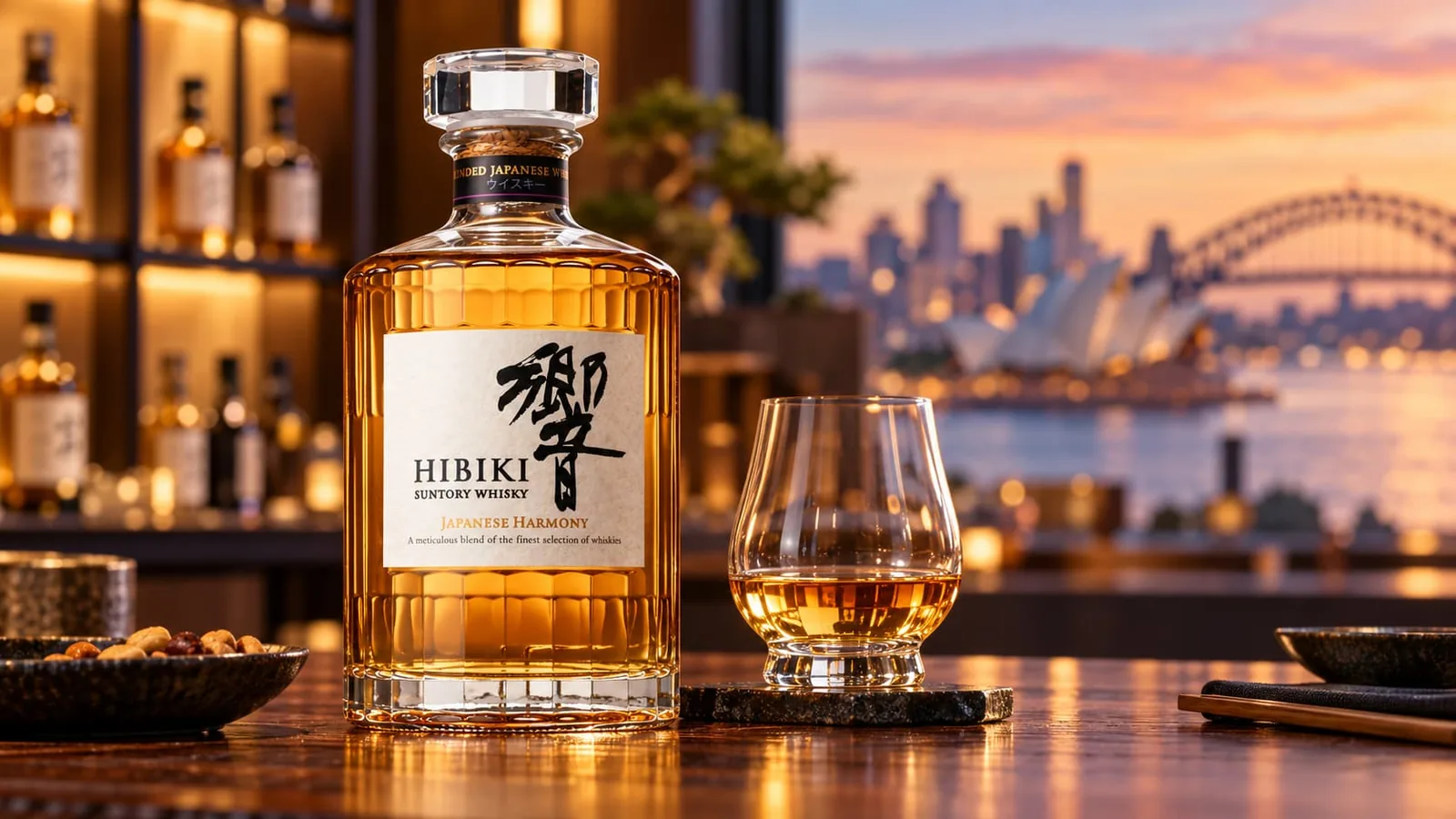
Yamazaki Distiller's Reserve is Yamazaki malt from the Yamazaki distillery. Hakushu Distiller's Reserve is Hakushu. Hibiki Harmony is malt from Yamazaki and Hakushu with Chita grain, the same three distilleries as the aged Hibikis. What changed is that Suntory stopped promising a minimum age it could no longer afford to promise.
Whether you prefer the 12 is a fair question, and plenty of people do. But that's a question of taste, and it has to be settled in a glass, not by reading the label.
What actually went missing
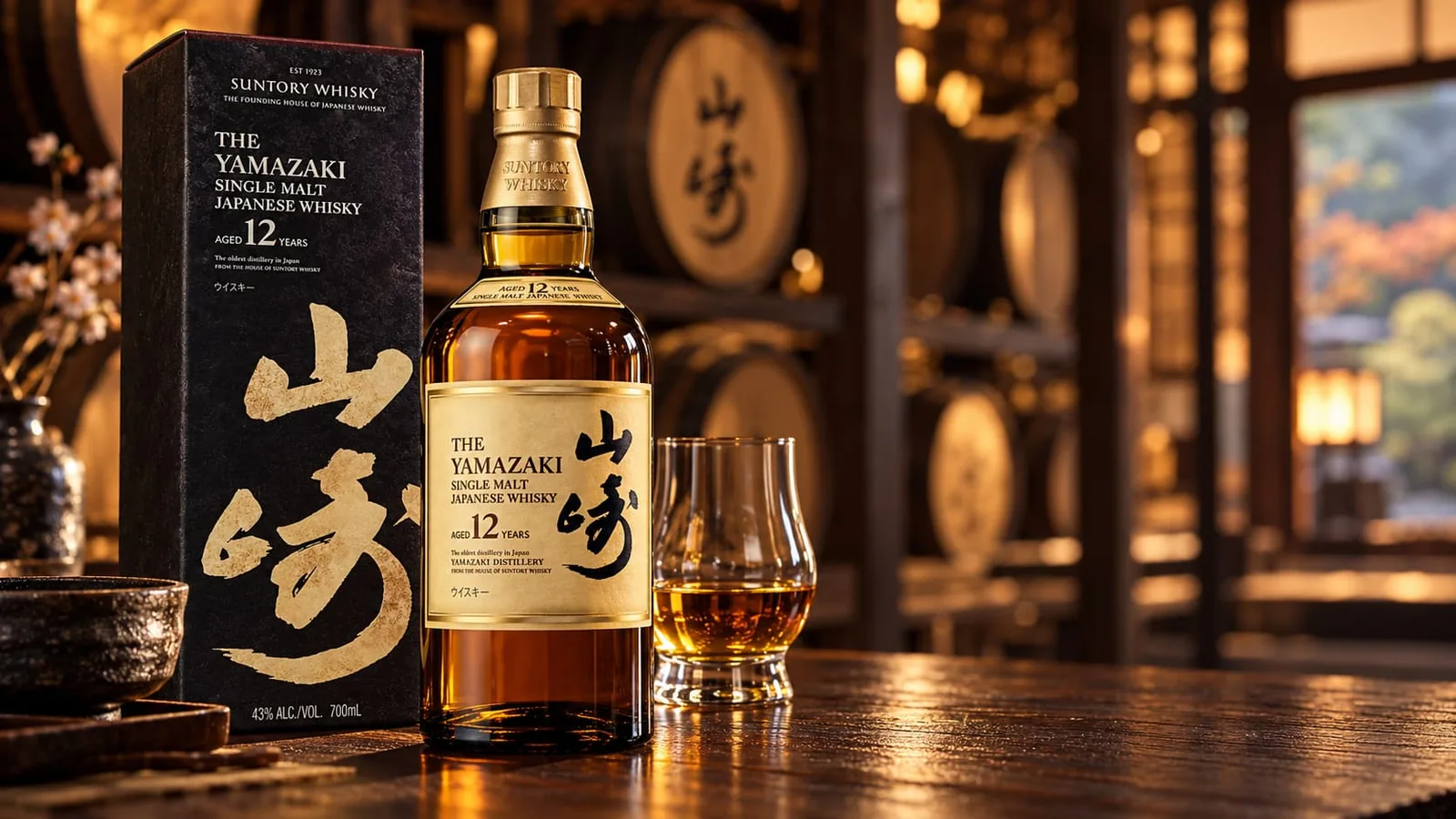
Here's the bit that doesn't get mourned enough. Until April 2022, Yamazaki 12's list price in Japan was ¥8,500. Suntory put it up to ¥10,000 that April, and to ¥15,000 in April 2024. That's 76% in two years.
The Yamazaki with no age statement went to ¥7,000 in that same 2024 increase. In other words, the no-age bottle now costs about what the 12 did before 2022, and the 12 costs twice that.
Australian shelves say the same thing. On 1 October 2026, at the shops we track:
| Bottle | Cheapest in stock | Shops |
|---|---|---|
| Yamazaki 12 Year Old | $299.99 | 8 |
| Yamazaki Distiller's Reserve | $158.00 | 7 |
| Hakushu 12 Year Old | $287.00 | 7 |
| Hakushu Distiller's Reserve | $129.99 | 7 |
| Hibiki 17 Year Old | $999.99 | 2 |
| Hibiki Japanese Harmony | $155.00 | 10 |
The 12s cost about twice their no-age siblings. Hibiki 17 costs six and a half times Harmony, when you can find it at all. What people remember as "the 12" was a well-made whisky at an everyday price. The everyday price is the thing that's gone, and it isn't coming back with the number.
So what is the number worth?
Something, to some people. If you love Yamazaki 12, it's a real whisky and you know what you're getting. At about $300 it's a fair buy today, and you shouldn't feel silly paying it.
But be honest about what the extra $140 buys. It's a guarantee about the youngest whisky in the bottle, from the same distillery, made by the same people. That's not nothing. It's also not "twice as good", and nobody can promise it will taste twice as good to you.
The point
Buy the whisky, not the number. If the Distiller's Reserve or Harmony is the one you enjoy, drink it and don't let the label tell you it's the lesser bottle. If the 12 is worth double to you, buy it, at a price near the bottom of the range and not the top.
And if you're mourning anything, mourn the ¥8,500 Yamazaki 12. That's the one that isn't coming back.
Sources
- The Spirits Business: Suntory to discontinue Hibiki 17 and Hakushu 12
- Nomunication: It's official, Hakushu 12 and Hibiki 17 are being halted
- Whisky Invest Direct: Whisky age statements
- House of Suntory: Japanese whisky definition
- Time Out Tokyo: Suntory whisky up to 28 percent more expensive in 2022
- Japanese Whisky Dictionary: Suntory price revision from 1 April 2024