
Distillery · Osaka
Suntory
Founded 1923 · Yamazaki, Osaka · 2 sites
The place
Yamazaki, Osaka
Yamazaki
- Founded
- 1923
- Location
- Yamazaki, Osaka
- Setting
- Valley floor at Shimamoto, where three rivers meet
- Stills
- Six wash and six spirit pot stills, varied in shape
- Owner
- Suntory Holdings
Hakushu
- Founded
- 1973
- Location
- Hakushu, Yamanashi
- Setting
- Forest on the slopes of Mount Kaikoma
- Stills
- Six wash and six spirit pot stills
- Owner
- Suntory Holdings
36 bottles tracked, 28 in stock from $64.99 to $10,999.00 across 7 retailers.
Bottles
36 whiskies
- Suntory
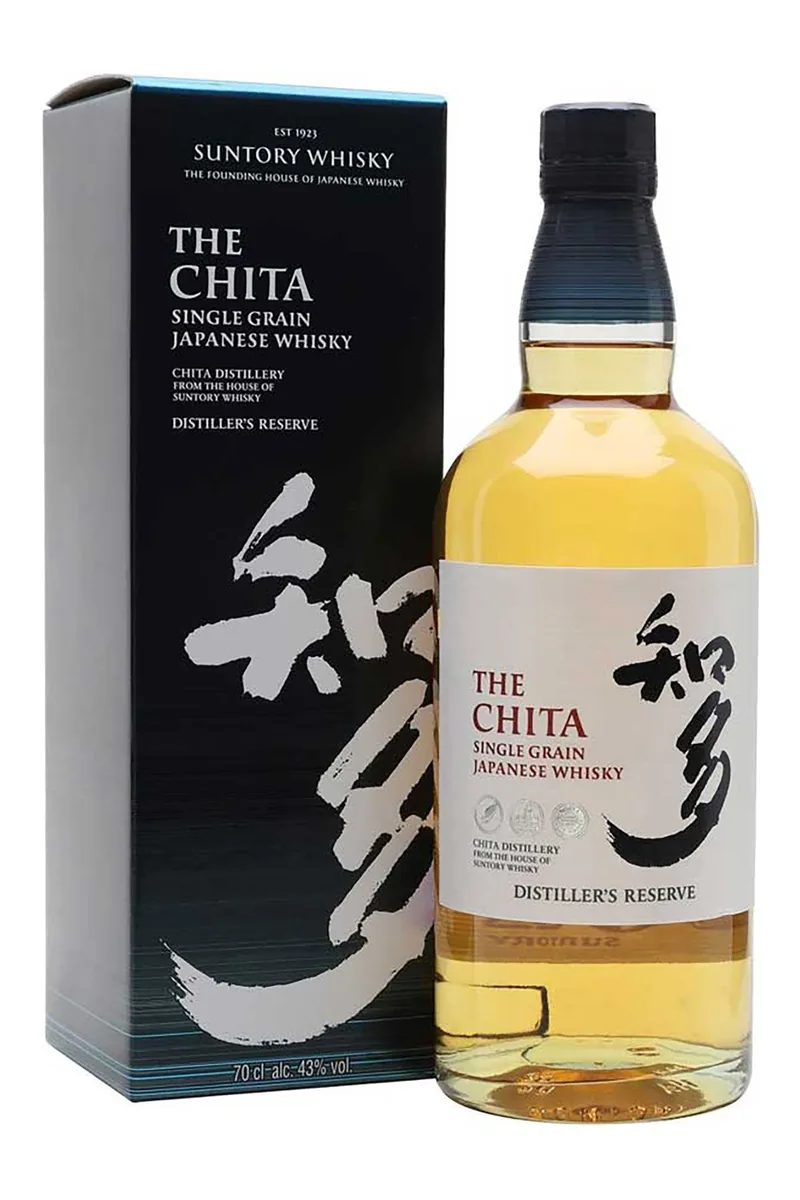
Suntory The Chita Single Grain
700ml
$98.90In stock
Online delivery to Sydney 2000
Lowest confirmed in stock
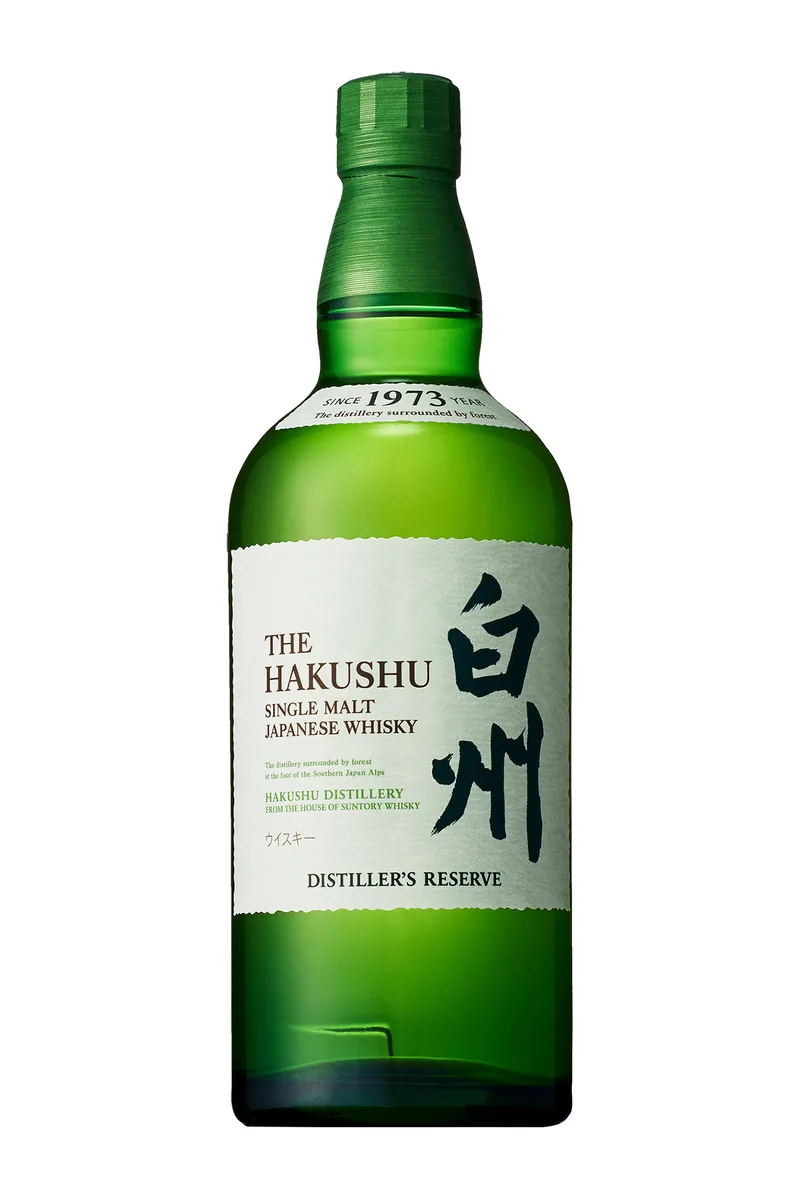
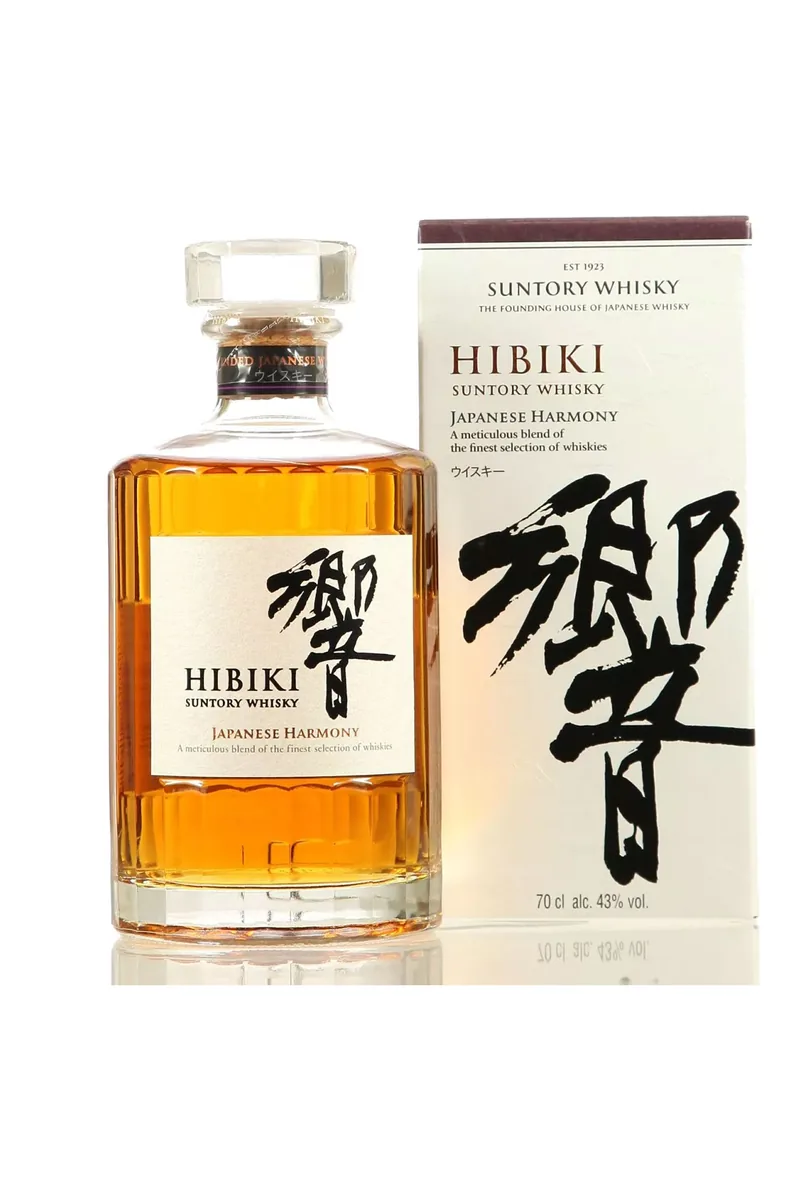
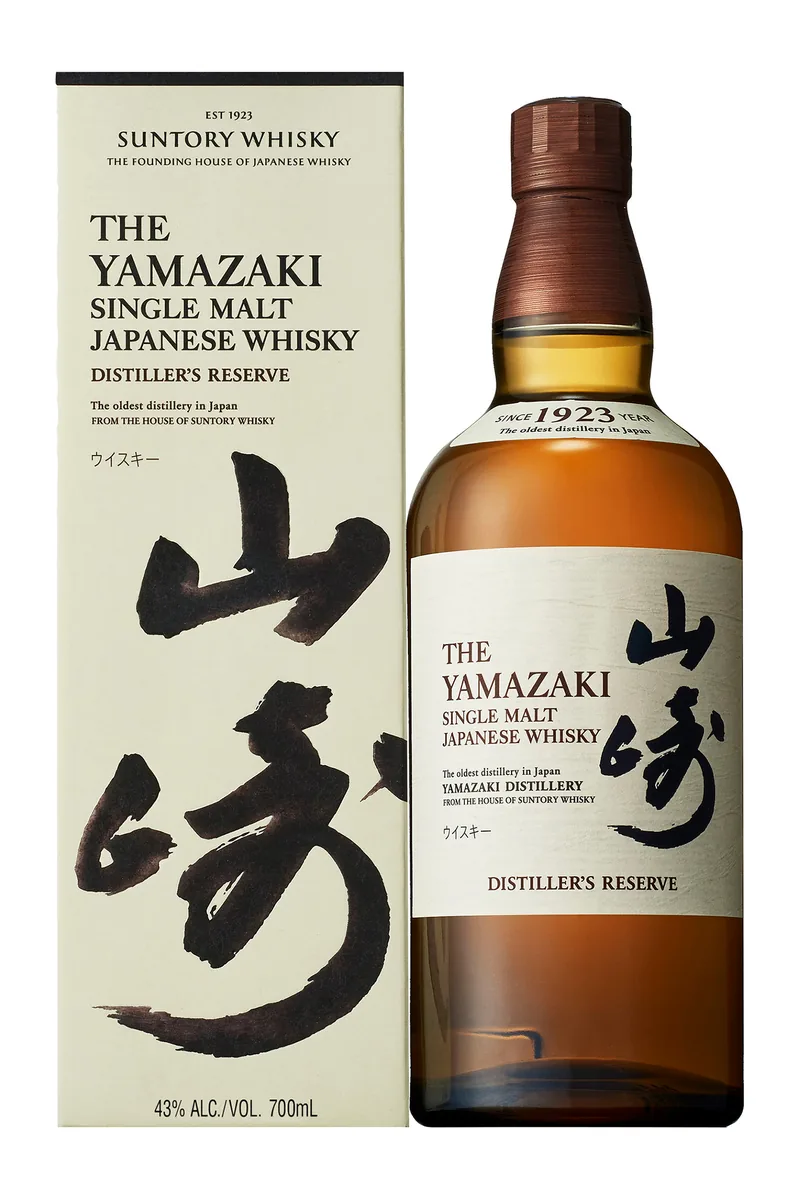
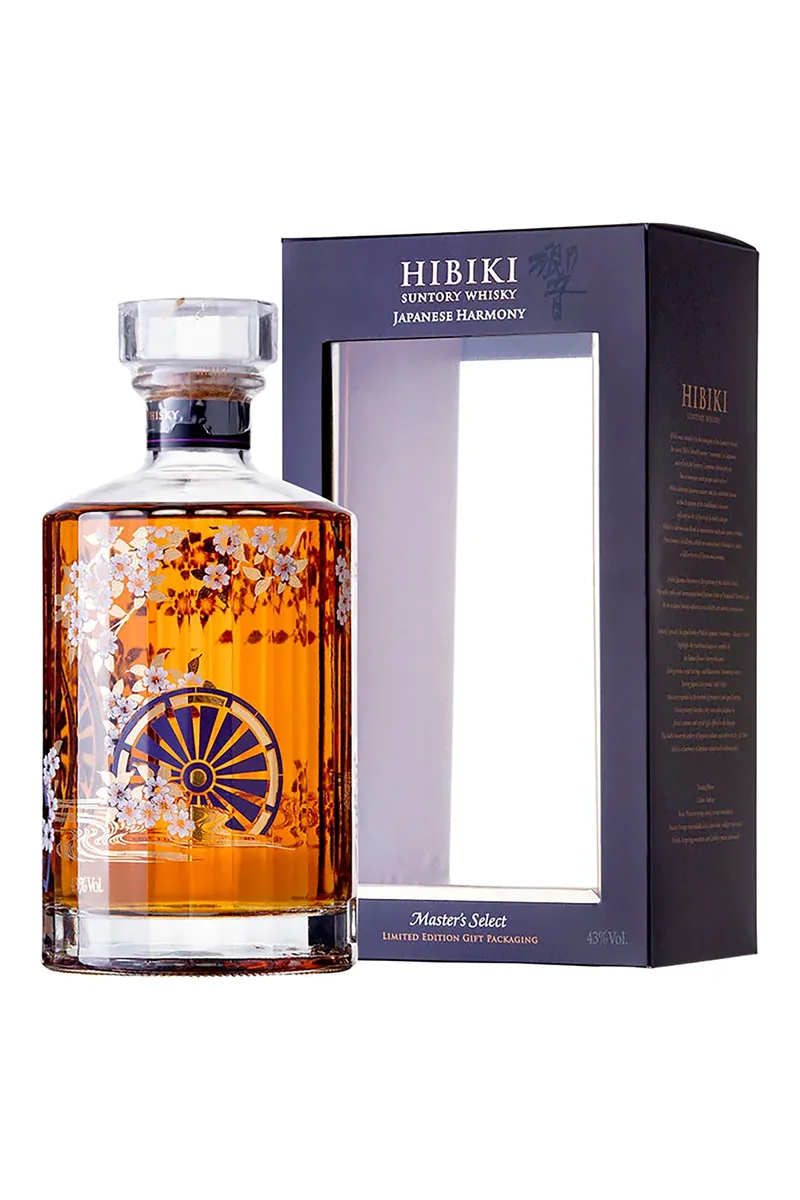
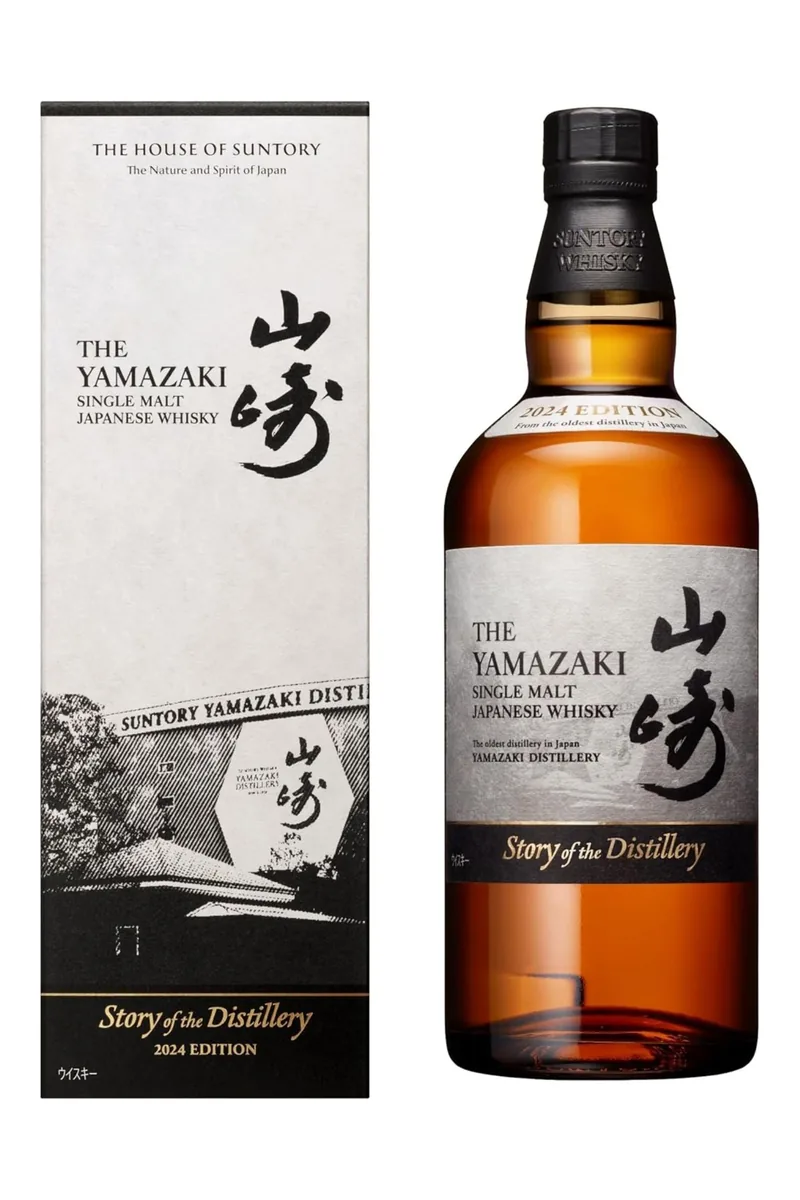
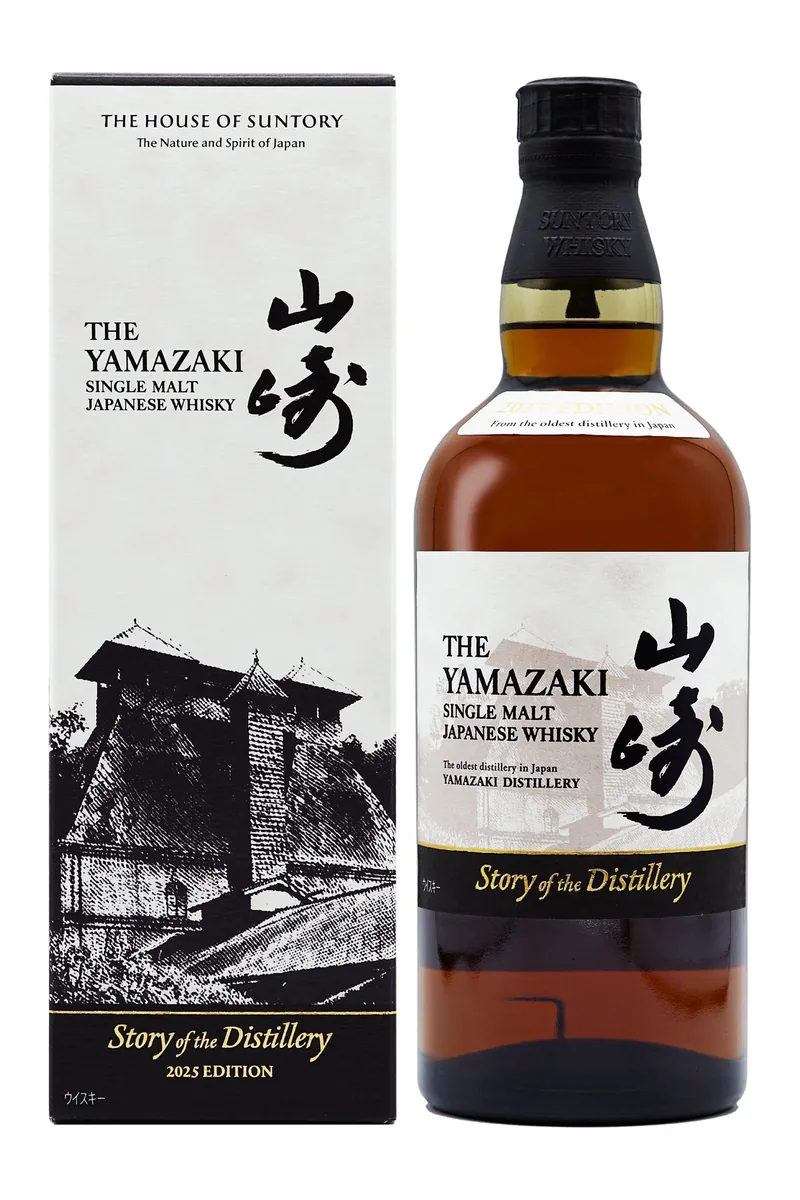
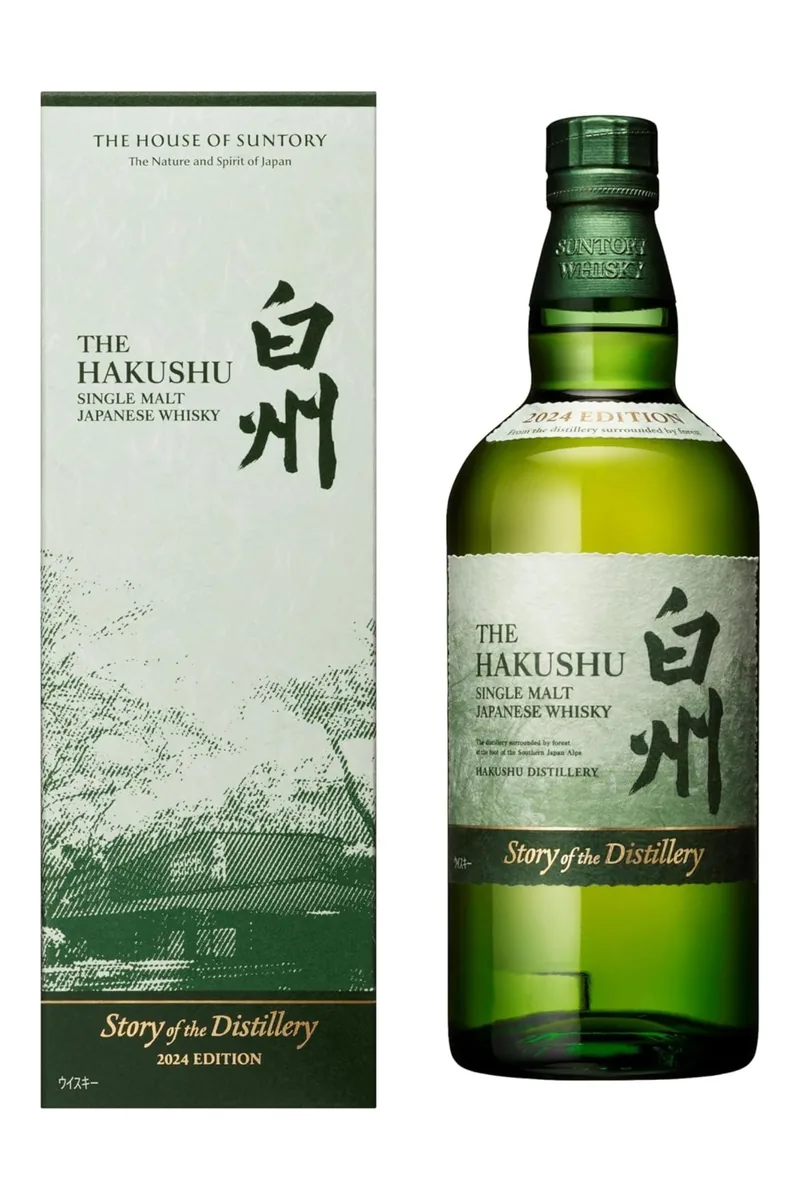
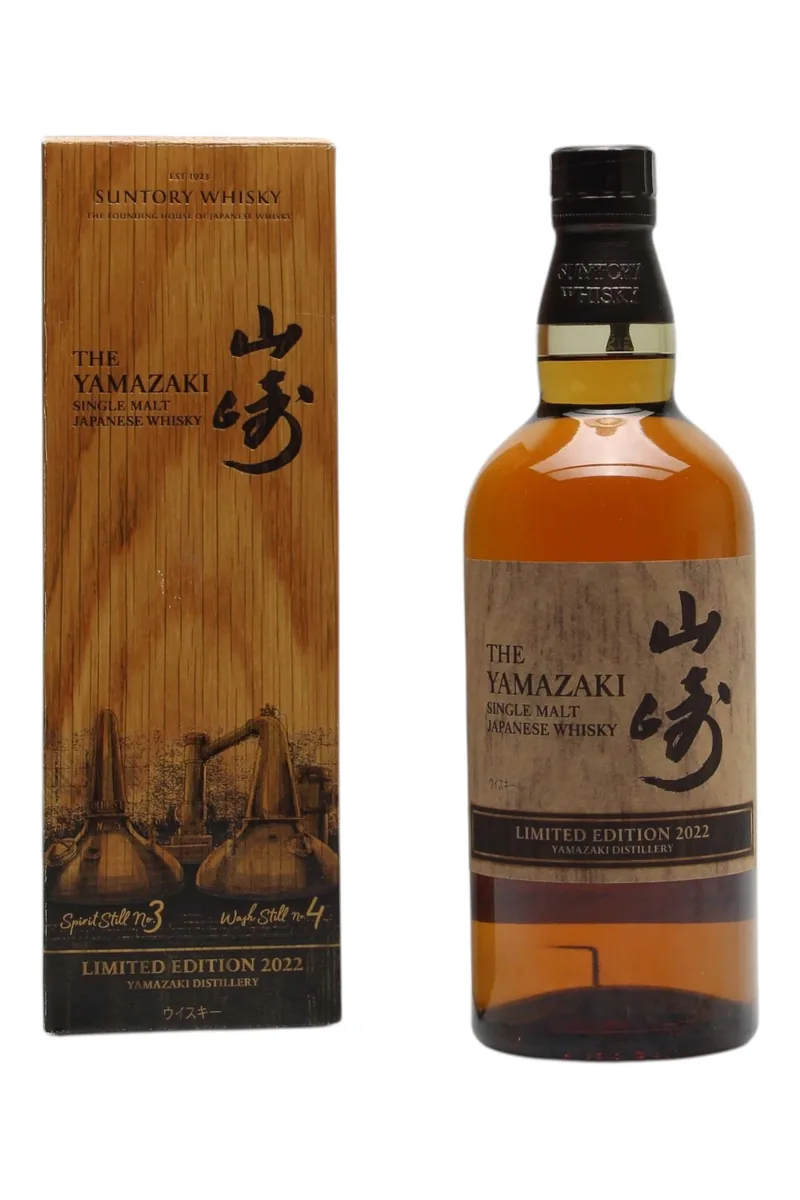
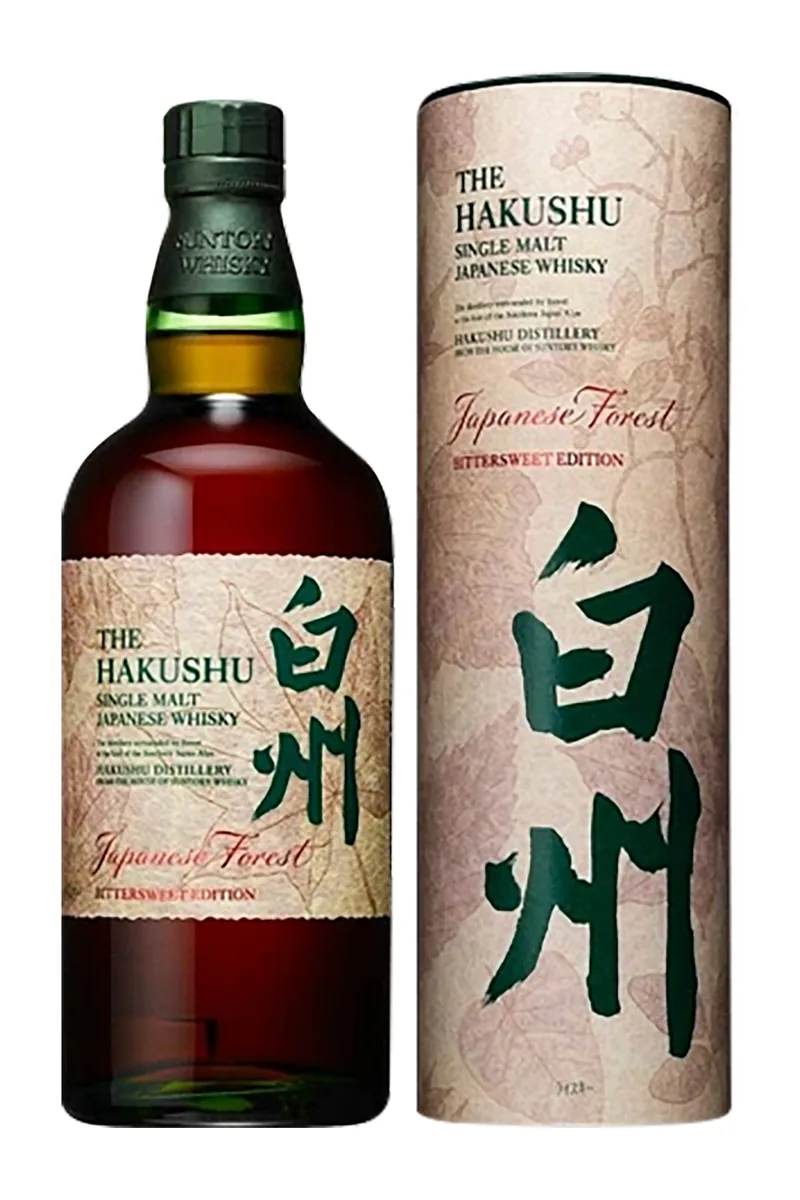
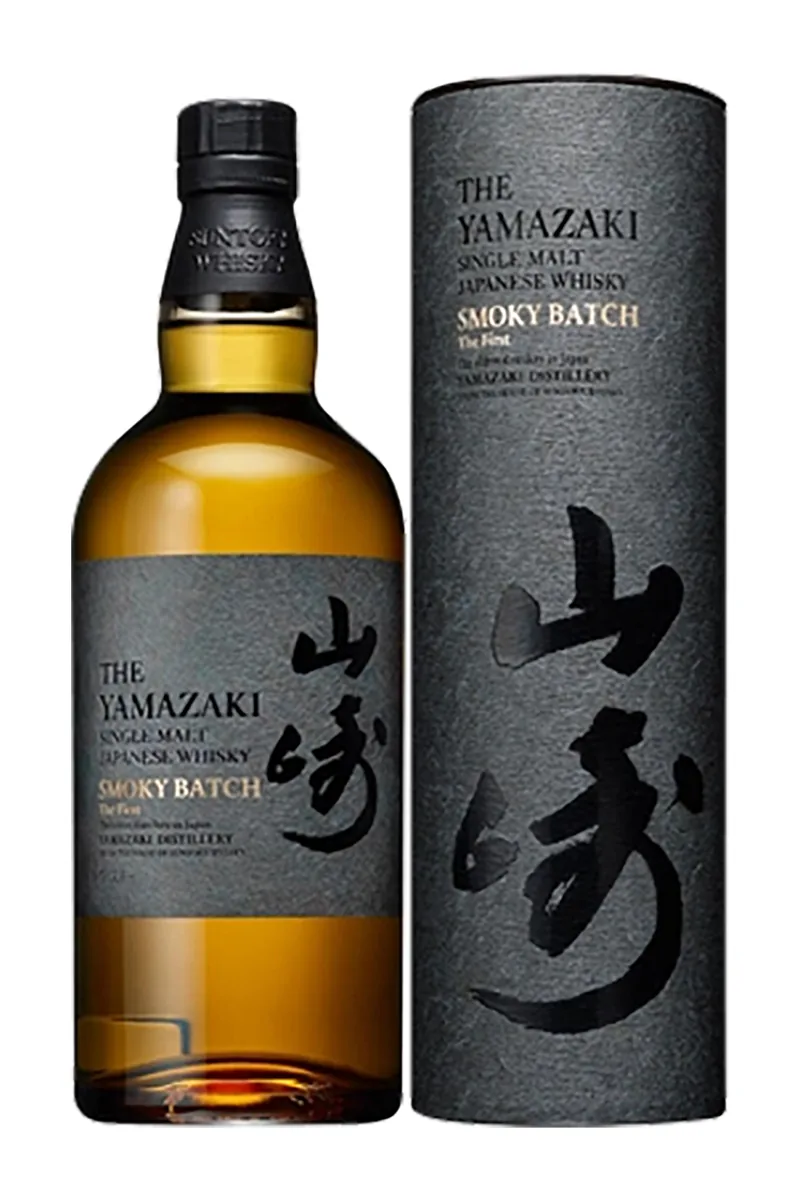
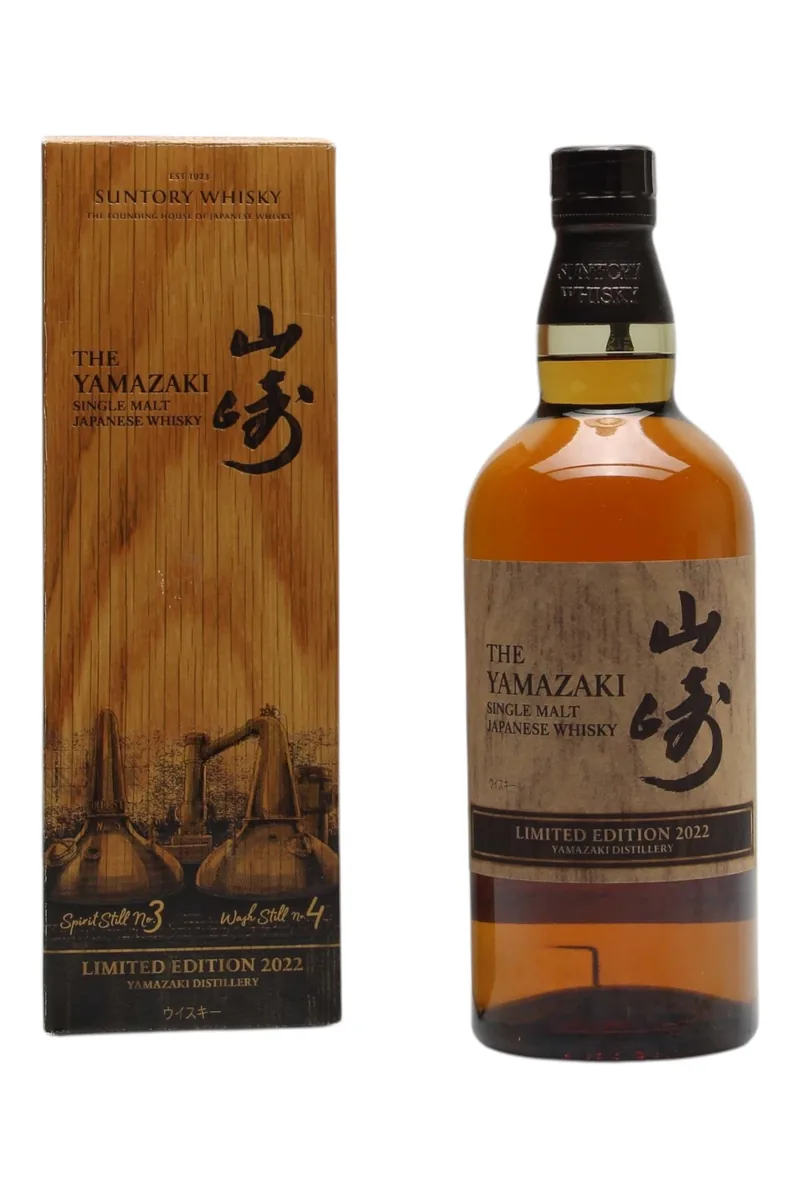
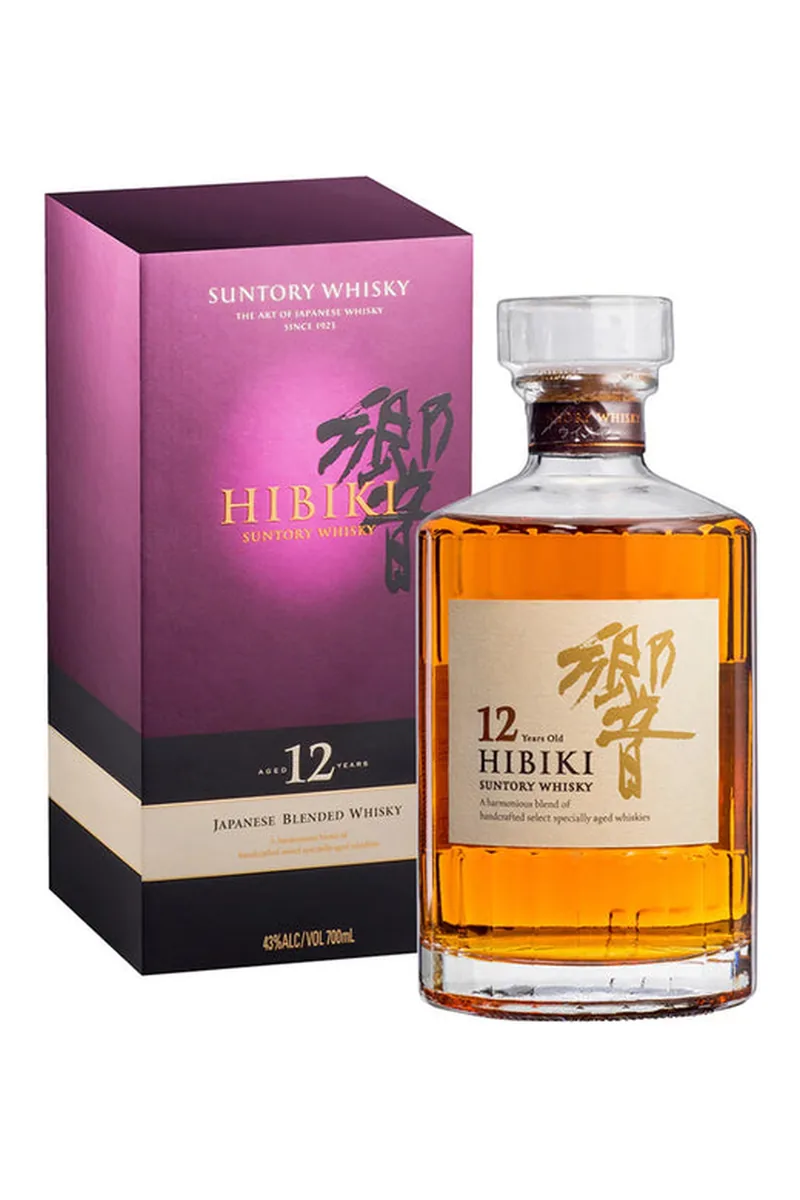
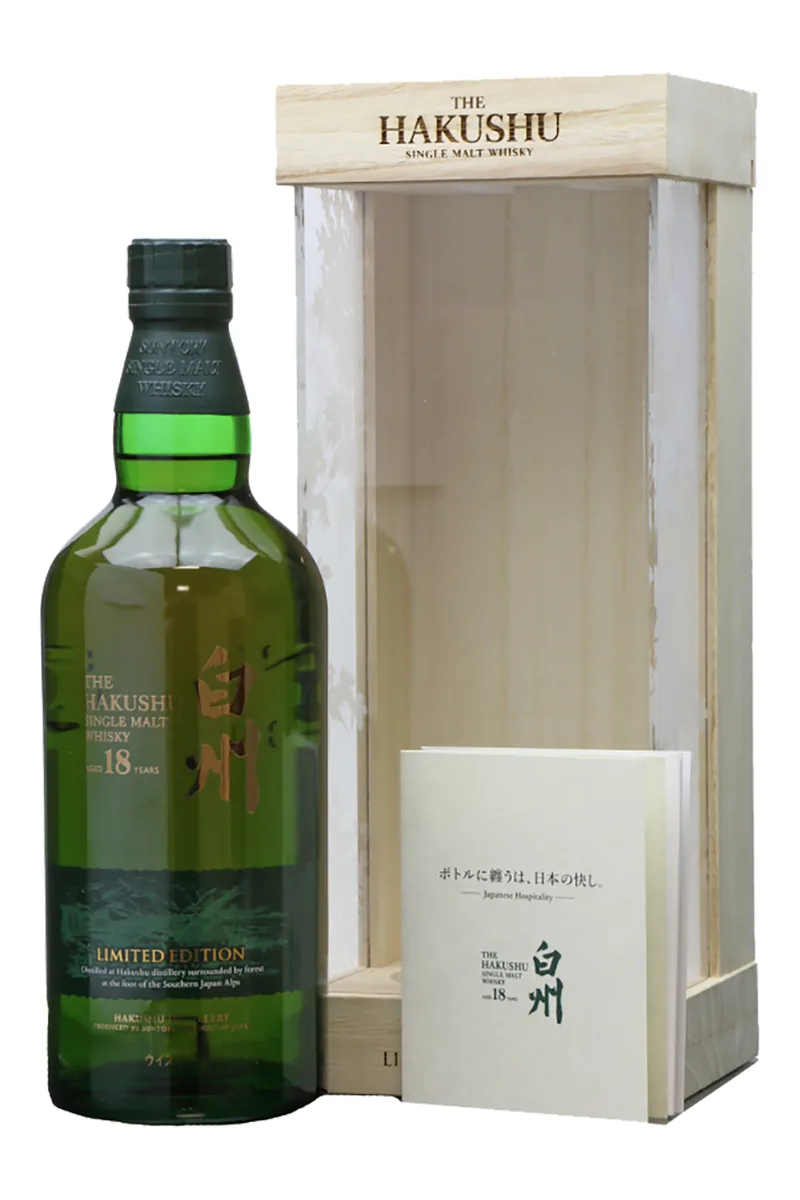
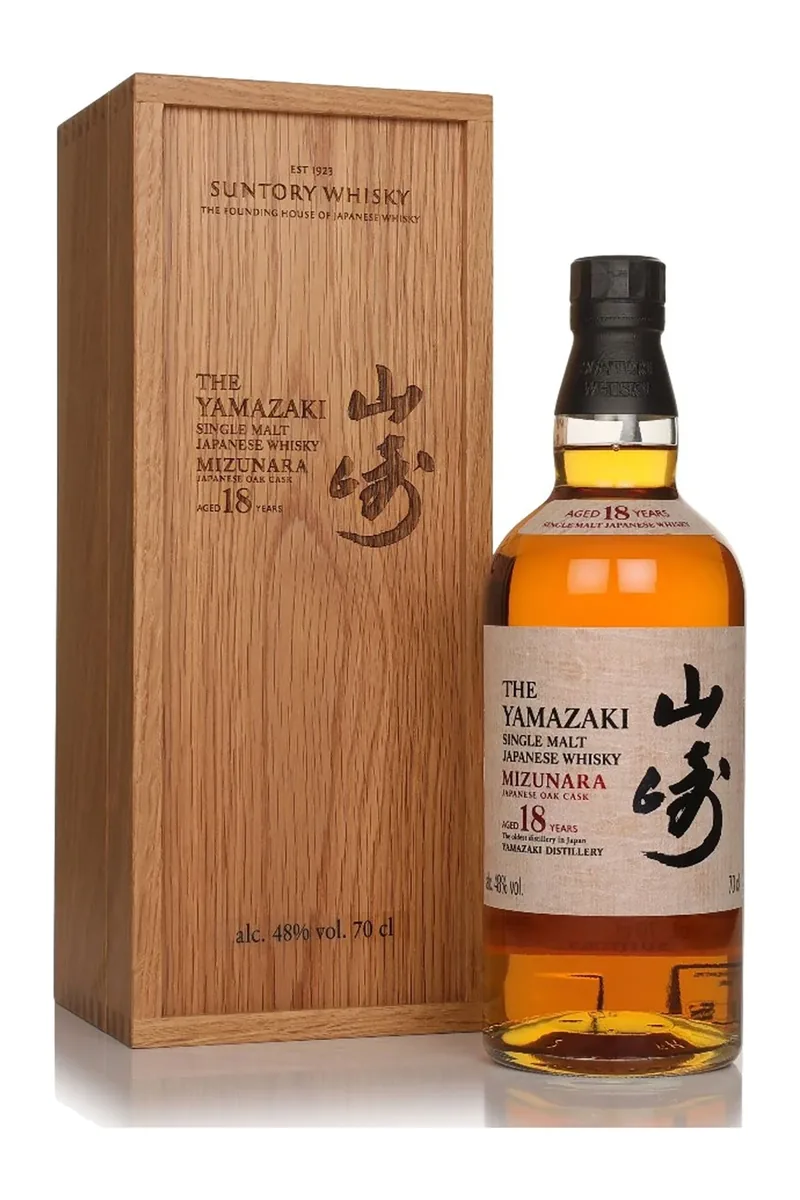
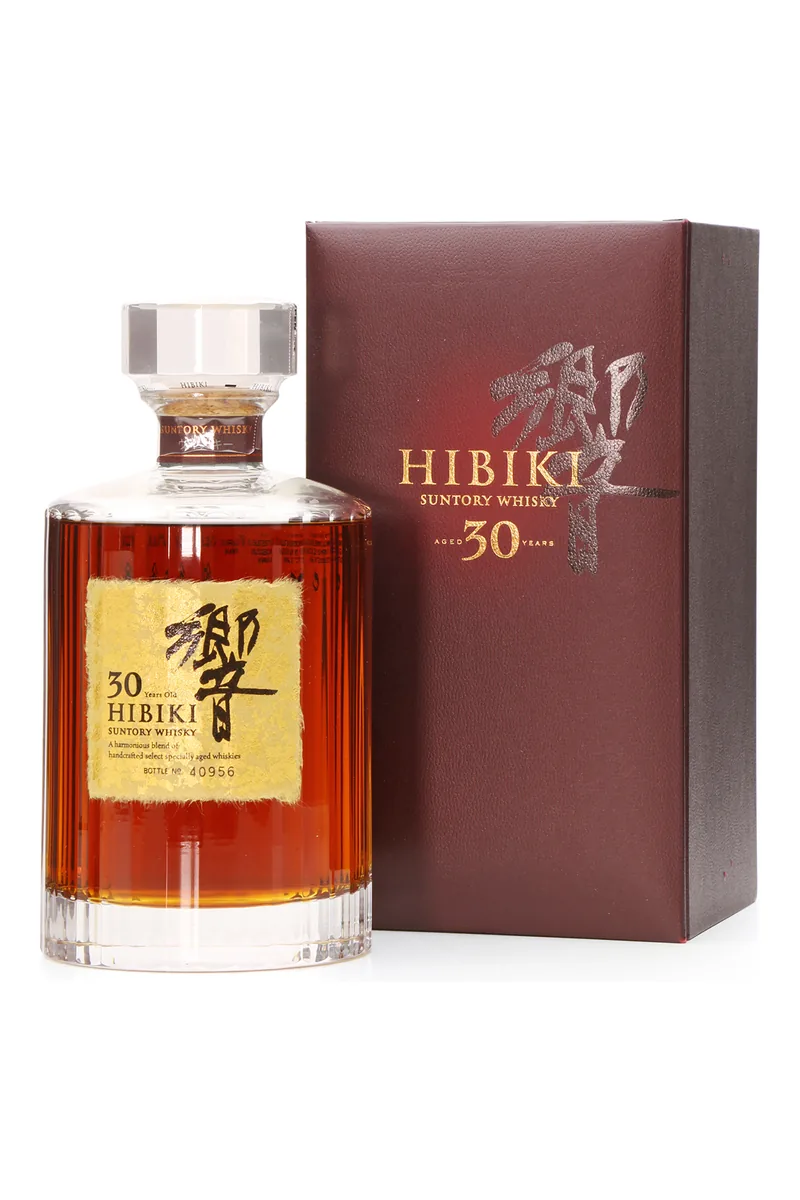
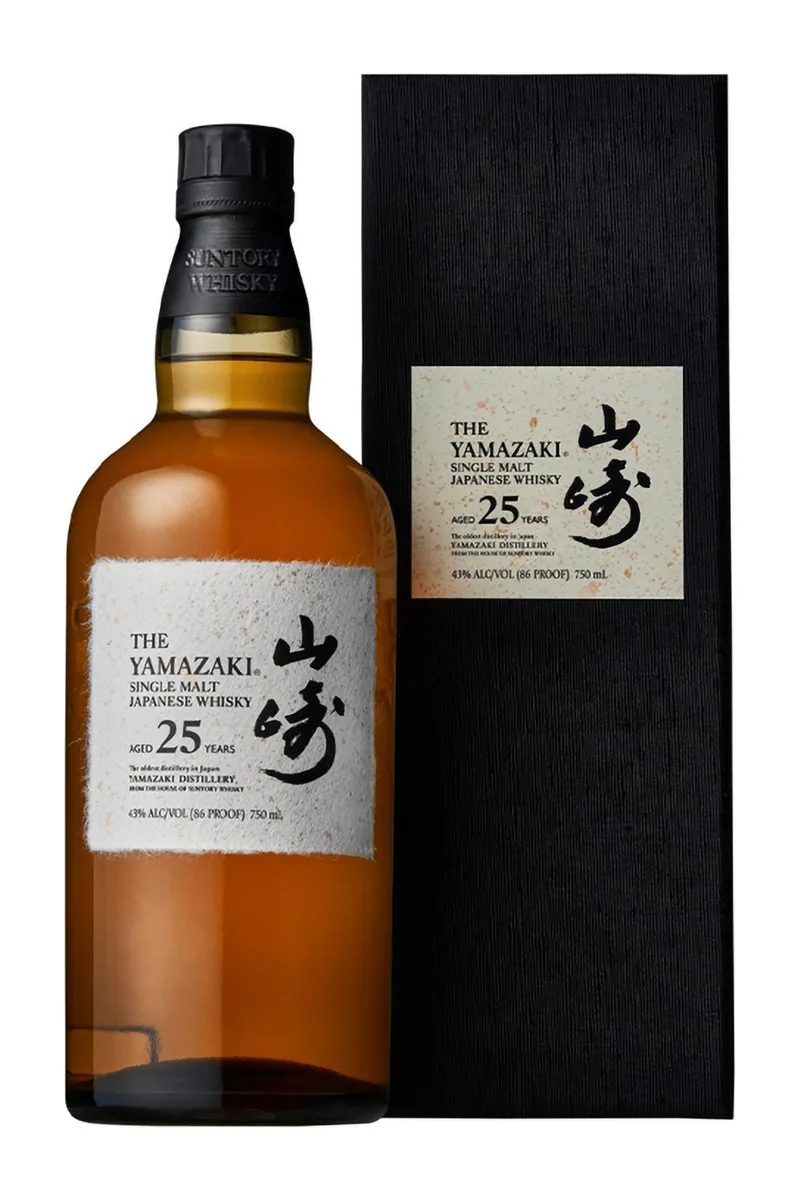
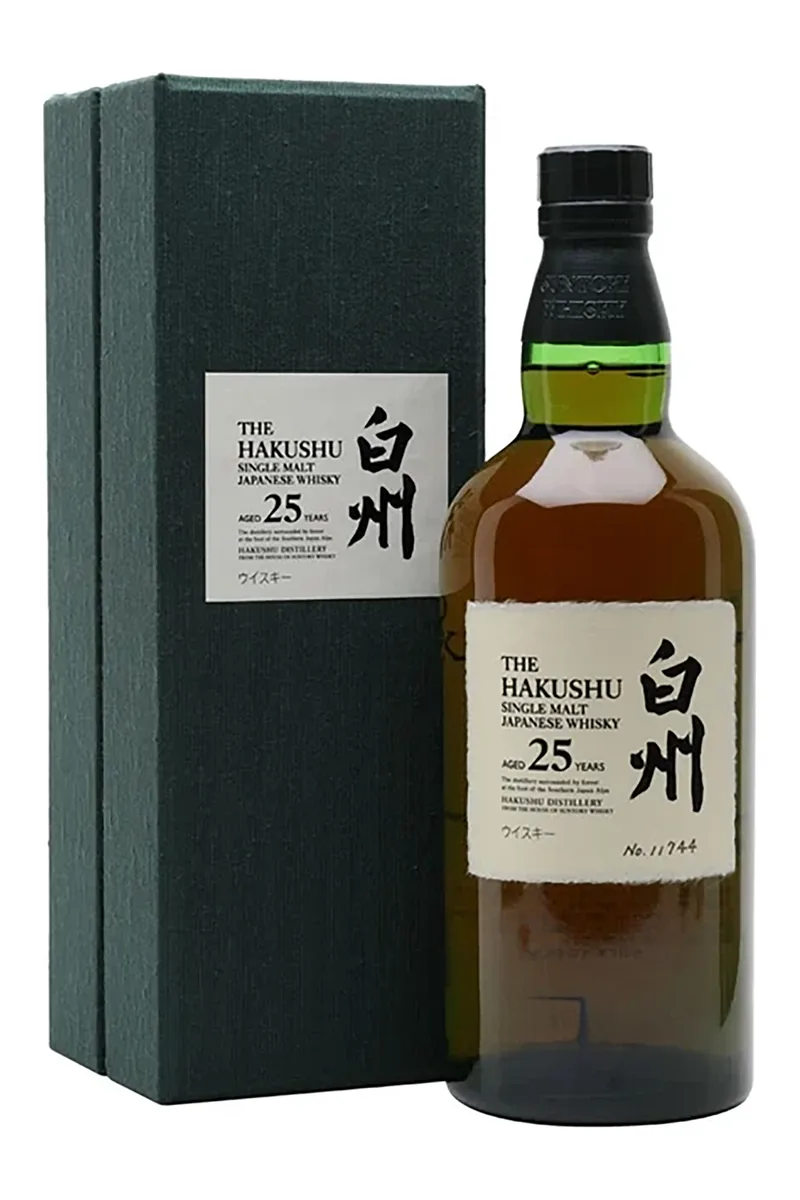
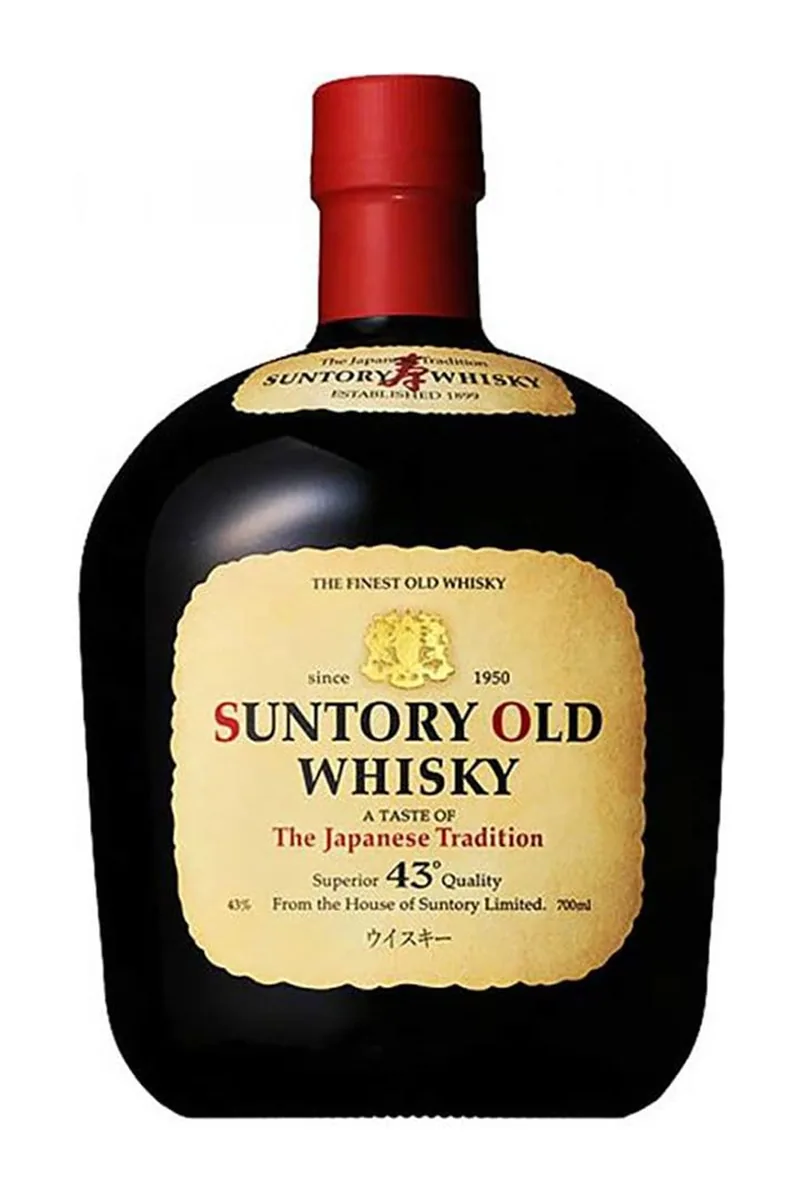
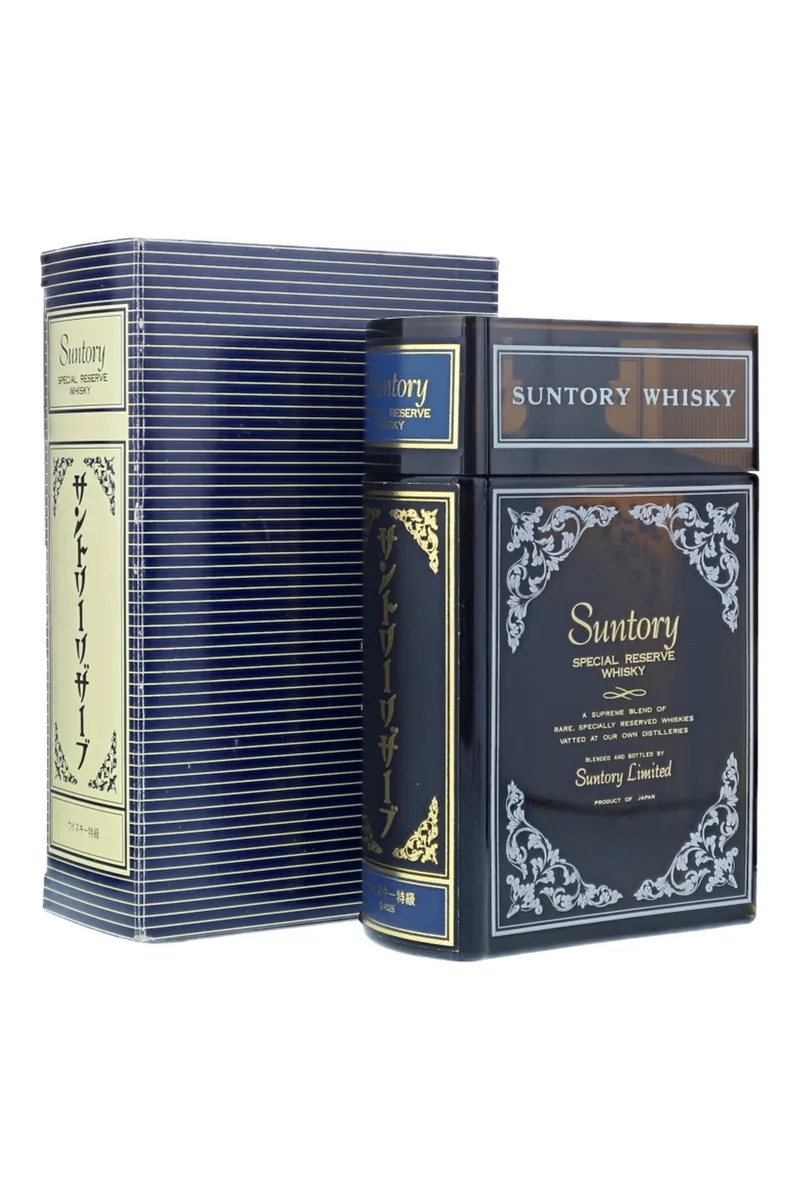
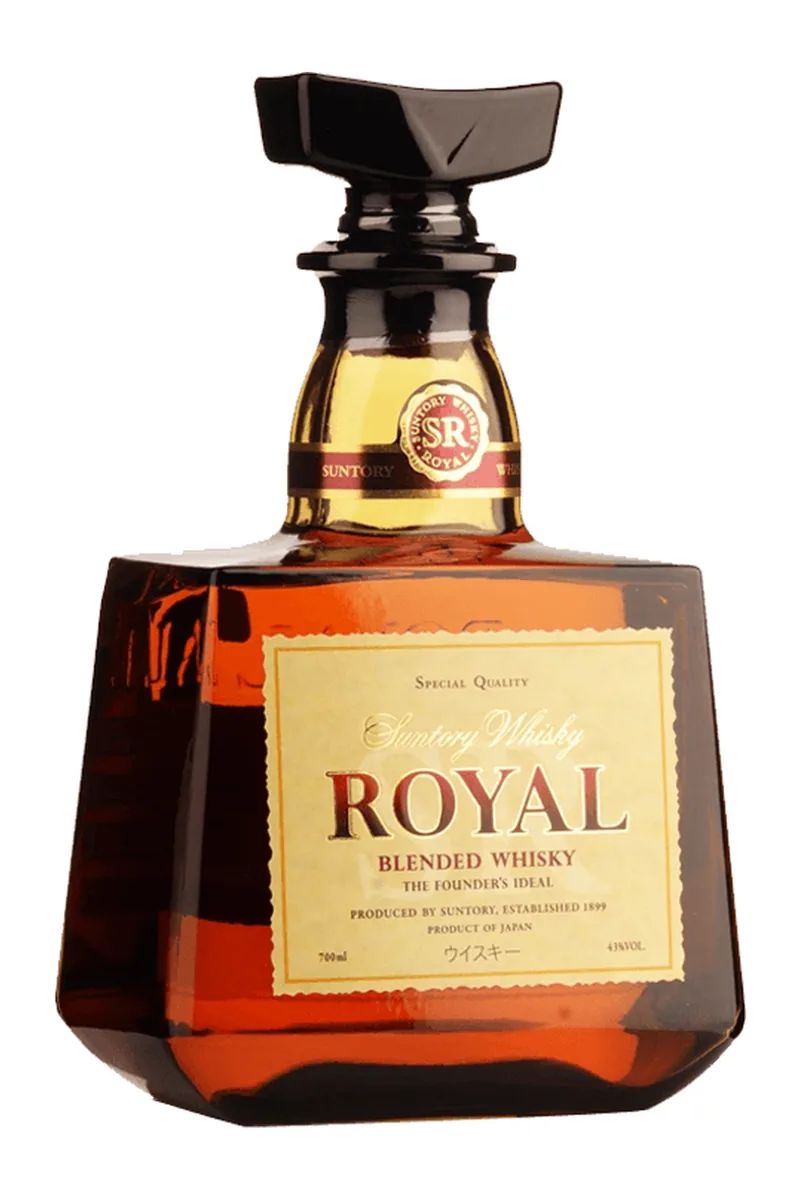
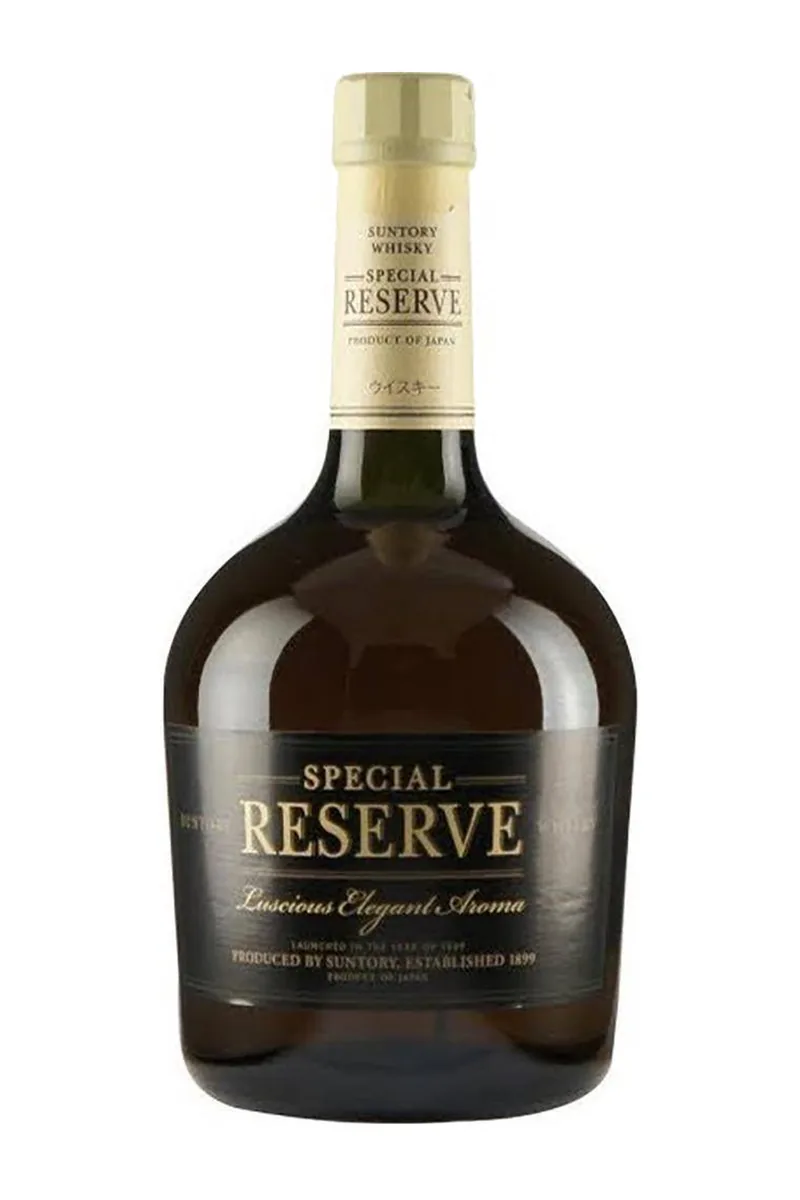
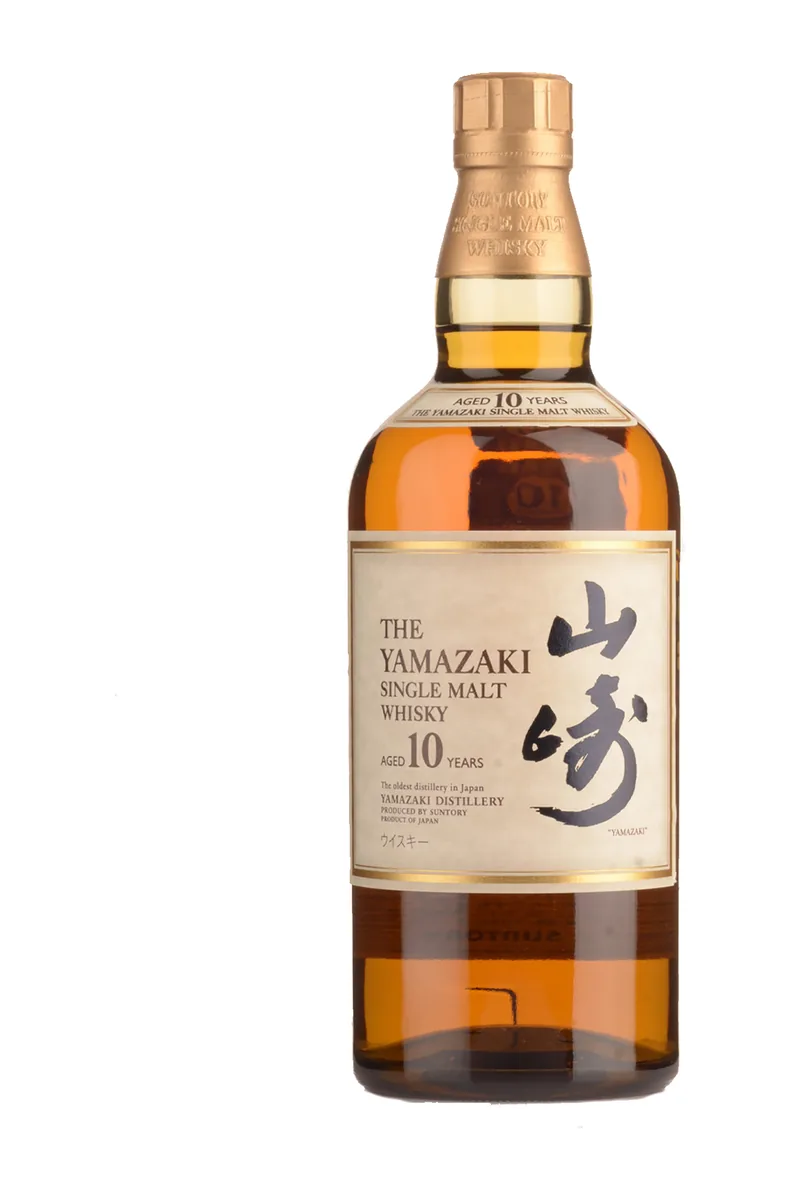
Prices come from each retailer's website and are checked daily.
Provenance
Meets the Japanese whisky standard
- Hakushu 12 Year Old
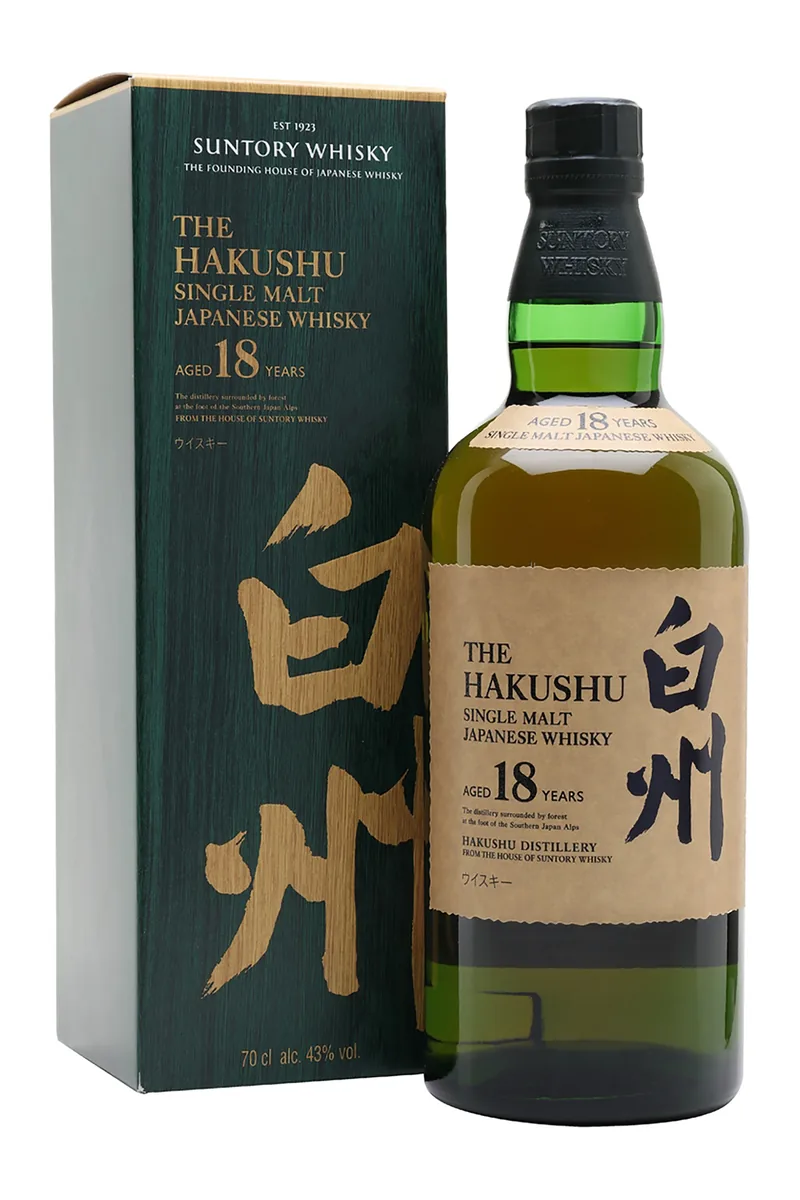
- Hakushu 18 Year Old
- Hakushu 25 Year Old
- Hakushu Distiller's Reserve
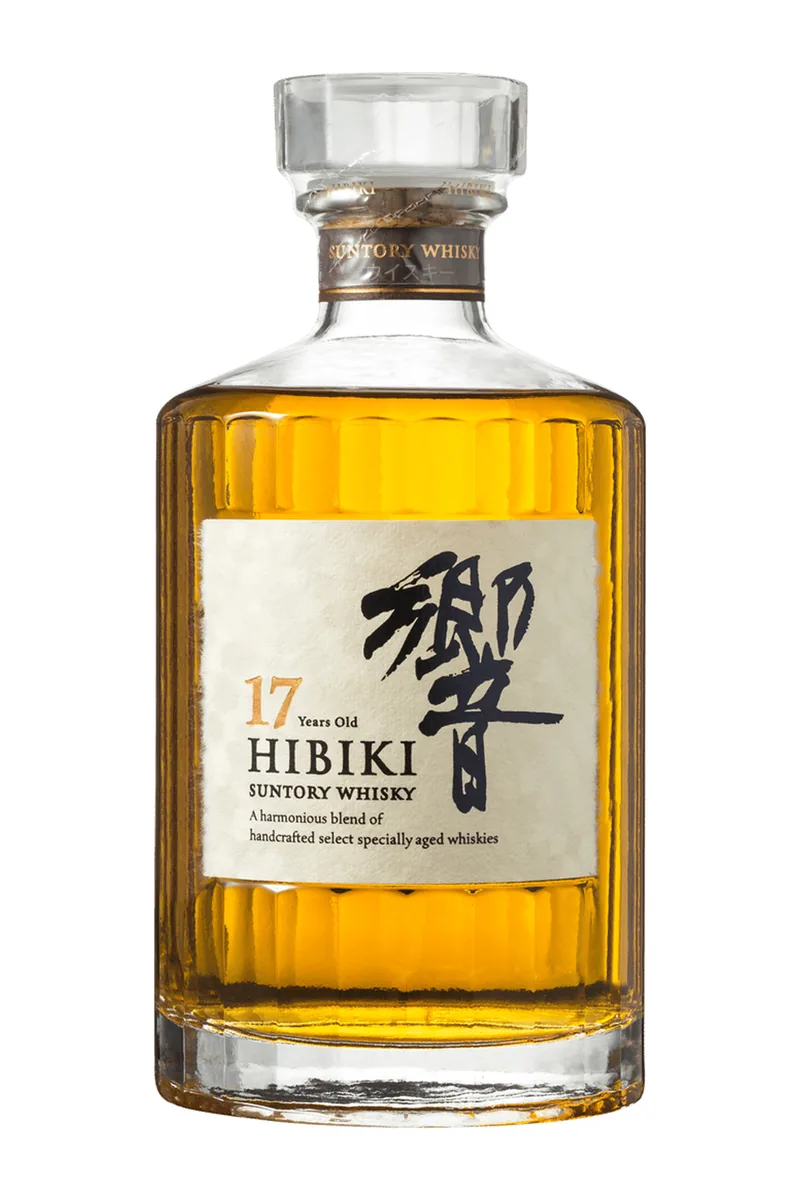
- Hibiki 17 Year Old
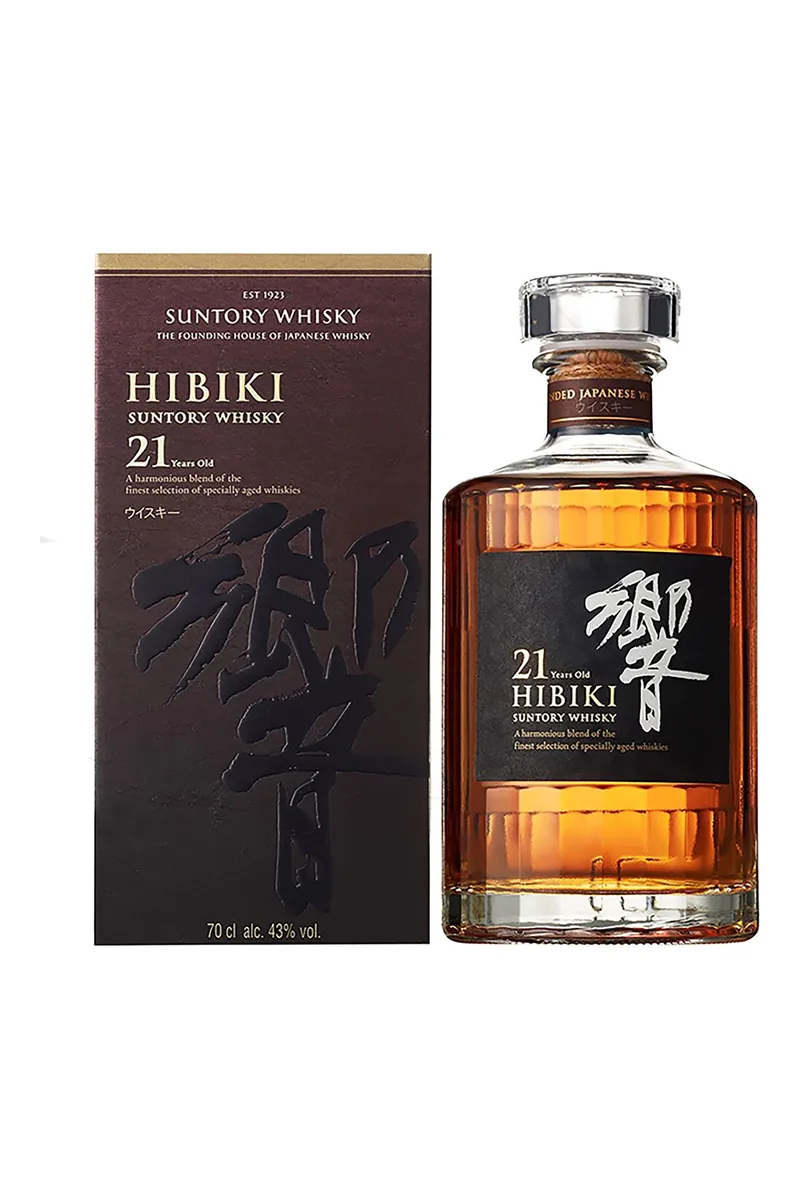
- Hibiki 21 Year Old
- Hibiki 30 Year Old
- Hibiki Blender's Choice
- Hibiki Japanese Harmony
- Hibiki Japanese Harmony Master's Select
- Suntory Kakubin
- Suntory Royal
- Suntory Special Reserve
- Suntory The Chita Single Grain
- Suntory Toki
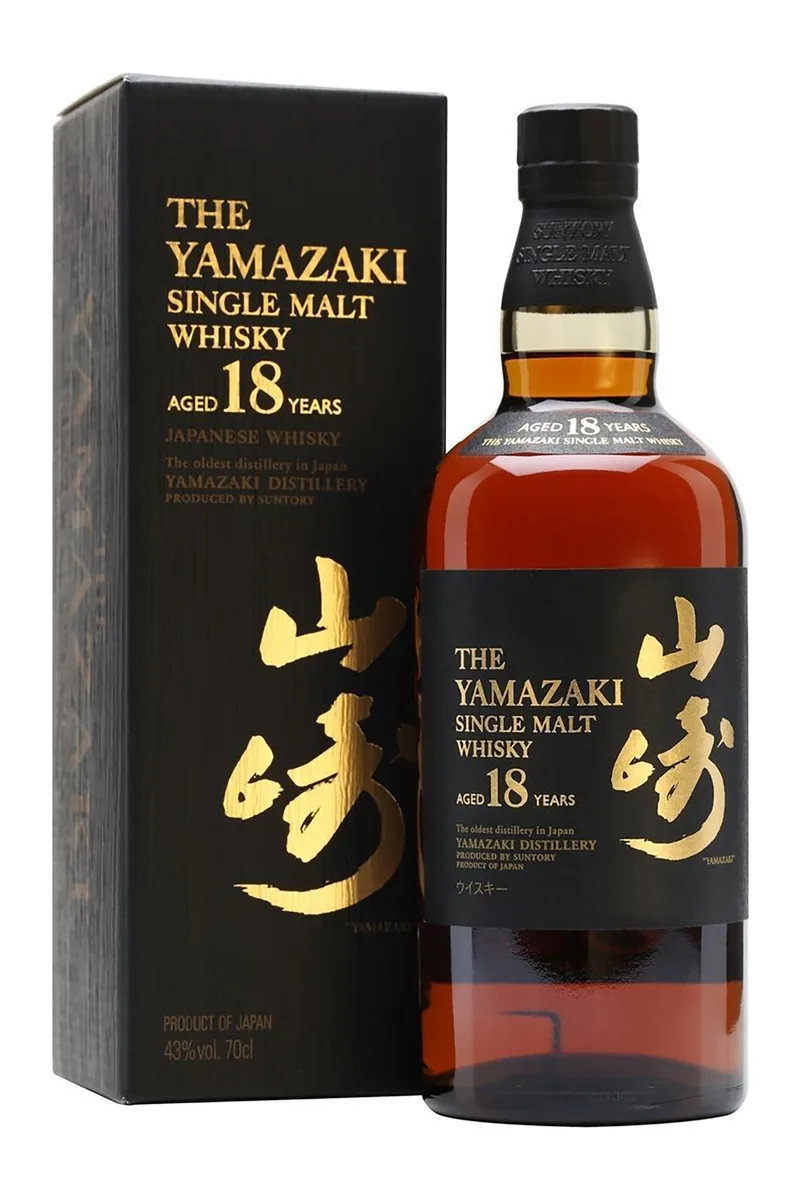
- Yamazaki 18 Year Old
- Yamazaki 25 Year Old
- Yamazaki Distiller's Reserve
Suntory has not stated a position on the other 16 bottles we track. That is not the same as failing the standard, so they are not listed as either.
About
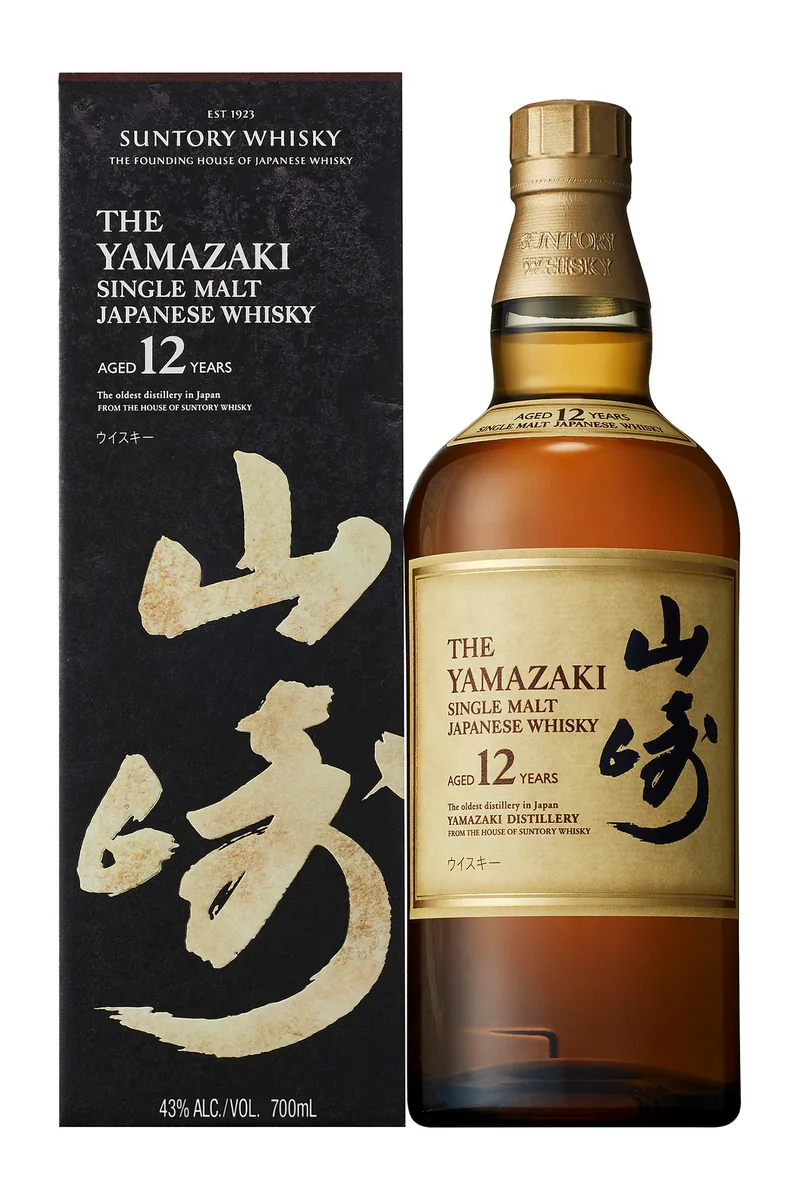
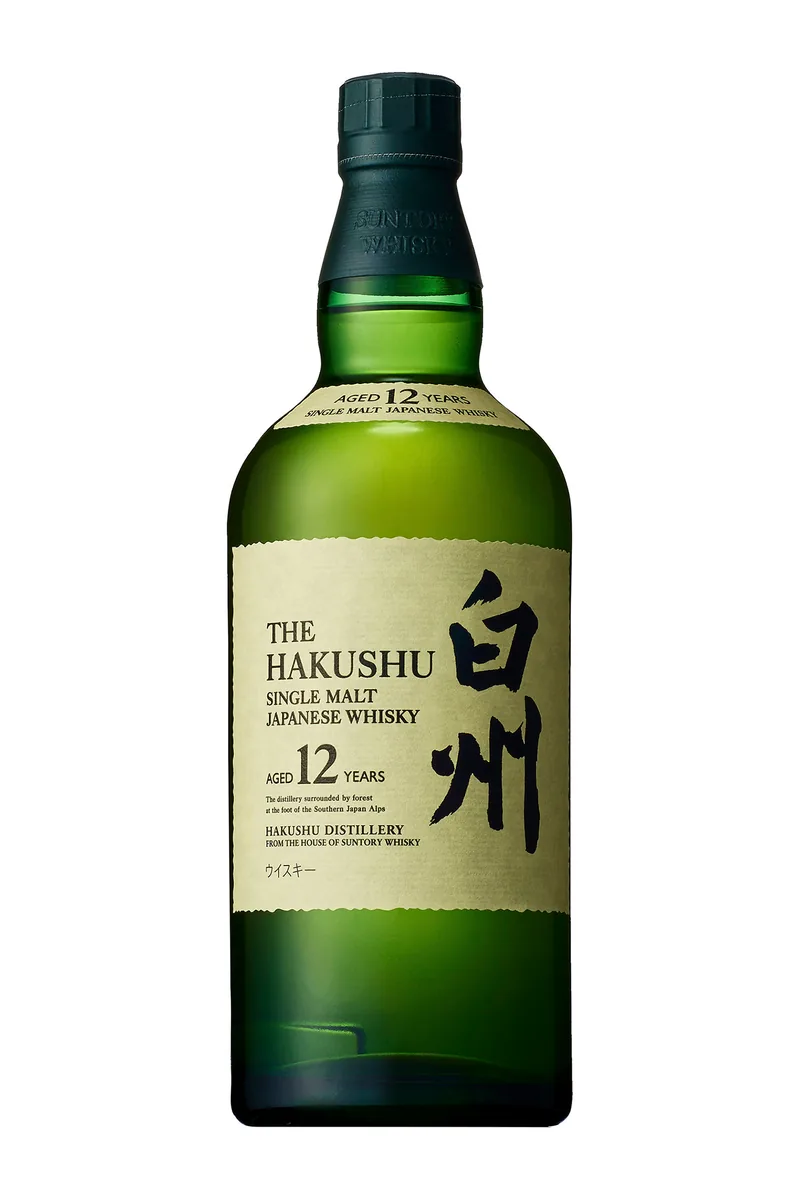
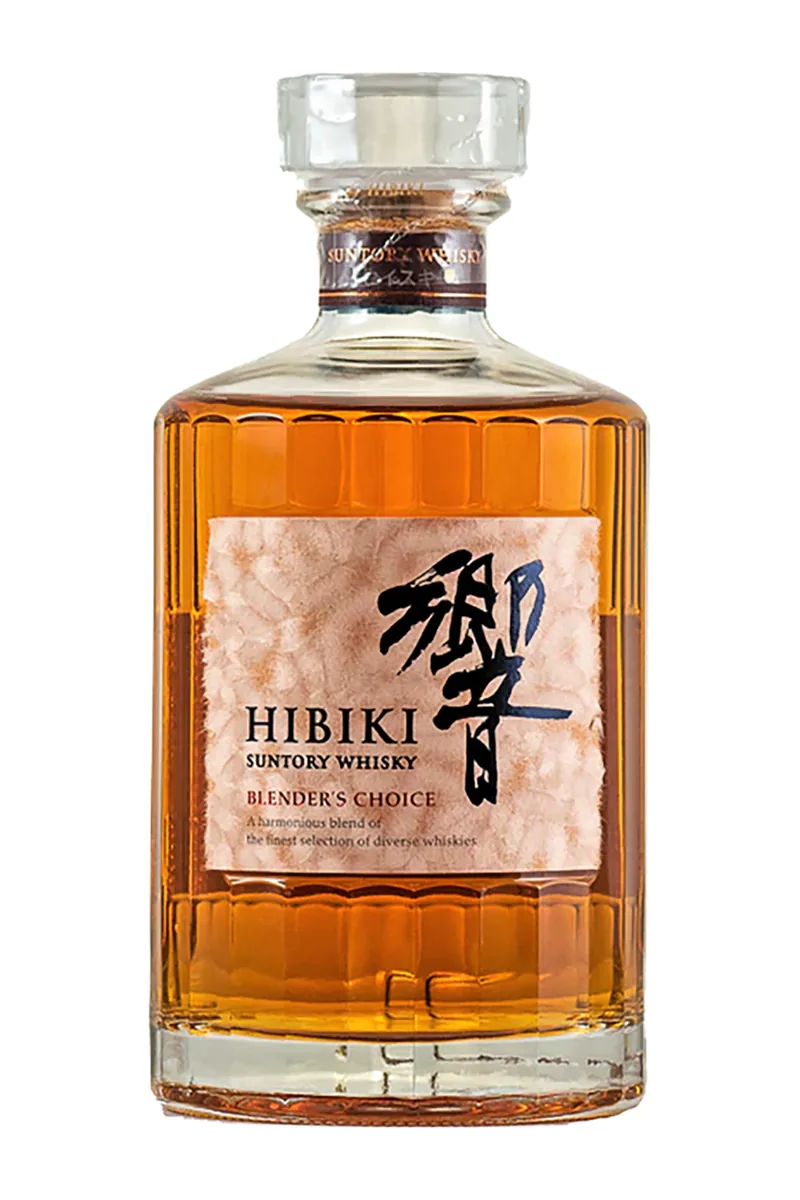
Suntory started the Japanese whisky industry and is still its biggest name. It owns three whisky distilleries: Yamazaki, between Kyoto and Osaka, which was the first commercial whisky distillery in Japan; Hakushu, in forest on the slopes of Mount Kaikoma in Yamanashi; and Chita, a grain distillery near Nagoya. Yamazaki and Hakushu make the single malts, and Hibiki, the blend, draws on all three.
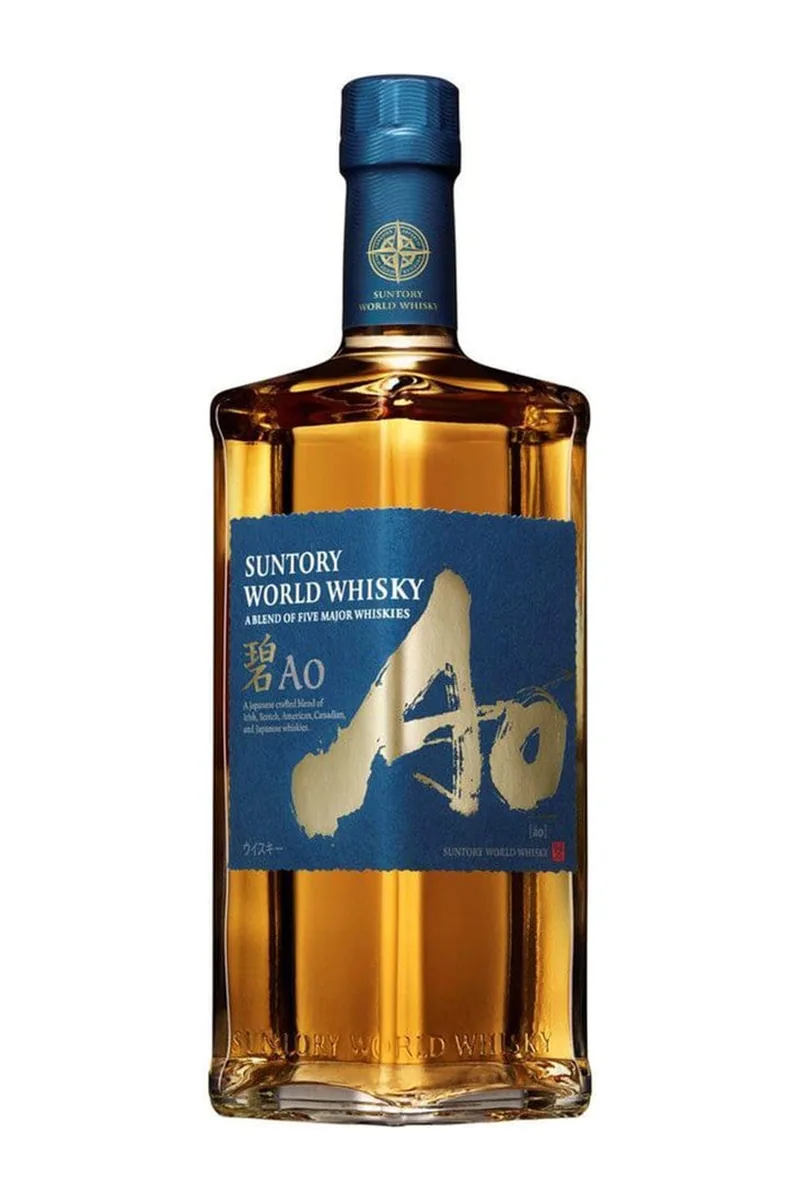
The company is now a global drinks group. It bought Beam, the American bourbon maker, in 2014, and its spirits business has traded as Suntory Global Spirits since 2024. That reach shows up in one bottle we track: World Whisky Ao, which Suntory launched in 2019 as a blend of whisky from its distilleries in five countries, Japan, Scotland, Ireland, the United States and Canada. Suntory says so on the label, and it is the clearest case in its range of a whisky that is not Japanese whisky and does not pretend to be.
For the rest of the range, Suntory does not publish bottle by bottle whether each one meets the Japanese whisky labelling standard.
History
Shinjiro Torii opened a shop in Osaka in 1899 selling imported wine. His sweet Akadama port wine, launched in 1907, made the business, which became Kotobukiya in 1921 and later Suntory.
Torii wanted to make whisky in Japan for Japanese drinkers, and in 1923 he built Yamazaki, outside Kyoto. The site was chosen for its water, which the tea master Sen no Rikyu had once used, and for its damp, misty climate. Masataka Taketsuru, back from training in Scotland, became its factory director in 1924, and the first whisky, Shirofuda or White Label, was released in 1929. Taketsuru left in 1934 to found what became Nikka.
Suntory added the Chita grain distillery in 1972 and Hakushu in 1973, with a second Hakushu site opened in 1981 that now does all the production there. Hibiki followed in 1989. International recognition came later: Yamazaki 18 won double gold at the San Francisco World Spirits Competition six years running from 2008, and a Yamazaki Sherry Cask was named World Whisky of the Year in the 2015 Whisky Bible. In 2022 Yamazaki began trial floor malting again, half a century after it had stopped.
How they make it
Yamazaki is built to make many kinds of spirit in one place. Its pot stills come in pairs of very different shapes and sizes, squat, tall, ball-shaped and bulging, and some are heated directly while others are heated indirectly, so the distillers can make anything from a light spirit to a heavy one without leaving the site. Fermentation happens in a mix of stainless steel and Oregon pine washbacks, and the wooden ones carry lactic bacteria that add depth to the wash.
Yamazaki is also where mizunara, Japanese oak, became a signature. It is a difficult wood to coop and slow to give, but after long ageing it brings the incense, sandalwood and coconut notes that people now look for in Japanese whisky.
Hakushu, in forest on a mountainside, also ferments in wooden washbacks and distils on stills of several sizes, and has released heavily peated limited editions. Chita supplies the grain whisky that carries the blends and is bottled on its own as The Chita.